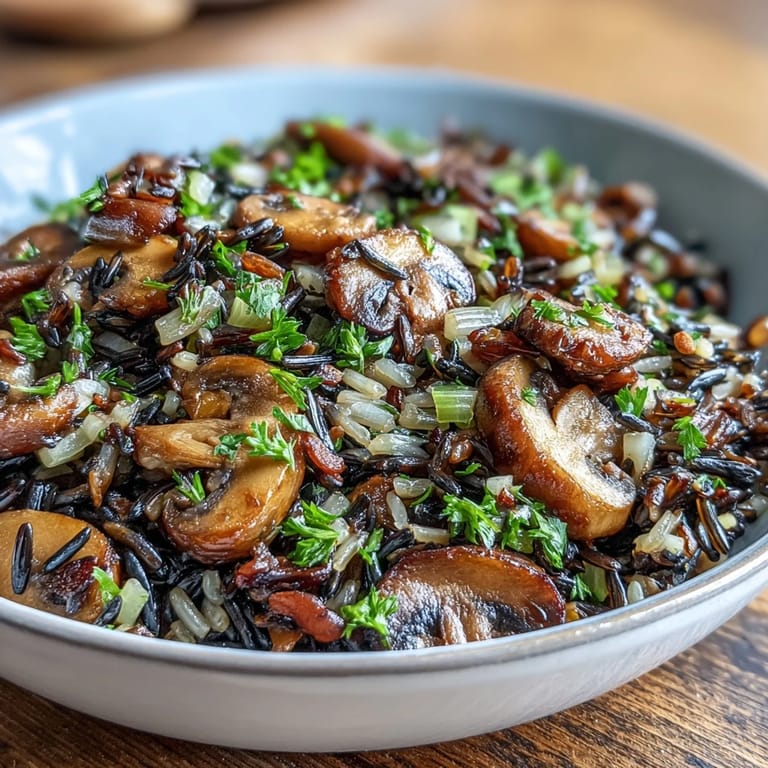
 Save
Save There's something about wild rice that stopped me from rushing through dinner prep one autumn evening. A friend had left a bag of it on my counter with a note saying it paired beautifully with mushrooms, and I was skeptical until I actually made this pilaf. The kitchen filled with this warm, almost woodsy aroma as everything came together, and I realized I'd been missing out on a dish that feels both simple and special at the same time.
I made this for a small dinner party on a rainy November night, and something unexpected happened. One of my guests, who usually picked at everything on her plate, actually went back for seconds and asked for the recipe before she left. That's when I knew this pilaf was the kind of dish that wins people over quietly, without any fanfare.
Ingredients
- Wild rice, 1 cup rinsed: This grain has personality and texture that regular white rice can't match, so don't skip the rinsing step or you'll end up with a gritty dish.
- Vegetable broth, 2 cups low-sodium and water, 1/2 cup: The combination keeps the rice tender without oversalting, and using low-sodium gives you control over the final flavor.
- Olive oil, 2 tablespoons: Good oil matters here since it's building the base flavor for your vegetables, so use something you'd actually taste on a salad.
- Yellow onion, 1 medium finely chopped: This creates the sweet foundation that everything else will sit on, so don't rush the chopping.
- Garlic, 2 cloves minced: Added later so it doesn't burn and turn bitter, which I learned the hard way years ago.
- Cremini or button mushrooms, 8 oz sliced: Cremini has more earthiness if you can find them, but either type will work beautifully when you let them cook until they're golden and dry.
- Celery stalk, 1 finely chopped: This adds a subtle brightness that sneaks in without announcing itself, which is exactly what you want.
- Carrot, 1 medium diced: The sweetness balances the earthiness of the mushrooms perfectly.
- Fresh thyme, 1 teaspoon leaves or dried, 1/2 teaspoon: Fresh is worth seeking out here because it gives you this delicate herbal note rather than something dried and dusty.
- Bay leaf, 1: Remove it before serving, but it's doing invisible work infusing the whole dish with subtle depth.
- Salt and black pepper to taste: Add these gradually and taste as you go, especially since your broth might already have sodium.
- Fresh parsley, 2 tablespoons chopped: Don't skip the garnish, because it adds a pop of color and freshness that makes the whole thing feel intentional.
- Toasted slivered almonds, 1/4 cup optional: These add a subtle crunch and nuttiness that takes things from good to memorable, if you're not allergic.
Tired of Takeout? 🥡
Get 10 meals you can make faster than delivery arrives. Seriously.
One email. No spam. Unsubscribe anytime.
Instructions
- Start the wild rice foundation:
- Rinse your wild rice under cool water first, then combine it with the broth and water in a medium saucepan and bring everything to a boil. Once you see the rolling boil, reduce the heat immediately, cover the pan, and let it simmer gently for 40 to 45 minutes until the grains are tender and have absorbed most of the liquid.
- Build your vegetable base:
- While the rice is doing its thing, warm the olive oil in a large skillet over medium heat and add the onion, celery, and carrot. Let these soften together for about 5 to 6 minutes, stirring occasionally so they color slightly but don't burn.
- Coax out the mushroom magic:
- Add your minced garlic and sliced mushrooms to the pan and cook for 6 to 8 minutes, stirring every so often. You're waiting for the mushrooms to turn golden and release their moisture into the pan, which is when you know they're ready.
- Season and finish the vegetables:
- Stir in the thyme, bay leaf, salt, and pepper and let everything sit together for just a minute so the flavors wake up. Fish out the bay leaf before you move forward.
- Bring it all together:
- Gently fold the cooked wild rice into the mushroom mixture, being careful not to crush the grains, and taste as you go so you can adjust the seasoning if it needs more salt or pepper. This is also when you can add a splash of white wine if you want something with a bit more sophistication.
- Serve with intention:
- Transfer everything to a serving dish and finish with a scattering of fresh parsley and those toasted almonds if you're using them. Serve it warm and watch people's faces light up.
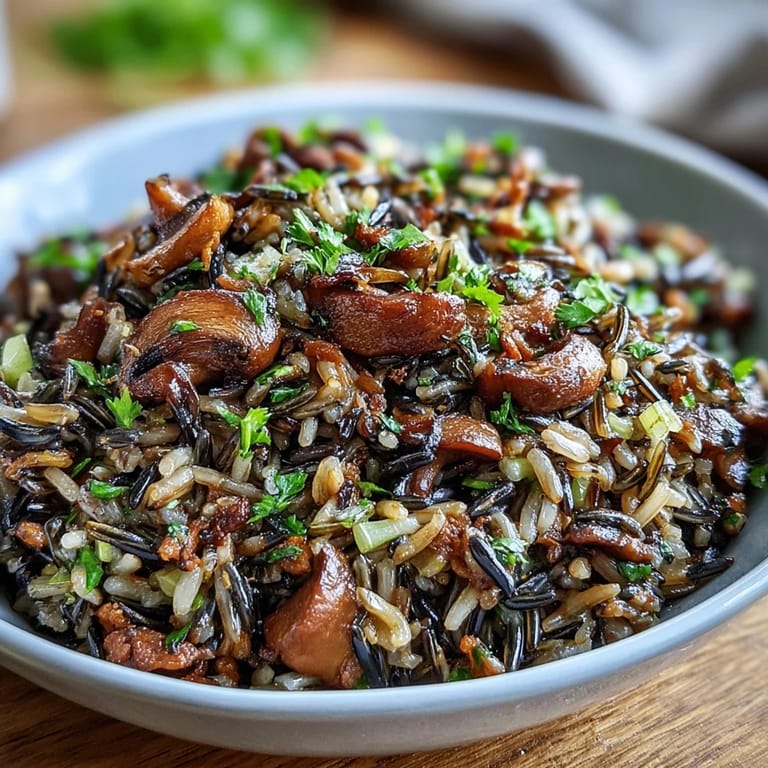 Save
Save There was a quiet moment when I served this to my family and everyone just started eating without talking, which doesn't happen often in my house. That silence felt like appreciation, and it made me realize that some dishes don't need to be complicated to feel meaningful.
Timing and Rhythm in the Kitchen
The beauty of this pilaf is that it's built on a rhythm rather than precision timing. You get the wild rice going first, and while it's simmering away, you work on the vegetables with zero pressure because everything finishes at almost exactly the same moment. This is the kind of dish that teaches you to trust the process instead of watching the clock obsessively.
Making It Your Own
Once you understand the basic structure, this pilaf becomes a blank canvas for whatever you have on hand or whatever you're craving. I've added a splash of red wine, thrown in some diced bell peppers, used portobello mushrooms when cremini weren't available, and even stirred in some dried cranberries for a touch of tartness that surprised everyone in the best way.
When to Serve This and Why
This pilaf shines alongside roasted chicken or a simple piece of fish, but it's also hearty enough to stand on its own as a vegetarian main course if you add the almonds and maybe some greens on the side. I've made it for weeknight dinners when I wanted something warming and thoughtful, and I've also brought it to potlucks where it disappears faster than I expect.
- Don't be shy about making extra because the leftovers taste even better the next day and reheat beautifully in a skillet with a splash of broth.
- If you're cooking for someone with nut allergies, skip the almonds and it's still absolutely delicious.
- Make sure your wild rice is rinsed properly or you'll end up wondering why everything tastes slightly off.
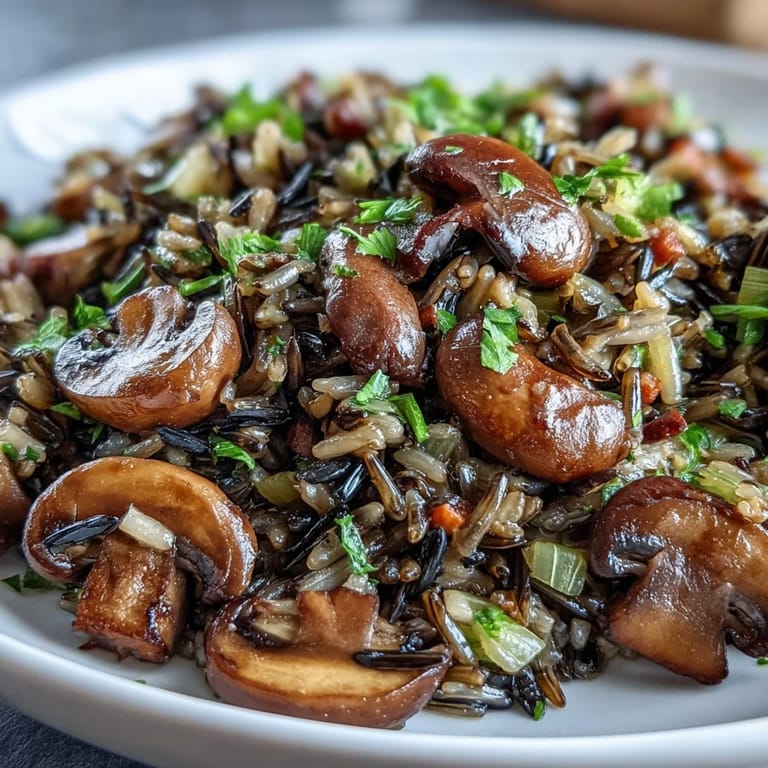 Save
Save This pilaf reminded me why I love cooking at all, which is that moment when simple ingredients transform into something that makes people feel cared for. That's the real magic here.
Recipe FAQs
- → What makes wild rice different from regular rice?
Wild rice is actually a semi-aquatic grass rather than true rice. It has a chewy, nutty texture and takes longer to cook than white or brown rice. The grains are darker and have a distinct earthy flavor that pairs beautifully with mushrooms.
- → Can I make this dish ahead of time?
Yes, this pilaf reheats well. Store in an airtight container in the refrigerator for up to 4 days. Reheat gently on the stovetop with a splash of broth or water to prevent drying. You can also freeze it for up to 3 months.
- → What type of mushrooms work best?
Cremini or button mushrooms are ideal for their earthy flavor and meaty texture. You can also use shiitake for more depth, or a mix of wild mushrooms like oyster and porcini for a more complex flavor profile.
- → Is wild rice gluten-free?
Yes, wild rice is naturally gluten-free. However, always verify your vegetable broth is certified gluten-free, as some brands may contain barley or wheat-based flavorings.
- → How do I know when wild rice is done cooking?
Wild rice is fully cooked when the grains have burst open revealing the white interior, and the texture is tender but still slightly chewy. This typically takes 40-45 minutes simmering. Taste test a few grains to ensure they're cooked through.
- → Can I substitute other grains?
You can replace half the wild rice with brown rice for a different texture, though the cooking time may vary slightly. For a quicker version, use a wild rice blend which includes shorter-cooking varieties.