 Save
Save My kitchen smelled like toasted earth the morning I first tried buckwheat groats, and I was immediately hooked by how nutty and substantial they tasted. A friend had left a bag on my counter with a cryptic note saying I needed to stop buying expensive granola, and she was right. What struck me most wasn't just the flavor, but how quickly those little triangular grains transformed from something totally unfamiliar into a bowl I actually craved. Now it's become my go-to when I want something that feels fancy but takes barely twenty minutes.
I served this to my partner on a Sunday morning when we were both too tired to think straight, and watching him go back for seconds while reading the newspaper in the kitchen light felt like a small victory. There's something about a warm bowl that doesn't require any decision-making on their part, just genuine satisfaction. That's when I realized this wasn't just breakfast, it was the kind of thing that quietly anchors a lazy morning.
Ingredients
- Buckwheat groats (raw, hulled): These little powerhouses are naturally gluten-free and have a deep, earthy flavor that develops as they cook, delivering far more personality than oats ever could.
- Water: The simple ratio of 2 to 1 water to groats is your baseline, though I've learned that buckwheat can be finicky about moisture, so always be ready to adjust.
- Salt: Just a quarter teaspoon, but don't skip it, as it brings out all that nutty complexity hiding in the groats.
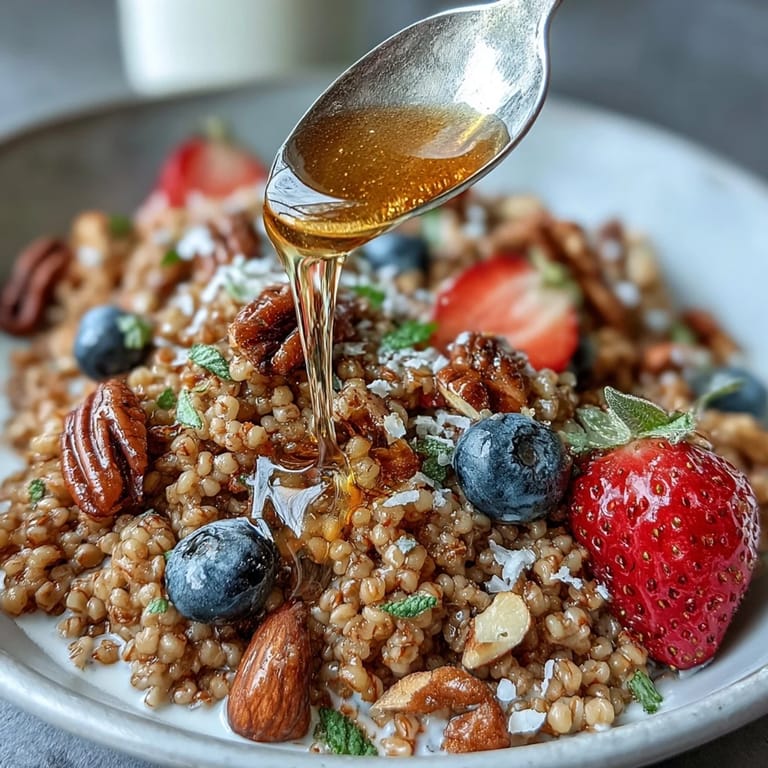
- Mixed nuts: Almonds, walnuts, and pecans add crunch and healthy fats that make the bowl feel complete; I chop mine roughly so they stay substantial rather than disappearing into dust.
- Fresh fruit: Berries, banana, apple, or pear all work beautifully, and I like to mix textures so you get soft and firm bites in every spoonful.
- Honey or maple syrup: Optional, but a drizzle adds a gentle sweetness that lets the buckwheat shine without overpowering it.
- Ground cinnamon: A half teaspoon gives warmth and subtle spice that feels like the dish was made with intention.
- Milk or plant-based milk: Pouring this over creates a creamy element that transforms the texture into something almost porridge-like if you want it.
Tired of Takeout? 🥡
Get 10 meals you can make faster than delivery arrives. Seriously.
One email. No spam. Unsubscribe anytime.
Instructions
- Rinse those groats properly:
- Hold them under cold running water and rub them gently between your fingers for about thirty seconds, watching as the water runs from cloudy to clear. This removes any dust and bitter coating that can make them taste flat.
- Build your base:
- Combine the rinsed buckwheat, water, and salt in a medium saucepan and bring it all to a boil over medium-high heat, listening for that first rolling bubble. You'll smell the nuttiness waking up immediately.
- Lower the heat and let it breathe:
- Once it boils, reduce to low, cover with a lid, and let it simmer for ten to twelve minutes until the groats are tender and the water has been absorbed. Peek once or twice if you're nervous, but mostly just let it do its thing quietly on the stove.
- Rest and fluff:
- Remove from heat, keep it covered for five minutes, then use a fork to gently separate the groats so they stay individual and light rather than clumping together. This step makes all the difference in texture.
- Divide and dress:
- Scoop the warm buckwheat into two bowls and scatter your nuts and fruit over the top with abandon, drizzle with honey if you're using it, and dust with cinnamon. The warmth of the groats will soften the fruit slightly while keeping it fresh.
- Pour and serve:
- Add a splash of milk if that sounds good to you, and eat it while it's still warm enough to steam slightly in the morning light.
 Save
Save A few weeks ago, my neighbor asked what I was making that smelled so good, and I handed her a bowl straight from the stove without thinking twice. She came back the next morning asking if I could write down the recipe, and I realized this simple breakfast had become the kind of thing people actually want to remember. That's when something shifted from just being convenient to being genuinely meaningful.
The Secret of Buckwheat's Nuttiness
The earthy, almost toasted flavor of buckwheat groats isn't something that develops during cooking, it's already there waiting to be released. Rinsing matters more than you'd think because that cloudy water you're washing away is actually what dulls that beautiful nuttiness. Once you understand that rinsing is revealer rather than just a cleaning step, you'll never skip it again.
Texture Matters More Than You Think
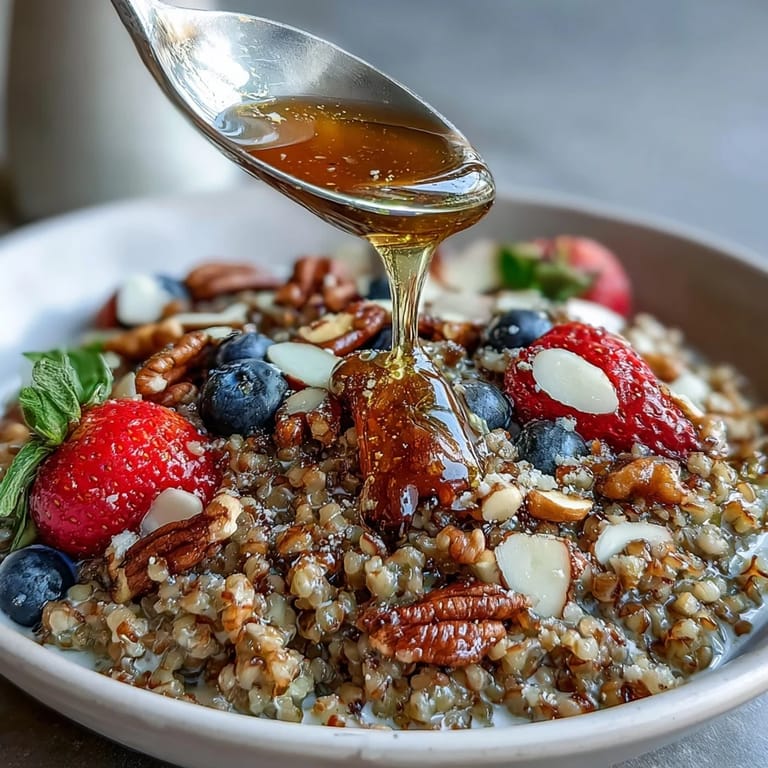
The magic in this bowl lives in the contrast between the tender groats, crunchy nuts, and soft fruit all existing in the same bite. If everything is soft, it feels more like baby food, and if everything is hard, you're just working too much while eating. I learned this the hard way by once toasting my nuts too darkly and making them bitter, which taught me that balance in a bowl is just as important as balance in any recipe.
Variations and Why You Should Experiment
Once you've made this a few times, you'll start seeing it as a canvas rather than a fixed formula, and that's when breakfast stops being routine. I've added chia seeds for extra nutrition, shredded coconut for tropical vibes, and even dark chocolate chips when I was feeling bold. Here's what keeps working no matter what I throw at it:
- Roasted buckwheat (kasha) creates a deeper, toastier flavor that changes the whole personality of the dish.
- Leftover cooked groats reheat beautifully with just a splash of milk and another minute on the stove, so meal prep is actually realistic.
- Seeds like sunflower or pumpkin work just as well as nuts if you need to avoid tree nuts, and they bring their own subtle charm to the bowl.
 Save
Save This bowl has become my quiet ritual, the thing I reach for when I want to start the day feeling grounded and taken care of. It's proof that simple ingredients, when chosen with intention, become the meals people actually remember.
Recipe FAQs
- → Do buckwheat groats need soaking before cooking?
No soaking required—simply rinse raw hulled buckwheat groats thoroughly under cold water before cooking. This removes any debris and ensures clean, fresh flavor. The groats cook directly in water, becoming tender in 10–12 minutes of simmering time.
- → Can I make this breakfast ahead for meal prep?
Absolutely. Cooked buckwheat stores well in the refrigerator for 3–4 days. Reheat individual portions with a splash of milk or water to restore creaminess. Add fresh toppings just before serving for best texture and flavor.
- → What's the difference between raw buckwheat and kasha?
Raw buckwheat groats are light greenish-tan with mild, earthy flavor. Kasha refers to roasted buckwheat, which develops a deeper brown color and toastier, more pronounced nutty taste. Both work in this preparation—choose based on your flavor preference.
- → How do I know when buckwheat groats are fully cooked?
Perfectly cooked groats are tender when bitten, with water completely absorbed. The texture should be fluffy but not mushy—individual grains remain distinct. If excess water remains, continue cooking uncovered for another minute or two.
- → What milk alternatives work best for serving?
Plant-based options like oat milk, almond milk, or coconut milk complement the nutty buckwheat flavor beautifully. Soy milk adds extra protein while cashew milk contributes creaminess. Choose unsweetened varieties to control sweetness levels with your preferred syrup.
- → Can I use frozen fruit instead of fresh?
Yes, frozen berries or fruit work well, especially when fresh isn't in season. Thaw slightly before topping, or add directly to warm buckwheat—the heat will gently thaw the fruit while creating a delicious, slightly juicy element in your bowl.