 Save
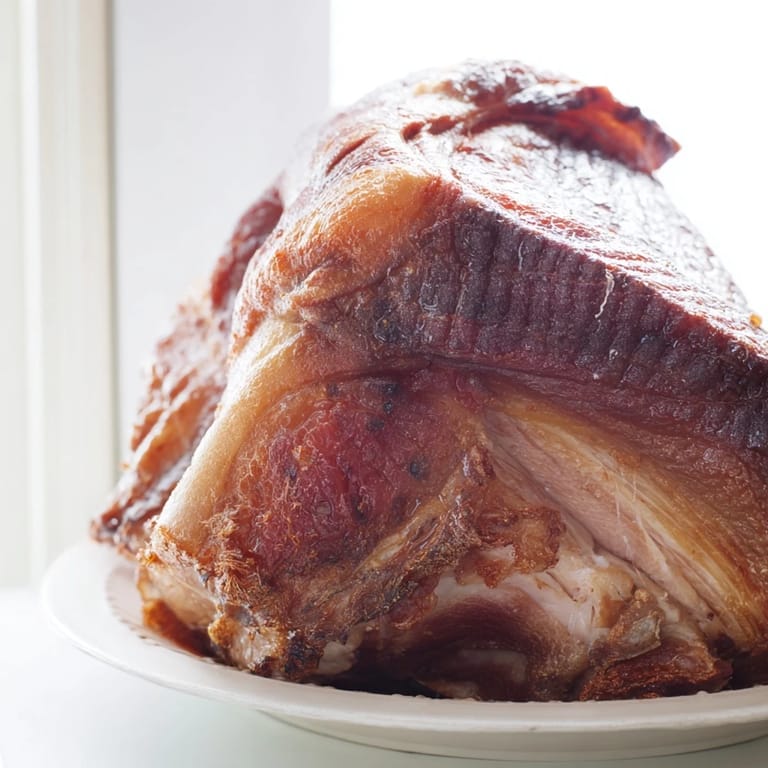
Save I picked up a bone-in pork shoulder on a whim one October afternoon, drawn by the marbling and the promise of something low and slow. The butcher mentioned scoring the skin, and I nodded like I knew exactly what I was doing. Back home, I realized I had no real plan, just a hunch that apple cider and pork belonged together. Four hours later, the house smelled like a farmhouse kitchen, and I was hooked.
The first time I made this for a crowd, I panicked halfway through because the pork looked dry. Then I basted it with the pan juices, and everything changed. The meat soaked up the drippings, the onions caramelized beneath, and by the time I pulled it out, everyone had gathered in the kitchen just from the smell. We ate it straight from the cutting board, too hungry to wait for plates.
Ingredients
- Bone-in pork shoulder: The bone adds flavor and helps the meat stay moist during the long roast. Score the skin in a crosshatch pattern so the fat renders and the glaze can seep in.
- Olive oil: This helps the salt and pepper adhere and encourages the skin to crisp up beautifully in the final blast of heat.
- Kosher salt & black pepper: Season generously. The pork is thick, and you want the seasoning to penetrate the outer layers as it roasts.
- Onion & garlic: These sit under the pork and perfume the meat from below while turning soft and sweet in the drippings.
- Fresh rosemary & thyme: Woody herbs hold up to long cooking and add an earthy backdrop that complements the fruity glaze.
- Apple cider: Use the unfiltered kind if you can find it. It reduces into a thick, glossy glaze with real apple character.
- Apple cider vinegar: Cuts through the richness and keeps the glaze from feeling heavy or one-note.
- Dijon mustard: Adds a subtle sharpness and helps the glaze cling to the pork instead of sliding off.
- Light brown sugar: Just enough sweetness to caramelize the surface without making it taste like candy.
- Unsalted butter: Whisked in at the end, it gives the glaze a silky finish and a hint of richness.
Tired of Takeout? 🥡
Get 10 meals you can make faster than delivery arrives. Seriously.
One email. No spam. Unsubscribe anytime.
Instructions
- Preheat and prep the pork:
- Set your oven to 300°F (150°C) and pat the pork shoulder completely dry with paper towels. Rub it all over with olive oil, then season liberally with salt and pepper, pressing the seasoning into the scored skin.
- Build the roasting bed:
- Scatter the onion quarters, smashed garlic, rosemary, and thyme across the bottom of a large roasting pan. Nestle the pork on top, skin side up, so it sits above the aromatics.
- Slow roast and baste:
- Roast uncovered for 4 hours, opening the oven every hour to baste the pork with the pooling juices. The meat will turn golden and the kitchen will smell incredible.
- Make the cider glaze:
- While the pork cooks, combine apple cider, cider vinegar, mustard, brown sugar, and black pepper in a saucepan over medium-high heat. Bring it to a boil, then lower the heat and simmer until reduced by half and thick enough to coat a spoon, about 20 to 25 minutes. Whisk in the butter until smooth and set aside.
- Finish with high heat:
- After 4 hours, crank the oven to 425°F (220°C). Brush the pork generously with cider glaze and roast for 20 to 30 minutes, brushing again halfway through, until the skin is deep golden and caramelized.
- Rest and serve:
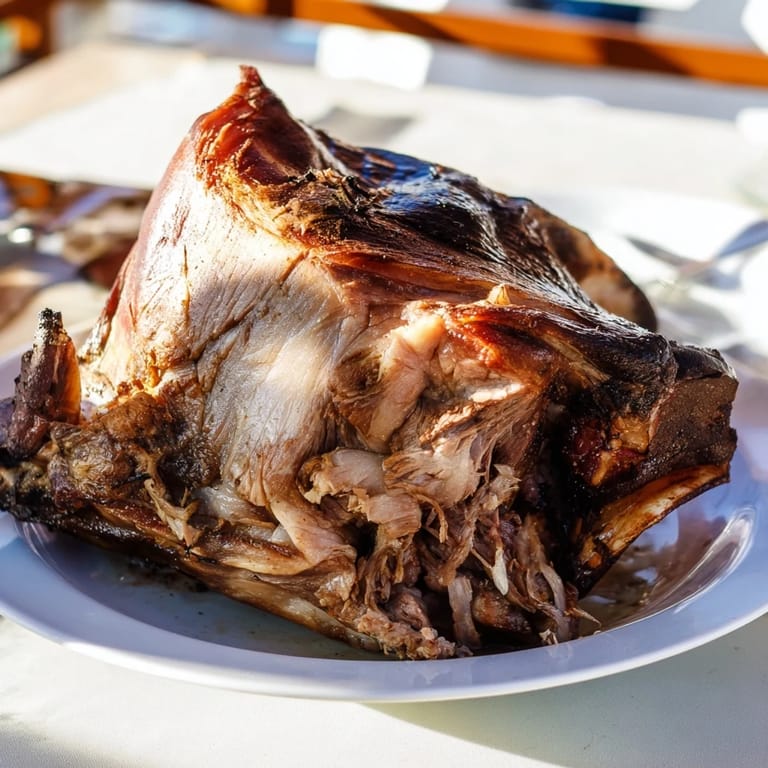
- Let the pork rest loosely covered with foil for 20 minutes, then slice or shred it. Drizzle with the remaining glaze and serve hot.
 Save
Save There was a Sunday when I served this with roasted carrots and mashed potatoes, and my friend asked if she could take the leftovers home. She texted me two days later saying she'd put the shredded pork on rice with pickled onions and called it dinner three nights in a row. That is when I knew this recipe had staying power beyond the initial meal.
Serving Suggestions
This pork pairs beautifully with anything that can soak up the glaze. I love it alongside roasted root vegetables, creamy mashed potatoes, or a crisp apple slaw dressed with cider vinegar. For a lighter touch, serve it over a bed of greens with toasted walnuts and crumbled blue cheese. Leftovers are magic in tacos with quick-pickled cabbage or piled onto crusty bread with sharp mustard.
Variations and Substitutions
If you want a boozier glaze with more complexity, swap the apple cider for hard cider and reduce it the same way. Maple syrup can replace the brown sugar for a deeper, earthier sweetness. If you cannot find fresh rosemary or thyme, dried works too, just use half the amount. For a spicier kick, add a pinch of cayenne or a splash of hot sauce to the glaze.
Storage and Reheating
Store any leftover pork in an airtight container in the fridge for up to four days. Reheat gently in a covered pan with a splash of water or extra glaze to keep it moist. You can also freeze shredded pork in portions for up to three months. Thaw overnight in the fridge and warm it slowly on the stovetop.
- If the skin loses its crispness after storing, reheat slices under the broiler for a minute or two.
- Shredded pork reheats better than thick slices, which can dry out.
- Always taste and adjust seasoning after reheating, especially if you froze it.
 Save
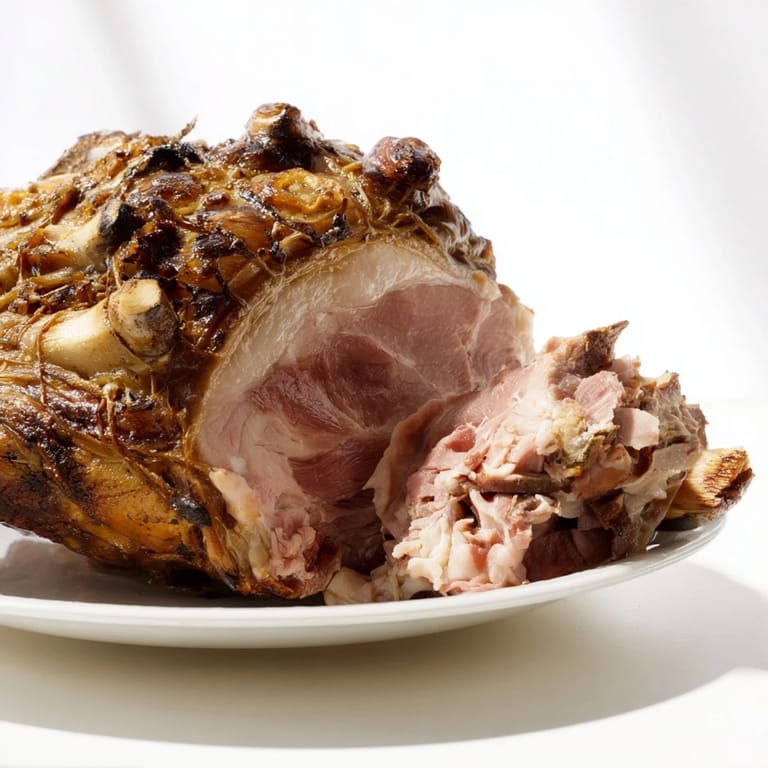
Save This pork shoulder taught me that patience and a good glaze can turn a simple cut into something worth gathering around. I hope it fills your kitchen with the same warmth it brought to mine.
Recipe FAQs
- → What is the best way to prepare the pork shoulder?
Pat the pork dry and rub with olive oil, salt, and pepper before placing it over aromatics in a roasting pan for slow cooking.
- → How do I make the cider glaze?
Simmer apple cider, cider vinegar, Dijon mustard, brown sugar, and pepper until reduced by half. Whisk in butter for a smooth finish.
- → Can I make the pork skin crispy?
Yes, finish the pork under the broiler for 2–3 minutes after glazing for an extra crispy skin.
- → How long should the pork rest before serving?
Rest the pork loosely covered with foil for about 20 minutes to let juices redistribute before slicing.
- → What sides pair well with this dish?
Serve alongside roasted root vegetables, mashed potatoes, or a crisp apple slaw to complement the flavors.