 Save
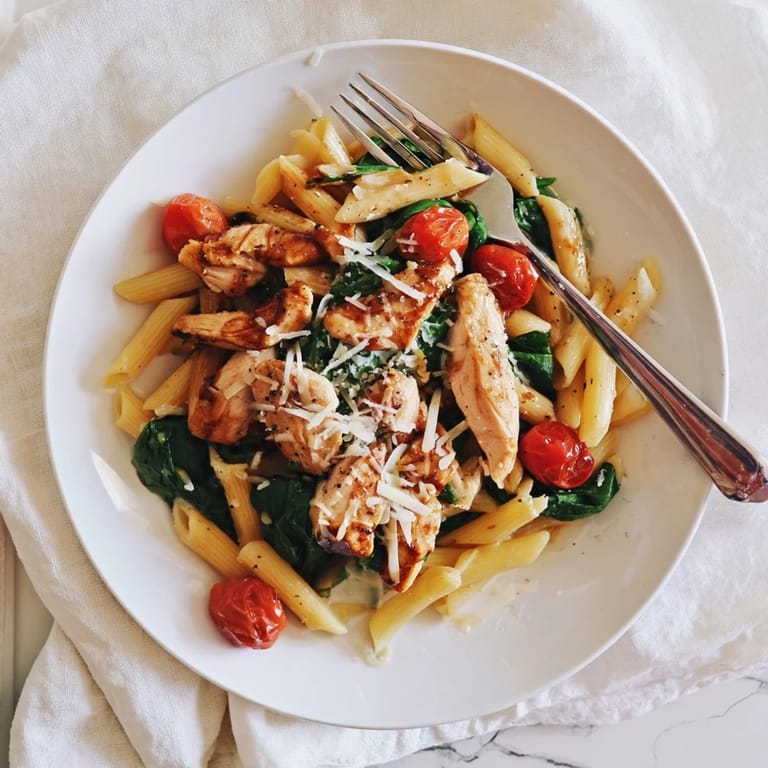
Save A Tuesday evening last spring, I stood at my stove with a bottle of balsamic vinegar in one hand and a whisk in the other, wondering if honey and mustard would really transform a simple chicken pasta into something special. The kitchen smelled like garlic and caramelized tomatoes, and I was hungry enough to take the risk. When that first glossy spoonful of glaze hit the pan, I knew I'd stumbled onto something worth repeating. My dinner guests that night scraped their plates clean and asked for the recipe before dessert. It's been my go-to ever since when I want something that tastes impressive but doesn't demand hours of my time.
I made this for my sister the week she moved into her first apartment, back when her kitchen consisted of two pots and a dull knife. We sat on her empty living room floor with bowls in our laps, and she told me it tasted like hope. I think she meant it tasted like home, or maybe just like something other than takeout. Either way, I've made it for her at least a dozen times since, and she still texts me photos whenever she makes it herself. It's become our unspoken tradition, a dish that marks new beginnings and ordinary Tuesdays alike.
Ingredients
- Boneless, skinless chicken breasts (500 g, sliced thin): Thin strips cook fast and soak up the glaze better than thick chunks, and they stay tender if you don't overcook them.
- Penne or spaghetti (350 g): Penne catches the sauce in its ridges, but spaghetti twirls beautifully with the glaze, so pick whichever shape makes you happiest.
- Garlic (3 cloves, minced): Fresh garlic blooms in hot oil and fills the kitchen with that irresistible smell that makes everyone wander in asking what's for dinner.
- Cherry tomatoes (200 g, halved): They burst into sweet, jammy pockets when sautéed, adding little surprises of flavor throughout the dish.
- Baby spinach (60 g): It wilts in seconds and adds color and a slight earthiness without overwhelming the tangy glaze.
- Olive oil (3 tbsp, divided): Good olive oil carries the garlic flavor and helps the glaze cling to the chicken and pasta.
- Balsamic vinegar (60 ml): This is the star, the ingredient that turns a simple skillet into something you'd order at a bistro.
- Honey (1 tbsp): It balances the sharp vinegar with a gentle sweetness that rounds out the glaze.
- Dijon mustard (1 tsp): A small spoonful adds a subtle tang and helps emulsify the glaze into a silky coat.
- Dried Italian herbs (1 tsp): A quick shake brings oregano, basil, and thyme into the mix without needing to chop fresh herbs.
- Salt and black pepper: Season each layer as you go, and the flavors build instead of tasting flat at the end.
- Parmesan cheese (30 g, grated): Finish with a generous sprinkle for a salty, nutty punch that ties everything together.
- Fresh basil leaves (optional): Torn basil on top adds a fresh, aromatic note that makes the dish feel bright and alive.
Tired of Takeout? 🥡
Get 10 meals you can make faster than delivery arrives. Seriously.
One email. No spam. Unsubscribe anytime.
Instructions
- Boil the pasta:
- Cook your pasta in well-salted water until it's al dente, with a slight bite in the center. Before draining, scoop out half a cup of that starchy pasta water, it's your secret weapon for making the sauce cling later.
- Sear the chicken:
- Heat a tablespoon of olive oil in a large skillet over medium-high heat, then add the chicken strips seasoned with salt, pepper, and Italian herbs. Let them sizzle undisturbed for a minute or two before stirring, so they get a golden crust, then cook until no pink remains, about 5 to 7 minutes total.
- Sauté the aromatics:
- Remove the chicken to a plate, add another tablespoon of oil to the same skillet, and toss in the minced garlic. Stir for just 30 seconds until it smells incredible, then add the halved cherry tomatoes and cook until they start to collapse and release their juices.
- Whisk the glaze:
- In a small bowl, combine the balsamic vinegar, honey, Dijon mustard, and the last tablespoon of olive oil. Whisk it together until it's smooth and glossy, this is the magic that transforms everything.
- Glaze the chicken:
- Return the chicken to the skillet with the tomatoes, pour the balsamic mixture over everything, and stir gently. Let it simmer for 2 to 3 minutes, watching as the sauce thickens and coats the chicken in a shiny, tangy glaze.
- Toss with pasta and spinach:
- Add the cooked pasta and fresh spinach to the skillet, tossing everything together with tongs or a wooden spoon. Splash in some of that reserved pasta water, a little at a time, until the sauce becomes silky and coats every strand or tube of pasta.
- Serve and garnish:
- Remove the skillet from the heat, divide the pasta among bowls, and top each serving with a generous sprinkle of grated Parmesan and torn basil leaves. Serve immediately while it's still steaming and fragrant.
 Save
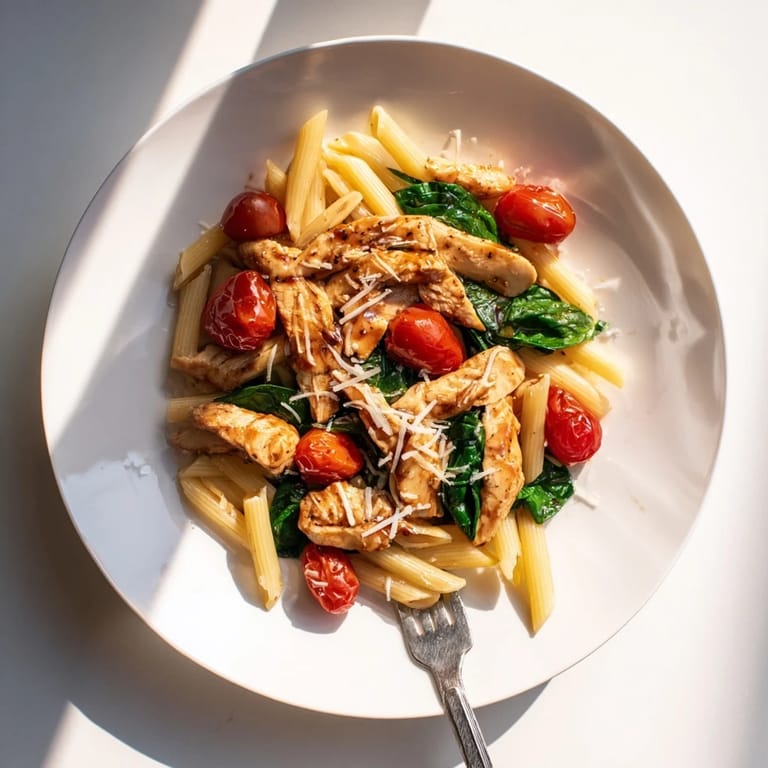
Save One evening, my neighbor knocked on my door just as I was plating this dish, drawn by the smell drifting through the hallway. I invited him in, handed him a fork, and watched his face light up after the first bite. We ended up sitting at my kitchen counter talking for an hour, two strangers turned friends over a bowl of pasta. That's the thing about this recipe, it has a way of turning a regular Wednesday into something memorable, something worth sharing.
Choosing Your Pasta Shape
Penne is my usual choice because its ridges and hollow center trap the glaze and bits of tomato, giving you bursts of flavor in every forkful. Spaghetti works beautifully too, especially if you love twirling your pasta and want long strands coated in that glossy balsamic sauce. I've also tried this with rigatoni and fusilli, both excellent choices when you want even more surface area for the glaze to cling to. Whatever shape you choose, just make sure it's cooked al dente, pasta that's too soft will turn mushy when you toss it in the hot skillet. Trust your instinct and pick the shape that makes you happiest, the glaze will make it work.
Making It Your Own
This recipe is forgiving and welcomes improvisation, which is part of why I make it so often. If you don't have spinach, arugula adds a peppery bite, and kale works if you sauté it a minute longer to soften the leaves. For a vegetarian version, swap the chicken for thick slices of portobello mushrooms or firm tofu, both soak up the balsamic glaze like a sponge. I've also added roasted red peppers from a jar when I'm feeling lazy, and they bring a sweet, smoky depth that pairs perfectly with the tangy sauce. You can even toss in a handful of capers or olives for a briny kick if that's your thing.
Storing and Reheating
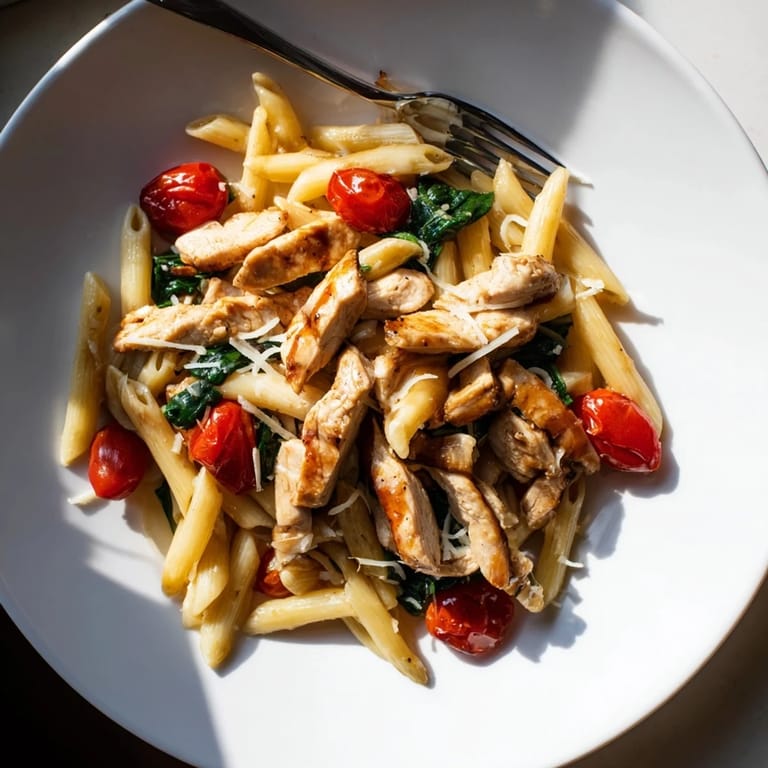
Leftovers keep well in an airtight container in the fridge for up to three days, though the pasta will absorb some of the sauce as it sits. When you reheat it, add a splash of water or chicken broth to the pan and warm it gently over medium-low heat, stirring occasionally until it's heated through and the sauce loosens up again. I don't recommend freezing this dish, the texture of the pasta and spinach suffer too much in the thaw. If you know you'll have leftovers, consider cooking only half the pasta and storing the glazed chicken and vegetables separately, then toss with freshly cooked pasta when you're ready to eat again.
- Reheat gently with a splash of liquid to bring the sauce back to life.
- Store the components separately if you're meal prepping for the week.
- Use leftovers within three days for the best flavor and texture.
 Save
Save This dish has earned a permanent spot in my weeknight rotation, and I hope it finds a place in yours too. It's proof that a handful of simple ingredients and a little bit of care can turn an ordinary evening into something worth savoring.
Recipe FAQs
- → Can I use chicken thighs instead of chicken breasts?
Yes, chicken thighs work wonderfully and provide extra moisture. Increase cooking time to 8-10 minutes to ensure they're cooked through. Thighs have more flavor and stay tender even with longer cooking.
- → How do I prevent the balsamic glaze from becoming too bitter?
The honey in the glaze balances the balsamic's acidity. Avoid boiling the glaze too long—simmer for just 2-3 minutes. If using aged balsamic, reduce the quantity slightly as it's more concentrated and intense.
- → Can this dish be made vegetarian?
Absolutely. Substitute the chicken with sautéed mushrooms, tofu, or chickpeas. Use vegetable broth if you'd like to add extra liquid, and follow the same cooking method for the glaze.
- → What's the best way to store leftovers?
Store in an airtight container in the refrigerator for up to 3 days. Reheat gently in a skillet over low heat, adding a splash of pasta water to restore the sauce's silky texture.
- → Can I make this gluten-free or dairy-free?
Yes, simply use gluten-free pasta and dairy-free Parmesan alternative. Always check product labels for hidden allergens, especially in the Dijon mustard and pasta varieties.
- → What wine pairs best with this dish?
Light Pinot Noir or crisp Sauvignon Blanc complement the balsamic glaze beautifully. The wine's acidity cuts through the richness of the sauce and enhances the dish's flavors.