 Save
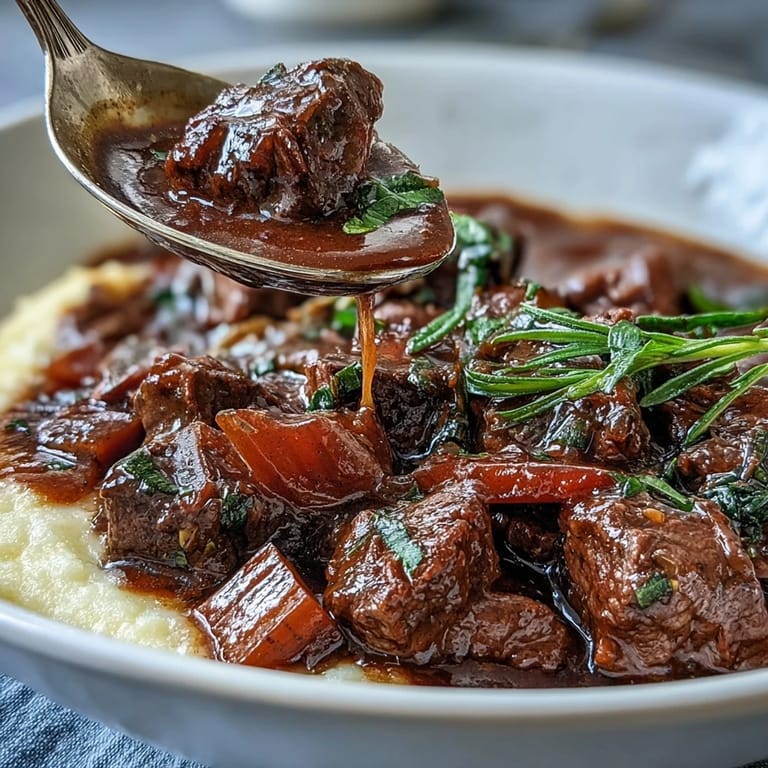
Save The smell of browning venison always brings me straight back to a November evening when the windows fogged up from the heat of the stove. I had a bottle of homemade sloe gin sitting in the cupboard for months, and I decided on a whim to splash some into the pot. The kitchen filled with this deep, berry-sweet aroma that made everyone wander in asking what was cooking. That stew turned into one of those meals where no one left the table for an hour, and I've been making it ever since.
I made this for friends who claimed they didn't like game meat, and by the second helping they were asking for the recipe. The key was letting it cook low and slow until the venison fell apart at the nudge of a spoon. We ate it by candlelight with the last bottle of red from the back of the rack, and it felt like the kind of dinner you remember all winter long.
Ingredients
- Venison shoulder or stewing venison: Go for well-marbled cuts, they stay tender and soak up all the flavors during the long braise.
- Olive oil: Use a good glug for browning, it helps build that caramelized base the stew needs.
- Onion, carrots, celery: The holy trinity of stews, they add sweetness and body without fuss.
- Garlic cloves: Minced fine so they melt into the sauce and add gentle warmth.
- Tomato paste: A spoonful deepens the color and gives the sauce a richer backbone.
- Sloe gin: The star here, it brings berry brightness and a subtle botanical edge.
- Beef or game stock: Choose a good one, it makes all the difference when the stew reduces.
- Redcurrant jelly: A small spoon balances the richness and adds a gentle gloss to the sauce.
- Bay leaves and thyme: Fresh herbs if you can, they infuse the braise with earthy comfort.
- Juniper berries: Lightly crush them to release their piney, floral notes that pair beautifully with game.
- Polenta: Quick-cooking saves time, but traditional polenta has a creamier texture if you have patience.
- Whole milk and water: The combination keeps the polenta silky without being too heavy.
- Butter and Parmesan: Stir these in at the end for that glossy, cheesy finish that makes polenta irresistible.
Tired of Takeout? 🥡
Get 10 meals you can make faster than delivery arrives. Seriously.
One email. No spam. Unsubscribe anytime.
Instructions
- Brown the venison:
- Heat olive oil in a heavy casserole over medium-high heat and sear the venison in batches until deeply golden. Don't crowd the pan or it will steam instead of caramelize.
- Soften the vegetables:
- Add onion, carrots, and celery to the same pan and cook for 5 to 7 minutes until they start to soften and smell sweet. Stir in garlic and tomato paste and cook for another minute.
- Deglaze with sloe gin:
- Return the venison to the pot, pour in the sloe gin, and let it bubble for a couple of minutes. This burns off the alcohol and concentrates the berry flavor.
- Build the braise:
- Add stock, redcurrant jelly, bay leaves, thyme, juniper berries, salt, and pepper. Bring to a gentle simmer, cover, and cook on low heat for 2 hours, stirring now and then.
- Make the polenta:
- While the stew simmers, heat milk and water in a saucepan until just steaming. Whisk in polenta gradually and stir constantly over low heat for 5 to 10 minutes until thick and creamy.
- Finish and serve:
- Stir butter and Parmesan into the polenta and season with salt. Remove bay leaves and thyme from the stew, then ladle it over the polenta while both are hot.
 Save
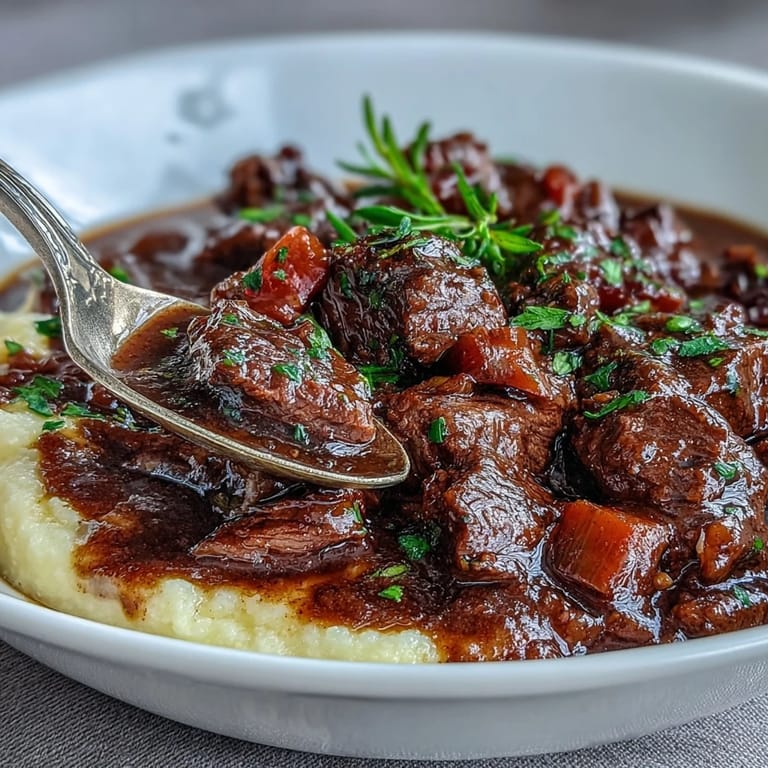
Save The first time I served this, someone scraped their bowl clean and then used a piece of bread to get the last bits of sauce. It made me realize that some dishes don't need to be fancy, they just need to taste like someone put care into them. This stew does that every time.
Making It Your Own
If you can't find sloe gin, a good port or even a berry liqueur works beautifully in its place. I've also added a splash of red wine alongside the sloe gin when I want something even richer. Fresh parsley or a few extra thyme leaves scattered on top before serving makes it look restaurant-worthy without any effort.
What to Serve Alongside
This stew is hearty enough to stand alone, but a simple green salad with a sharp vinaigrette cuts through the richness nicely. I've also served it with roasted root vegetables when I want the plate to feel more abundant. A robust red wine like Shiraz or Cabernet Sauvignon is perfect for sipping while you stir.
Storage and Reheating
The stew tastes even better the next day once the flavors have had time to settle into each other. Store it in an airtight container in the fridge for up to three days, and reheat gently on the stove with a splash of stock if it has thickened too much. Polenta is best made fresh, but you can reheat leftovers with a little extra milk stirred in to loosen it up.
- Freeze the stew (without polenta) for up to three months in a sealed container.
- Thaw overnight in the fridge before reheating slowly on the stove.
- Make a double batch of stew and freeze half for a future dinner that feels effortless.
 Save
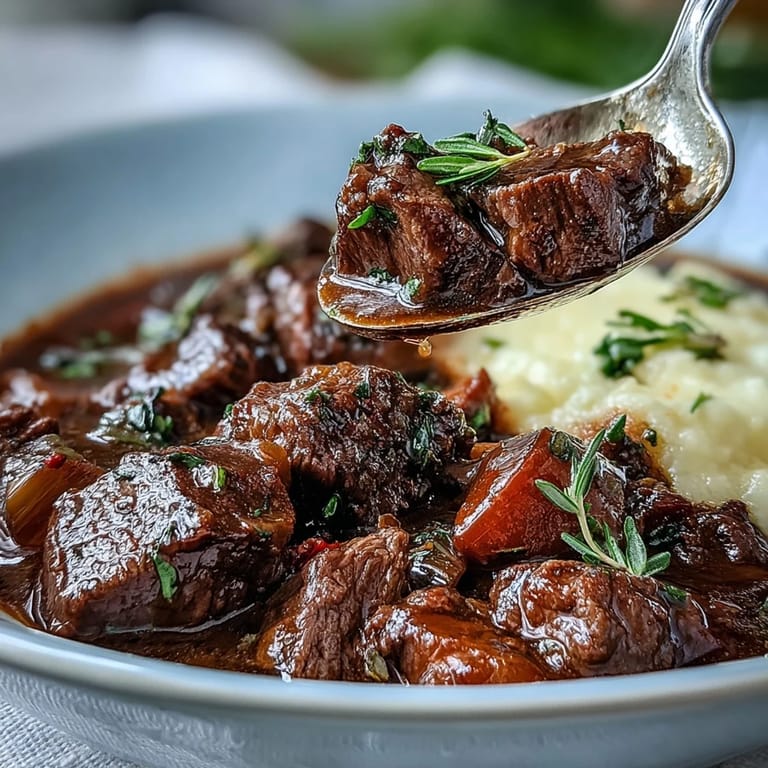
Save This stew has become my go-to when the weather turns cold and I want something that feels both rustic and special. I hope it fills your kitchen with the same warmth it brings to mine.
Recipe FAQs
- → Can I substitute the venison with another meat?
Yes, beef chuck or lamb shoulder work well as alternatives. Use the same cooking time and method for tender results.
- → What can I use instead of sloe gin?
Port, red wine, or berry liqueurs like cassis make excellent substitutes. Each will bring a slightly different depth of flavor to the stew.
- → Can I make this ahead of time?
Absolutely. The stew actually improves when made a day ahead, allowing the flavors to develop. Reheat gently and prepare fresh polenta when serving.
- → How do I prevent the polenta from becoming lumpy?
Whisk constantly while adding the polenta to simmering liquid in a steady stream. Keep stirring regularly during cooking to maintain a smooth, creamy texture.
- → What wine pairs best with this dish?
Rich red wines like Shiraz, Cabernet Sauvignon, or a full-bodied Côtes du Rhône complement the hearty venison and sweet sloe gin beautifully.
- → Can I cook this in a slow cooker?
Yes, after browning the meat and vegetables, transfer everything to a slow cooker and cook on low for 6-8 hours until the venison is tender.