 Save
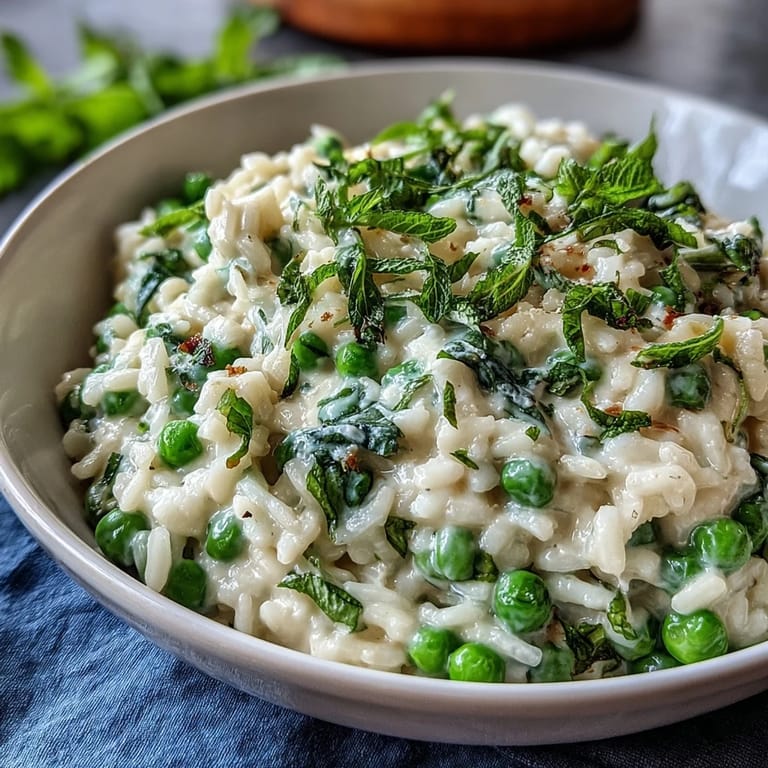
Save There's something about the first warm evening of spring that makes you want to cook something that tastes like the season itself. I was standing in my kitchen on an April evening, the window cracked open just enough to hear the neighbors' wind chimes, when I realized I'd bought way too many fresh peas at the market. Rather than letting them sit in the fridge until they turned mealy, I decided to build an entire dinner around them, layering in mint from the garden and enough Parmesan to make the whole thing sing. My friends arrived hungry and skeptical about risotto—they seemed to think it was fussy—but one spoonful changed their minds completely.
I'll never forget the moment my partner tasted this for the first time and said, "Wait, you made this?" with genuine surprise in their voice. That's when I knew the recipe had crossed from interesting experiment into something worth repeating again and again. Now it's what I make when I want to feel accomplished in the kitchen but don't want to spend my entire evening stirring.
Ingredients
- Fresh or frozen green peas (1 cup / 150 g): The star of the show—if you can find fresh ones at a farmers market or grocery store in spring, grab them, but frozen peas work beautifully and honestly arrive at your door already at peak ripeness.
- Arborio rice (1 1/2 cups / 300 g): The short, starchy grain releases gradually to create that signature creamy texture; don't substitute long-grain rice or risotto becomes soupy.
- Small onion, finely chopped: The foundation of flavor that melts into the rice and disappears, leaving only sweetness behind.
- Garlic cloves (2), minced: One minute of cooking is all it needs, or bitterness takes over and ruins the delicate spring vibe.
- Warm vegetable stock (4 cups / 1 L): Keep it heating on another burner so each ladle you add stays warm and doesn't shock the rice into uneven cooking.
- Dry white wine (1/2 cup / 120 ml): The acidity brightens everything; Sauvignon Blanc or Pinot Grigio work perfectly if you need a sip-as-you-cook wine.
- Unsalted butter (3 tbsp total): Use good butter—it makes a noticeable difference in the final creaminess and richness.
- Freshly grated Parmesan cheese (1/2 cup / 40 g, plus more for serving): Grate it fresh from a wedge right before you finish the risotto; pre-grated loses something essential in texture and flavor.
- Fresh mint leaves (1/4 cup / 10 g), finely chopped: Add this at the very end so the bright, grassy notes don't cook away into the background.
- Fresh flat-leaf parsley (2 tbsp), chopped: Optional, but it adds a little earthiness that makes the dish feel more complete.
- Lemon zest (from 1 lemon): The secret ingredient that makes people ask what makes this taste so alive.
- Salt and freshly ground black pepper, to taste: Taste as you go because Parmesan and stock both add saltiness.
Tired of Takeout? 🥡
Get 10 meals you can make faster than delivery arrives. Seriously.
One email. No spam. Unsubscribe anytime.
Instructions
- Melt butter and soften the aromatics:
- Place a large saucepan over medium heat and add 2 tablespoons of butter, letting it foam gently. Add the chopped onion and listen for that gentle sizzle—it should sound peaceful, not aggressive, which means your heat is right. Stir occasionally until the onion turns soft and translucent, about 4 minutes, then stir in the minced garlic and cook for exactly 1 minute more before it threatens to brown.
- Toast the rice:
- Pour in the Arborio rice and stir constantly for about 2 minutes so each grain gets coated in butter and toasts slightly. You'll notice the rice becomes more opaque and smells a bit nutty—that's the moment to know you're ready for the next step.
- Add the wine:
- Pour in the white wine, which will immediately sizzle and smell incredible, then stir constantly until most of it's absorbed, about 2 minutes. The rice will slowly drink it up and stop looking wet.
- Build the creamy base with stock:
- Begin adding warm vegetable stock, one ladle at a time, stirring constantly but not frantically. Wait until most of the liquid has been absorbed before adding the next ladle—this gradual process is what releases the starch and creates that signature creaminess. Keep going for about 18 to 20 minutes total, tasting the rice occasionally to check that it's becoming creamy while staying slightly firm in the center.
- Add the peas at the right moment:
- During the last 5 minutes of cooking, stir in the fresh peas so they warm through and stay bright green instead of turning dull. If you add them too early, they'll lose their color and fresh flavor to the heat.
- Finish with butter, cheese, and herbs:
- Remove the pan from heat and stir in the remaining tablespoon of butter, freshly grated Parmesan, finely chopped mint, parsley if using, and lemon zest. Taste and adjust salt and pepper, keeping in mind that the Parmesan is already salty.
- Serve while it's still moving:
- Risotto waits for no one, so serve immediately in warm bowls, topped with extra Parmesan and a few fresh mint leaves. If it sits too long, it continues to absorb any remaining liquid and becomes thick instead of creamy.
 Save
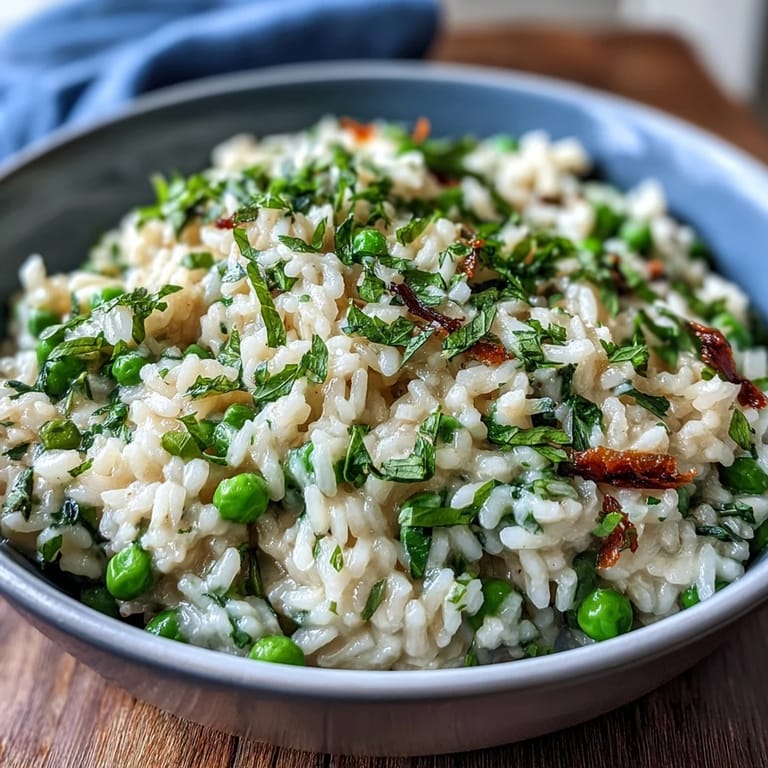
Save There was a moment during that first dinner party when everyone at the table went quiet for a few seconds, forks pausing mid-air, and I realized this simple bowl of rice had somehow created a little pocket of peace in the middle of our loud, chaotic evening. That's when a recipe becomes more than instructions—it becomes a reason people want to gather around your table again.
The Magic of Spring Vegetables in Risotto
Spring peas have a natural sweetness that deepens when they're cooked gently in a creamy rice base, and they don't need much else to shine. The mint acts like a spotlight, bringing out that sweetness while the lemon zest adds brightness that keeps the whole dish from feeling heavy. It's the kind of cooking that respects what's in season instead of fighting against it.
Timing and Temperature Secrets
I learned the hard way that rushing risotto by cranking up the heat doesn't save you time—it just gives you a pot of unevenly cooked rice and regret. Medium heat allows the rice to release its starch gradually and the liquid to be absorbed evenly. Your constant stirring keeps the grains from sticking to the bottom while also encouraging that creamy texture to develop naturally.
Making This Dish Your Own
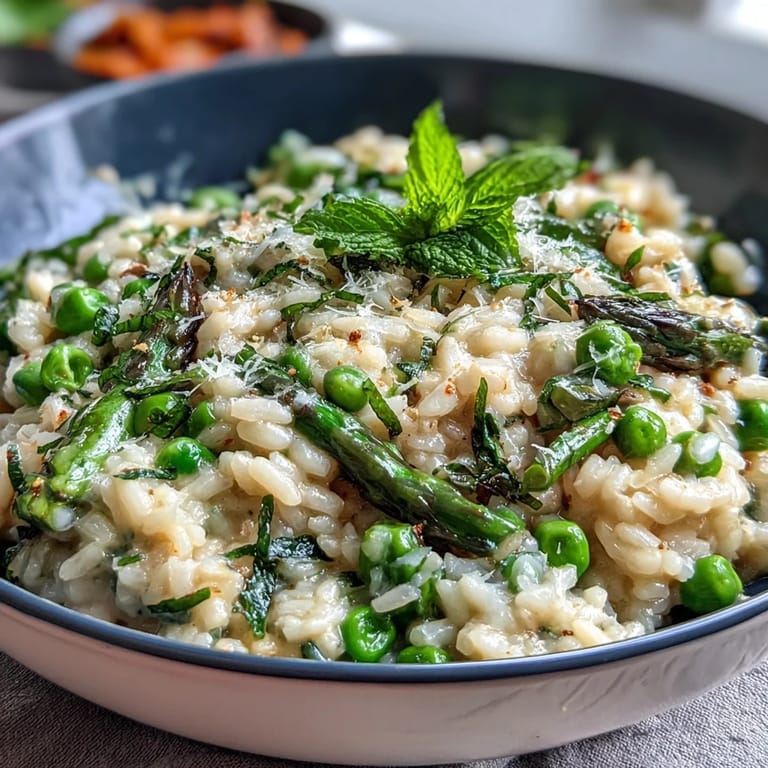
Once you understand how risotto works, you can swap in whatever spring vegetables appeal to you, or even what you have on hand. Asparagus, fresh fava beans, or tender zucchini all work beautifully alongside or instead of peas. Keep the basic technique the same and you'll find yourself inventing risotto variations all season long, each one tasting like the moment you made it.
- A drizzle of really good olive oil on top just before serving adds richness and brings the whole dish into focus.
- Frozen peas work just as well as fresh if that's what's available to you, so never feel apologetic about using them.
- Let your guests grate their own extra Parmesan at the table—it makes them feel part of the meal and lets everyone adjust the richness to their taste.
 Save
Save This risotto tastes like the moment when winter finally releases its grip and you remember why you love cooking in the first place. Serve it when you want to feel proud of something simple, or when you want to give people a reason to say your name with that same surprised delight.
Recipe FAQs
- → Can I substitute frozen peas for fresh in this dish?
Yes, frozen peas work well and are added near the end of cooking to retain color and tenderness.
- → What type of rice is best for this risotto?
Arborio rice is ideal due to its high starch content, which yields a creamy texture.
- → How do I know when the risotto is done?
The rice should be tender yet slightly firm to the bite (al dente), with a creamy consistency.
- → Can I prepare this dish ahead of time?
Risotto is best served fresh, but you can warm leftovers gently with a splash of stock to restore creaminess.
- → What wine pairs best with this dish?
A crisp white wine such as Sauvignon Blanc or Pinot Grigio complements the flavors well.
- → Can I omit the butter and still have good results?
Butter enriches the texture and flavor, but you can reduce it or substitute olive oil for a lighter finish.