 Save
Save My neighbor came over one April afternoon with a bunch of fresh mint from her garden, still dewy and fragrant, and I suddenly remembered why I love cooking with seasonal ingredients. We ended up throwing together this pilaf on a whim, and the moment those bright peas hit the warm rice, the kitchen filled with this green, spring-like aroma that made everything feel lighter. It became the side dish I reach for whenever I want something that feels special without any fuss.
Easter Sunday at my mom's house, I brought this pilaf to pair with the ham, and my dad actually asked for seconds, which rarely happens. He said it reminded him of something he ate on a trip years ago, and watching him get a little nostalgic over rice and peas was worth every minute of prep work. Now whenever I make it, I think of that moment and smile.
Ingredients
- Long-grain white rice (basmati or jasmine): These varieties stay separate and fluffy rather than clumping, which matters more than you'd think for a pilaf that feels light and elegant.
- Low-sodium vegetable broth: This gives you control over the salt level, and honestly, good broth makes the rice taste like it was meant to shine.
- Fresh or frozen spring peas: Either works beautifully, though fresh ones add a little pop of texture if you can find them.
- Yellow onion: Chopped fine so it disappears into the rice and becomes almost sweet as it softens.
- Unsalted butter: Toast the rice in this first, and you'll notice the difference in how the grains absorb flavor.
- Garlic: Just a whisper of it, barely 30 seconds in the pan, keeps it from turning bitter.
- Fresh mint and parsley: The mint is the star here, stirred in at the end so it stays bright and fragrant rather than cooked down.
- Lemon zest and salt: The zest adds complexity without acid, and salt should be added gradually so you don't overdo it.
Tired of Takeout? 🥡
Get 10 meals you can make faster than delivery arrives. Seriously.
One email. No spam. Unsubscribe anytime.
Instructions
- Rinse your rice:
- Run it under cold water until the water stops looking cloudy. This removes excess starch and helps each grain cook separate and light.
- Build your base:
- Melt butter over medium heat and let the onion soften for a couple minutes until it turns translucent and starts smelling sweet. Add the garlic for just 30 seconds, then you'll know it's ready.
- Toast the rice:
- Stir the drained rice into the butter and aromatics for about a minute so every grain gets coated. You'll hear a gentle rattling sound that tells you it's toasting.
- Add liquid and season:
- Pour in your broth, season with salt and pepper, then bring everything to a boil. The kitchen will smell like a warm, savory embrace.
- Simmer low and slow:
- Reduce heat to low, cover, and let it cook undisturbed for 15 minutes. Resist the urge to peek.
- Introduce the peas:
- Stir in the peas straight from frozen if that's what you have, cover again, and cook for another 5 minutes until the rice is tender and liquid is gone. Fresh peas go in raw and soften beautifully.
- Rest and fluff:
- Remove from heat, keep it covered for 5 minutes, then fluff gently with a fork to separate the grains. This resting time lets everything settle and become fluffy rather than dense.
- Finish with brightness:
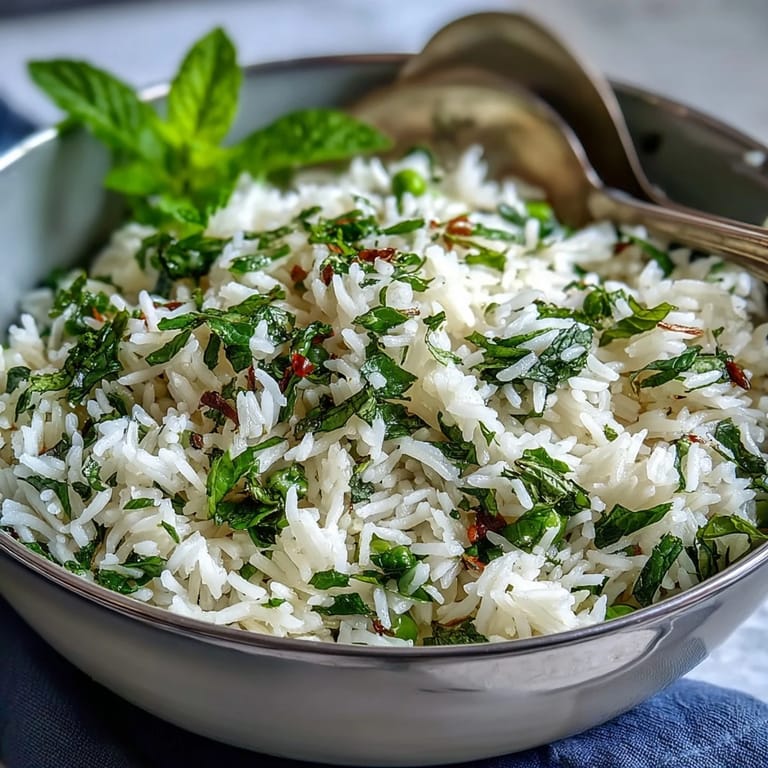
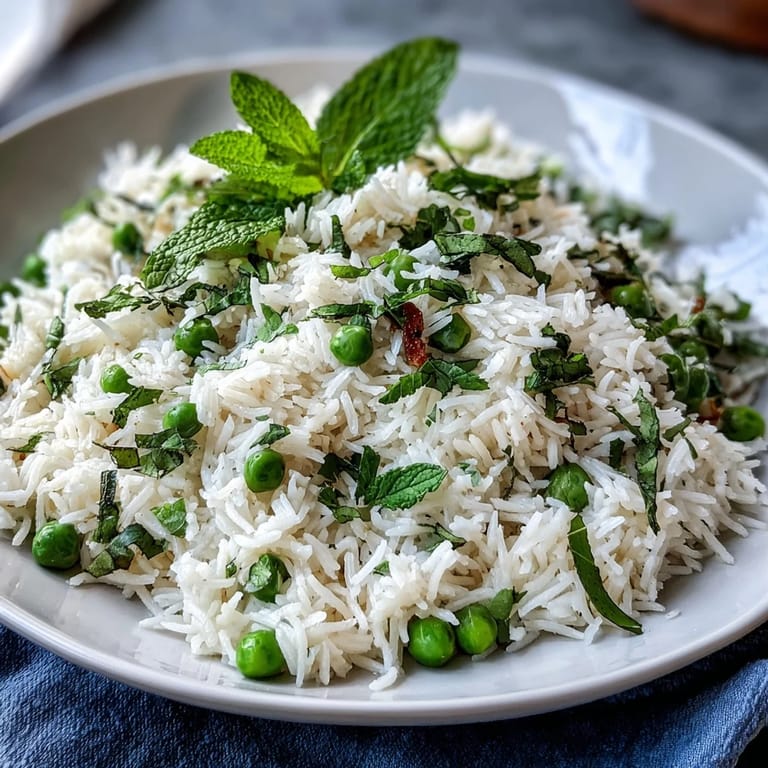
- Stir in the fresh mint and lemon zest, taste, and adjust salt if needed. The green flecks should look vibrant and scattered throughout.
 Save
Save Last year during a potluck at work, someone asked me what made the rice different, and I realized it was the first time I'd thought about how a side dish could actually be the thing people talked about. That question stuck with me because it reminded me that paying attention to small details, like when to add herbs or how to choose your rice, can transform something ordinary into something memorable.
Why This Works as a Side Dish
This pilaf doesn't fight for attention on the plate; it complements without disappearing. The mint and lemon give it enough personality that it stands on its own, but it plays beautifully with rich proteins like ham, roasted chicken, or even grilled fish. I've found it works at casual weeknight dinners and at tables where you're trying to impress, which makes it secretly one of my most versatile recipes.
Making It Ahead and Reheating
You can make this pilaf in the morning and gently reheat it later with a splash of broth, which is a lifesaver when you're managing multiple dishes. Just keep it covered in the fridge, and warm it over low heat so the rice doesn't dry out or turn tough. The mint should still be stirred in fresh right before serving so it doesn't lose its brightness while sitting.
Creative Variations to Try
Once you understand how this pilaf works, you start seeing endless possibilities in your pantry. I've swapped the peas for asparagus in early summer, added a pinch of saffron for a golden hue, and even stirred in crispy pancetta when I wanted something richer. The structure stays the same, but small changes let you adapt it to what's in season or what you're craving.
- Try swapping half the butter for olive oil if you want a lighter flavor that lets the peas and herbs shine even more.
- A handful of toasted nuts like pine nuts or almonds adds textural contrast that feels unexpectedly luxurious.
- Fresh dill or tarragon can replace the mint if you want a different herbal note that still feels bright and seasonal.
 Save
Save This pilaf taught me that the best recipes are the ones that feel simple to make but taste like you put real thought into them. It's become my go-to when I want to bring something to a table that shows I care.
Recipe FAQs
- → What rice works best for this pilaf?
Long-grain varieties such as basmati or jasmine rice are ideal, providing fluffy, separate grains.
- → Can I use frozen peas in the pilaf?
Yes, frozen peas can be added straight from the freezer during the last few minutes of cooking for convenience.
- → How does fresh mint enhance the dish?
Fresh mint adds a bright, herbaceous note that balances the sweetness of peas and the richness of butter.
- → Is it possible to make this pilaf vegan?
Yes, substituting butter with plant-based alternatives maintains richness while keeping the dish vegan-friendly.
- → What variations can be added to change the flavor profile?
Adding chopped scallions or chives introduces a mild onion flavor, and swapping parsley can adjust herbal notes.