 Save
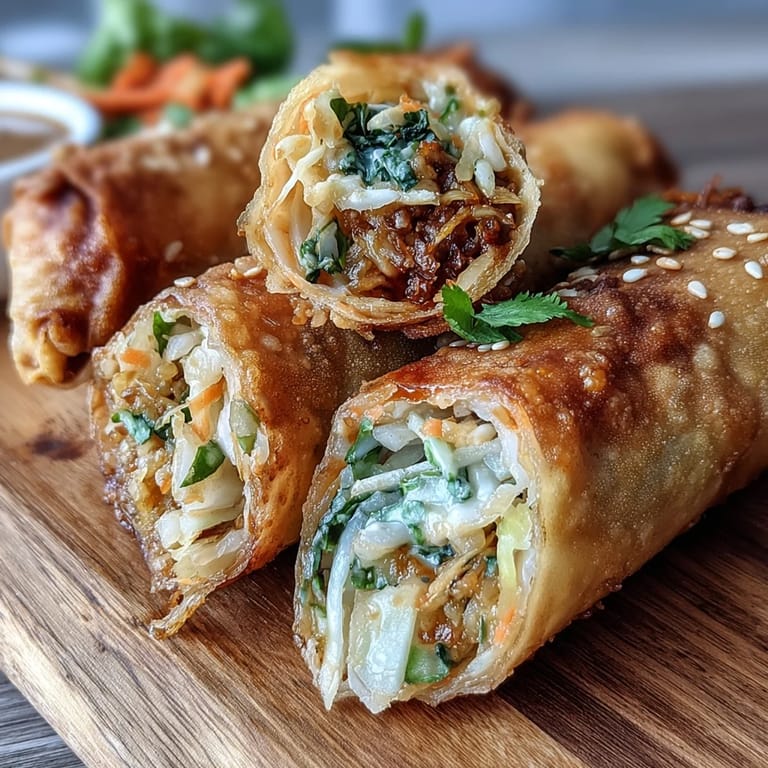
Save The first time I attempted crispy spring rolls, the kitchen filled with a sizzle so cheerful it almost made me forget I was nervous. There was a curiosity in the air as wisps of fresh cilantro brushed my wrists while I prepped the filling, and the wrappers clung stubbornly to my fingers like mischievous little bandits. The aroma of toasted sesame oil immediately transported me to the bustling street corners of Hanoi, even though my apartment windows rattled with spring wind. Frying the first batch—hearing the golden crackle and watching them puff—felt like a mini celebration. It’s impossible not to let the anticipation get the better of you as the peanut sauce comes together, fragrant and glossy on the counter.
One rainy night, my friends gathered in my tiny living room, trading stories while I wrapped spring rolls on the counter—half listening, half laughing when bean sprouts tried to escape. When the plate returned empty but dotted with flecks of chopped peanuts, someone admitted they’d eaten four. The sense of camaraderie and mischief in the air made the mess and occasional wonky roll utterly worth it.
Ingredients
- Spring roll wrappers: Buy fresh if possible—dry edges won’t seal; keep them covered to prevent cracking.
- Shredded green cabbage: Crunchy, fresh, and holds up during frying—pat dry to avoid soggy rolls.
- Julienned carrots: Sweet pop of color; slice thin for quick cooking and pretty layers.
- Bean sprouts: These add a juicy snap—rinse and drain thoroughly.
- Julienned red bell pepper: Subtle sweetness and vivid contrast—if you like more heat, swap a little for sliced chili.
- Cooked vermicelli noodles: Tucks everything together—use kitchen scissors to snip into shorter lengths for easy rolling.
- Green onions: Bring bright flavor—slice as thin as possible for even taste in every bite.
- Fresh cilantro: Adds herby lift—tear by hand for a gentler aroma.
- Soy sauce: Umami backbone, though a splash more can be added if you like extra savory filling.
- Sesame oil: A little goes far; gives nutty perfume to the mix—don’t skip it.
- Grated ginger: Zippy freshness—the secret behind the lively filling.
- Garlic: Used sparingly so it won’t overwhelm—mince very finely.
- Vegetable oil: For frying; choose a neutral oil so the filling shines.
- Creamy peanut butter: Forms the base of a lush, rich sauce—natural peanut butter works well here.
- Rice vinegar: Just a hint makes the dipping sauce sing—don’t be tempted to skip this tart note.
- Honey or maple syrup: Both add mellow sweetness—go maple for vegan rolls.
- Sriracha: Optional, but adds addictive tingle (I always sneak some in).
- Warm water: Helps the sauce achieve the perfect silky texture—add a little at a time.
- Toasted sesame oil (for sauce): Drizzle at the end for a nutty punctuation mark.
Tired of Takeout? 🥡
Get 10 meals you can make faster than delivery arrives. Seriously.
One email. No spam. Unsubscribe anytime.
Instructions
- Toss the Filling:
- Gather a big bowl and combine the cabbage, carrots, bean sprouts, red bell pepper, vermicelli, green onions, cilantro, soy sauce, sesame oil, ginger, and garlic—stir until everything smells bright and fresh.
- Wrap with Intention:
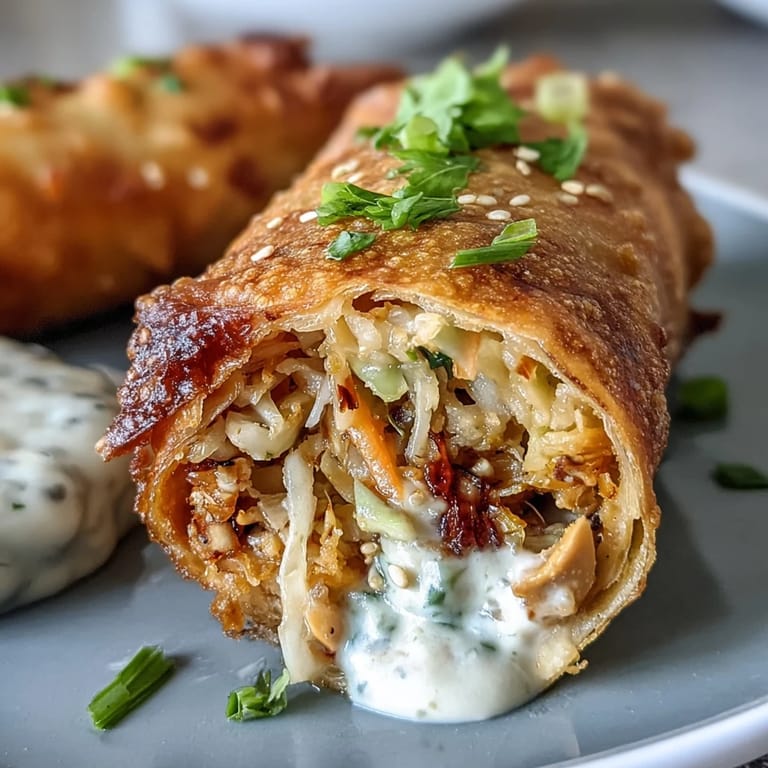
- Lay out a wrapper, corner pointing at you—spoon the filling close to the edge, then fold, tuck in the sides, and roll tightly, sealing with a water dab (it’s a little like gift-wrapping, but tastier).
- Keep Going:
- Repeat until you’re out of filling or wrappers; if the wrappers start sticking, cover them with a damp cloth to keep them pliable.
- Fry to Golden Perfection:
- Heat oil in a deep pan to 350°F—gently lower rolls in, frying (turning as needed) until crisp and golden all over; transfer to paper towels for a well-deserved rest.
- Stir up the Peanut Sauce:
- In a small bowl, whisk peanut butter, soy sauce, vinegar, honey or maple, sriracha, water, and sesame oil—stop when it’s glossy and smooth, adding water if it needs thinning.
- Share and Enjoy:
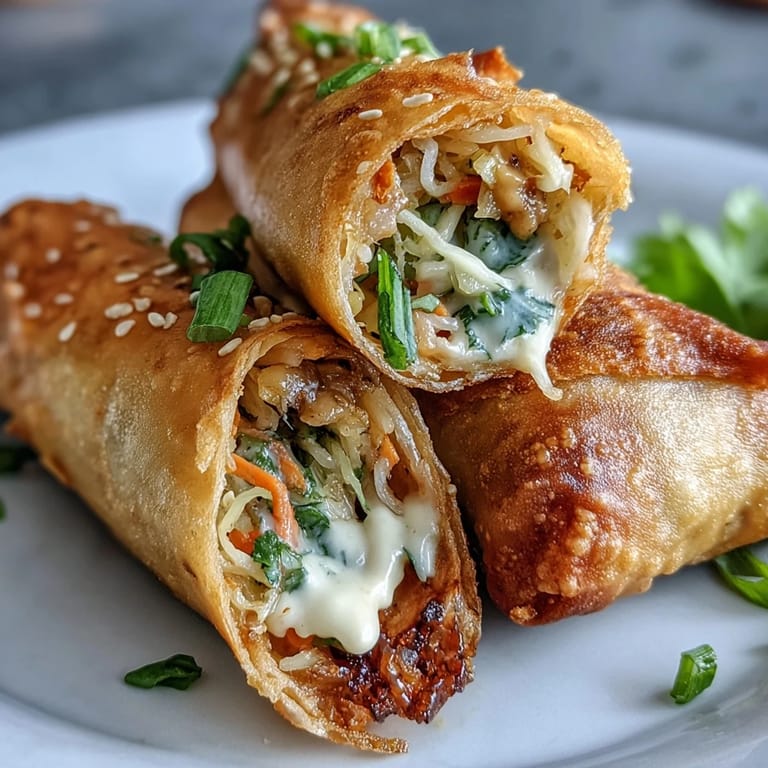
- Serve the hot rolls with sauce on the side—watch how quickly conversation pauses for that first perfect crunch.
 Save
Save 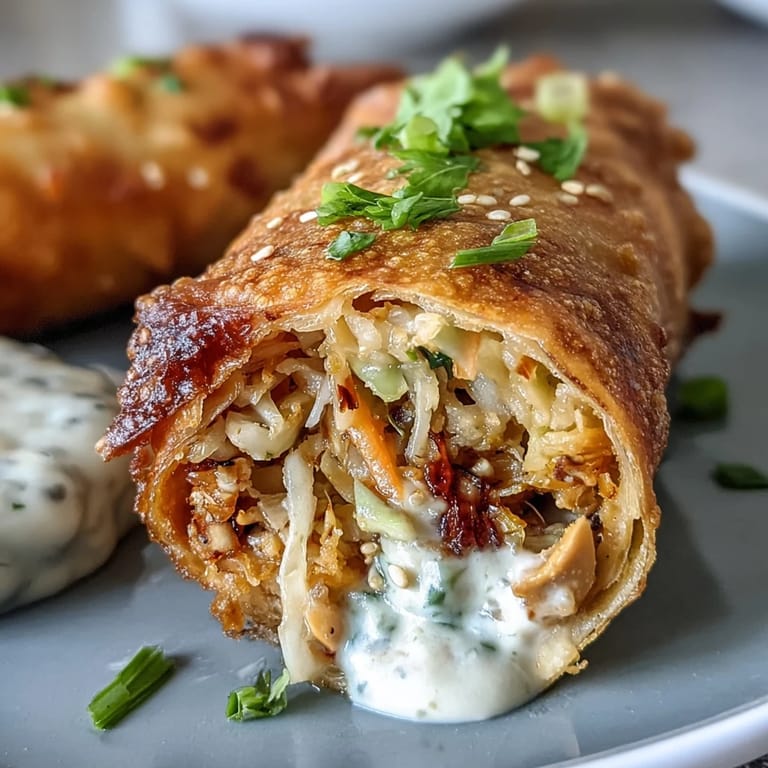 Save
Save During a sunny spring picnic, I watched as everyone dipped, crunched, and traded bites—one friend even tried the remaining peanut sauce on her salad, declaring she was never eating vinaigrette again. These humble spring rolls somehow managed to outshine the rest of the buffet that afternoon.
Small Tricks To Make Frying Easy
Frying always felt intimidating until I realized it’s about patience—don’t crowd the pan, and keep your oil temperature steady. A slotted spoon or chopsticks help keep the rolls from sticking together, and each batch rewards you with just the right amount of sizzle. If oil splashes make you nervous, use a spatter guard or slightly lower the rolls in gently. You’ll find that waiting a minute or two before flipping prevents splitting. Give them space, and each roll comes out golden and puffed.
Peanut Sauce Magic (And How To Personalize It)
The peanut sauce is secretly customizable—for an extra hit of tang, add another splash of rice vinegar. If you love heat, sriracha is your friend. My favorite trick: sprinkle chopped peanuts and a squeeze of lime over the bowl for instant vibrancy. If you find the sauce thick, a spoonful of warm water brings it right back to creamy perfection. Don’t hesitate to taste as you go—everyone’s ideal dip is a bit different.
Making Ahead and Storing Leftovers
I learned that assembling the rolls a few hours in advance (then covering with a damp towel) makes party prep a breeze. Leftover cooked rolls re-crisp well in a hot oven; just pop them on a baking sheet for a few minutes—not the microwave. The peanut sauce will firm up in the fridge but whisks smooth with a splash of water.
- If baking instead of frying, don’t forget to oil the rolls well for crispness.
- Leftover peanut sauce doubles as a salad dressing or noodle toss.
- Always serve spring rolls warm for maximum crunch and flavor.
 Save
Save 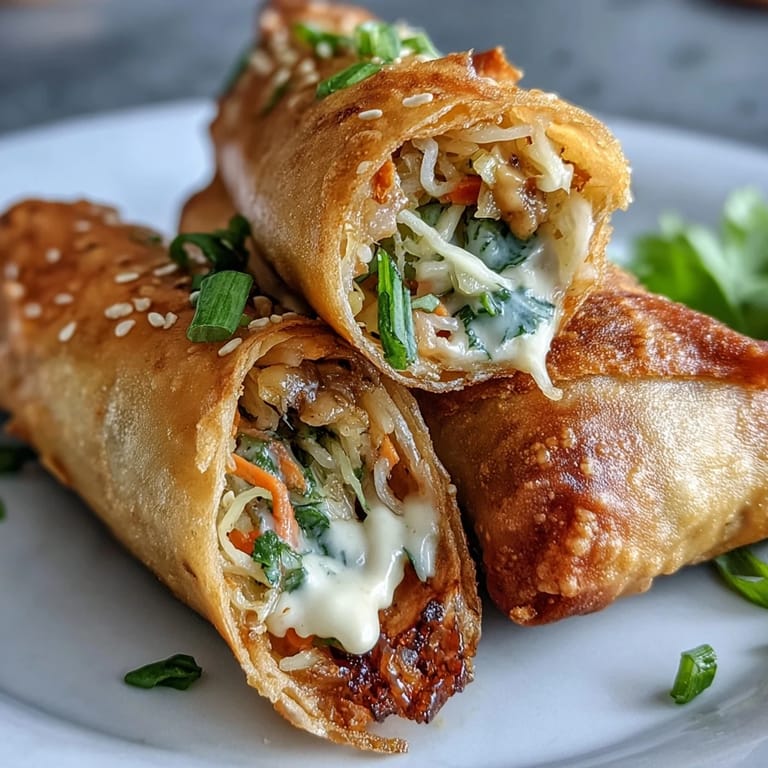 Save
Save Every time I make these spring rolls, I’m reminded how sharing food invites smiles and curiosity. The simplest crunchy bite can spark the best memories—enjoy!
Recipe FAQs
- → How do I keep the rolls crisp and not soggy?
Drain and pat the vegetables and noodles well before mixing, avoid overfilling the wrappers, and fry in oil at the proper temperature (about 350°F/175°C). Let finished rolls drain briefly on a rack or paper towels to remove excess oil.
- → Can I bake the rolls instead of frying?
Yes. Brush each roll lightly with oil and bake at 400°F (200°C) for 15–18 minutes, turning once halfway, until evenly golden and crisp. Baking yields a lighter texture but a slightly different crunch than deep-frying.
- → How do I get a smooth, pourable peanut sauce?
Warm the water slightly and whisk it in gradually with the peanut butter, soy and rice vinegar until smooth. Use a small blender or immersion blender for an ultra-silky finish and adjust thickness with more warm water or a splash of oil.
- → What’s the best technique for wrapping spring rolls?
Place a wrapper with a corner toward you, add a compact line of filling near the bottom, fold the bottom corner over, tuck in the sides and roll tightly. Seal the edge with a dab of water to prevent unrolling during frying.
- → How should I store and reheat leftover rolls?
Store cooled rolls in an airtight container in the refrigerator for up to 2 days. Reheat in a 375°F oven or an air fryer until crisp to revive texture. Avoid microwaving, which makes them soft.
- → Can I substitute ingredients for allergies or preferences?
For a nut-free dip, use sunflower seed butter and increase rice vinegar and a touch of sweetener. Replace soy with tamari or coconut aminos for gluten-free needs and swap honey for maple syrup to keep it vegan.