 Save
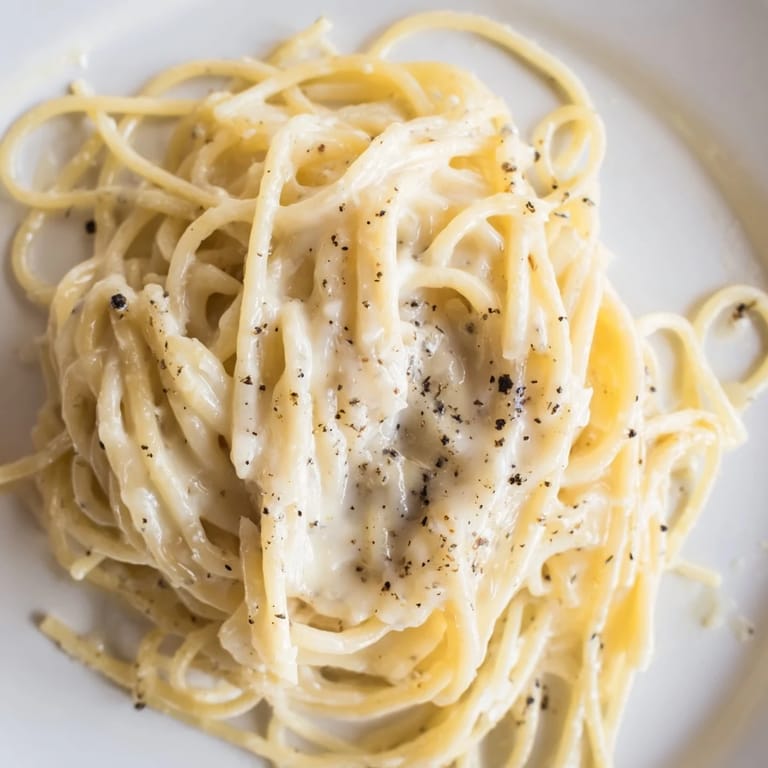
Save The first bite of real cacio e pepe happened in a cramped kitchen in Trastevere, where my friend's nonna stood over a skillet with nothing but cheese, pepper, and pasta water. No cream, no butter, just technique and confidence. I watched her toss that pasta like it owed her money, and when she handed me a fork, the creamy sauce clinging to each strand made me realize I'd been overthinking Italian food my whole life. Sometimes the best dishes are the ones that dare you to keep it simple.
I made this for a dinner party once when my oven broke an hour before guests arrived. Panic turned into improvisation, and this dish saved the night. Everyone gathered around the stove, watching me toss the spaghetti, and suddenly the kitchen felt more alive than any formal dining room ever could. One friend said it was the best pasta she'd ever had, and I didn't have the heart to tell her it was my backup plan. That's the magic of cacio e pepe: it turns accidents into triumphs.
Ingredients
- Spaghetti (400 g): The long strands are traditional and hold the creamy sauce perfectly, but I've used bucatini when I'm feeling fancy and it works beautifully.
- Pecorino Romano cheese (120 g, finely grated): This is the soul of the dish, salty and sharp, and you must grate it fresh or it won't melt into that silky sauce.
- Freshly cracked black pepper (2 tsp, plus extra): Toasting it in the pan releases oils you didn't know existed, turning simple pepper into something almost floral and warm.
- Salt: For the pasta water, which should taste like the sea, because that starchy, salty water is what makes the sauce come together.
Tired of Takeout? 🥡
Get 10 meals you can make faster than delivery arrives. Seriously.
One email. No spam. Unsubscribe anytime.
Instructions
- Boil the pasta:
- Bring a large pot of generously salted water to a rolling boil and cook the spaghetti until just al dente, with a slight bite in the center. Before draining, scoop out a full cup of that cloudy, starchy pasta water and set it aside, it's your secret weapon.
- Toast the pepper:
- While the pasta cooks, add the black pepper to a large skillet over low heat and let it sizzle for a minute or two until it smells toasty and almost fruity. Don't rush this step, it's where the flavor begins.
- Build the base:
- Pour about half a cup of the hot pasta water into the skillet with the toasted pepper and let it simmer gently. This creates a peppery broth that will coat every strand.
- Toss the pasta:
- Add the drained spaghetti directly into the skillet and toss it around until every piece is slick with the peppery water. The pasta should glisten and steam as you work.
- Add the cheese:
- Remove the skillet from the heat and sprinkle in the grated Pecorino in small handfuls, tossing constantly and vigorously like you're trying to wake it up. Add splashes of reserved pasta water as needed until the cheese melts into a glossy, creamy sauce that clings to the pasta without clumping.
- Serve immediately:
- Plate the spaghetti while it's still steaming and top with extra grated Pecorino and a generous crack of black pepper. This dish waits for no one, so eat it right away while the sauce is still creamy.
 Save
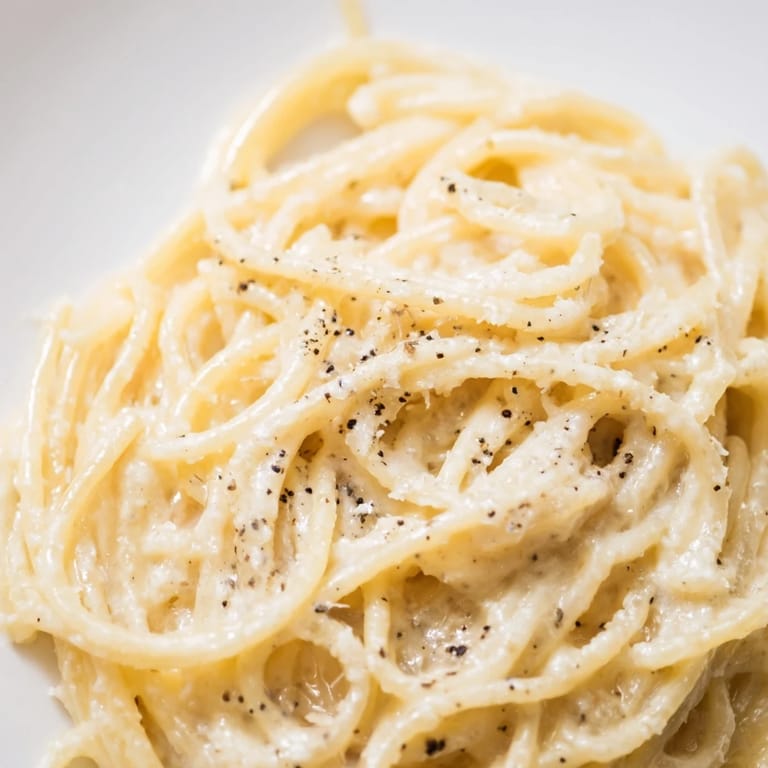
Save There's a moment, right when the cheese melts and the sauce comes together, when the kitchen smells like a Roman trattoria and you realize you've pulled off something quietly extraordinary. My partner now requests this on rough days, not because it's fancy, but because it feels like care in a bowl. It's become our weeknight ritual, proof that you don't need complexity to make someone feel loved.
Choosing Your Cheese
Pecorino Romano is traditional and gives you that sharp, salty punch that defines cacio e pepe, but I've swapped in Parmigiano Reggiano when I want something a little gentler and nuttier. Some purists will argue, but I've learned that cooking is about what tastes good to you, not about following rules written in stone. If you can find aged Pecorino from a good Italian deli, though, it's worth every penny.
Getting the Sauce Just Right
The sauce should look almost too loose in the pan, because it will thicken as it cools on the plate. I used to make it too thick, thinking I was being careful, and it would turn into a sticky mess by the time I sat down to eat. Now I aim for something that looks like it might slide off the pasta, and it always sets into that perfect creamy coating. Trust the process, and don't be afraid to add more pasta water than you think you need.
Serving and Pairing
This dish is best eaten immediately, straight from the pan if you're feeling casual, because the sauce loses its magic as it sits. I like to serve it with a simple arugula salad dressed in lemon and olive oil to cut through the richness, and a crisp white wine like Vermentino that doesn't fight with the pepper. Sometimes I'll set out extra cheese and a pepper grinder on the table, and people always go back for more.
- Serve with crusty bread to mop up every last bit of sauce from the plate.
- A squeeze of lemon juice right before serving adds a bright note that some people love.
- Leftovers can be gently reheated with a splash of water, but they'll never be quite the same as the first bite.
 Save
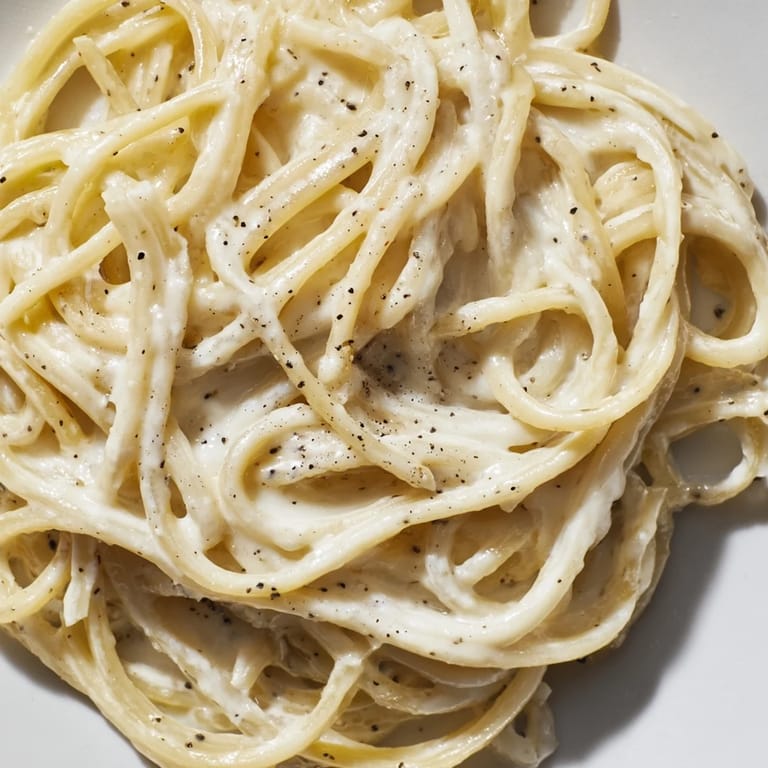
Save Once you nail this recipe, you'll find yourself making it on repeat, tweaking the pepper or cheese to your taste. It's one of those dishes that grows with you, teaching you something new every time you make it.
Recipe FAQs
- → Why is pasta water essential in this dish?
Pasta water contains starch that emulsifies with the cheese and pepper, creating a silky sauce that clings to each strand. It prevents the cheese from clumping and transforms dry ingredients into a luxurious coating.
- → Can I use pre-grated Pecorino Romano?
For best results, always use freshly grated Pecorino Romano. Pre-grated cheese contains anti-caking agents that prevent smooth melting and can result in a grainy, clumpy sauce rather than a creamy one.
- → What does al dente mean and why does it matter?
Al dente means the pasta is cooked until just tender with a slight firmness when bitten. This texture is crucial because softer pasta breaks down and becomes mushy when tossed vigorously with the sauce.
- → Can I substitute Parmigiano Reggiano for Pecorino Romano?
Yes, Parmigiano Reggiano works as a substitute and creates a milder, slightly nutty flavor. However, Pecorino Romano's sharper, saltier character is traditional and defines the authentic dish.
- → How do I prevent the cheese from clumping?
Work quickly and vigorously when adding cheese, tossing constantly over low heat. Keep the mixture moving to distribute the cheese evenly. Adding pasta water gradually helps control the melting process and prevents lumps.
- → What wines pair best with this dish?
Crisp, acidic white wines complement the rich, peppery flavors beautifully. Try Vermentino, Pinot Grigio, or other light whites with good acidity to balance the creamy cheese and bold pepper notes.