 Save
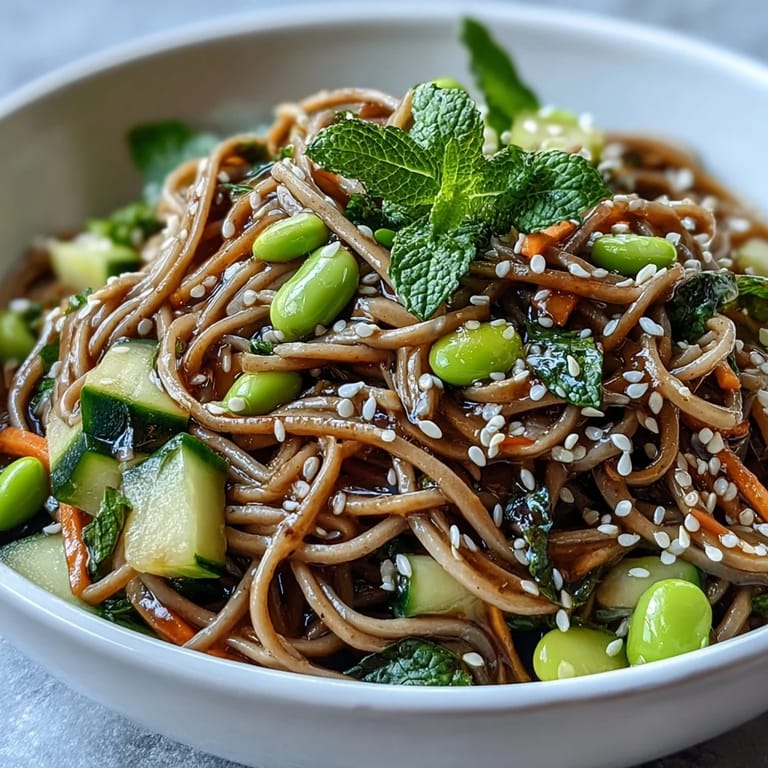
Save On a sweltering afternoon, my neighbor handed me a takeout container of soba noodles she'd picked up from a small Japanese spot downtown, insisting I had to try it cold. I was skeptical—noodles in the heat seemed counterintuitive—but the moment I took a bite, something clicked. The nutty buckwheat, the snap of fresh vegetables, that silky sesame dressing threading through everything. I spent the next week reverse-engineering her lunch, and now this bowl has become my go-to whenever I need something that feels both indulgent and honest.
I made this for my partner one evening when we were both running on empty, tired from a long day. Instead of reaching for takeout menus, I pulled together this bowl in the time it would have taken to wait for delivery. Watching them brighten up as they ate—really ate, not just fuel—reminded me why simple, thoughtful food matters so much more than complicated.
Ingredients
- Dried soba noodles, 250 g: Look for 100% buckwheat if you can find it; the flavor is earthier and the texture more delicate than blended varieties.
- Shelled edamame, 1 cup: Fresh or frozen both work beautifully—frozen actually saves time without sacrificing taste.
- Cucumber, 1 medium: Julienne it thin so it stays crisp and integrates with every bite.
- Carrots, 2 medium, peeled: The sweetness balances the sesame dressing's umami depth.
- Scallions, 2: Slice them thin for a gentle onion note that won't overpower.
- Toasted sesame seeds, 2 tbsp: Buy them already toasted to save a step and ensure they're perfectly fragrant.
- Fresh cilantro or mint, 1/4 cup: Optional but honestly transformative—it brightens everything it touches.
- Soy sauce, 3 tbsp: Use tamari if gluten-free is a priority; the flavor shift is minimal.
- Rice vinegar, 2 tbsp: This keeps the dressing from feeling heavy and adds a gentle tang.
- Toasted sesame oil, 1 tbsp: Never skip this or substitute with regular sesame oil; the depth is essential.
- Tahini or smooth peanut butter, 1 tbsp: Creates that silky, luxurious mouthfeel.
- Honey or maple syrup, 1 tbsp: A touch of sweetness that makes the entire dressing sing.
- Fresh ginger, 1 tsp grated: The warmth of ginger elevates this from ordinary to memorable.
- Garlic clove, 1 small, minced: Just enough to add dimension without becoming aggressive.
- Water, 1 tbsp: Keep this on hand to adjust the dressing's consistency until it's perfectly pourable.
Tired of Takeout? 🥡
Get 10 meals you can make faster than delivery arrives. Seriously.
One email. No spam. Unsubscribe anytime.
Instructions
- Get the noodles going:
- Bring a medium pot of water to a rolling boil, then add your soba noodles and let them cook according to the package timing—usually around 4 to 5 minutes. You'll know they're ready when they're tender but still have a slight chew; mushy noodles are the enemy here.
- Shock them into crispness:
- Drain the noodles in a colander, then rinse them under cold running water, tossing gently with your fingers to stop the cooking and rinse away excess starch. This keeps them from clumping together into a sad, sticky mass.
- Blanch the edamame:
- While the noodles finish, bring a separate pot of salted water to a boil and drop in your edamame for just 2 to 3 minutes. Drain them immediately and set aside; they'll finish cooling while you work on the other components.
- Whisk the dressing into being:
- In a small bowl, combine the soy sauce, rice vinegar, sesame oil, tahini, honey, ginger, and minced garlic, whisking until smooth and unified. If it feels thick or reluctant, add a bit of water until you reach a consistency that flows easily but still coats a spoon.
- Prep the vegetables with intention:
- Julienne your cucumber and carrots into thin, uniform matchsticks—this takes a few minutes but makes the final eating experience so much better. Slice your scallions on a bias so they look elegant and distribute evenly.
- Bring it together:
- In a large bowl, toss the cooled soba noodles with about half of the sesame dressing, making sure every strand gets coated. The noodles should glisten but not swim in sauce.
- Build the bowls:
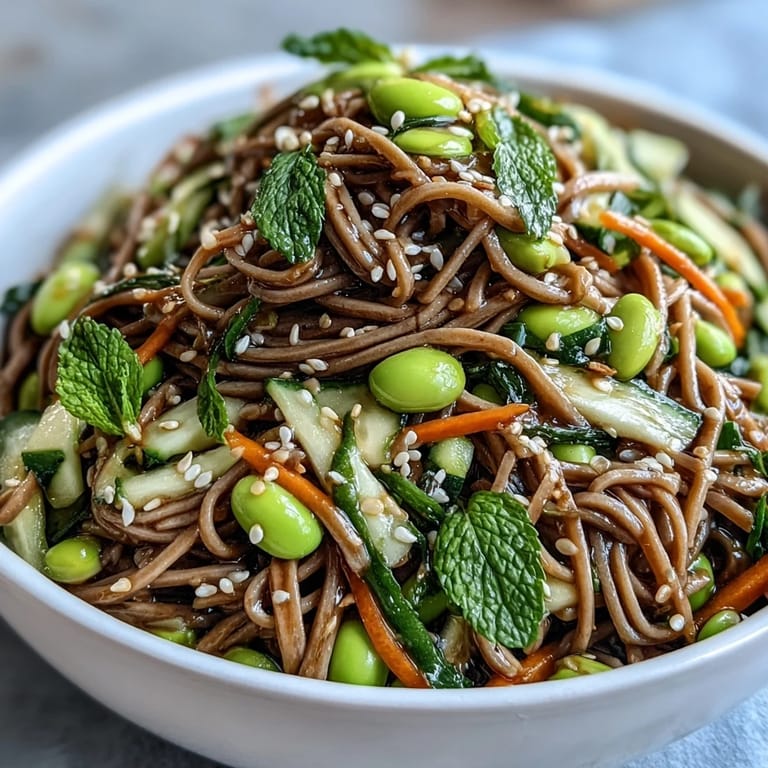
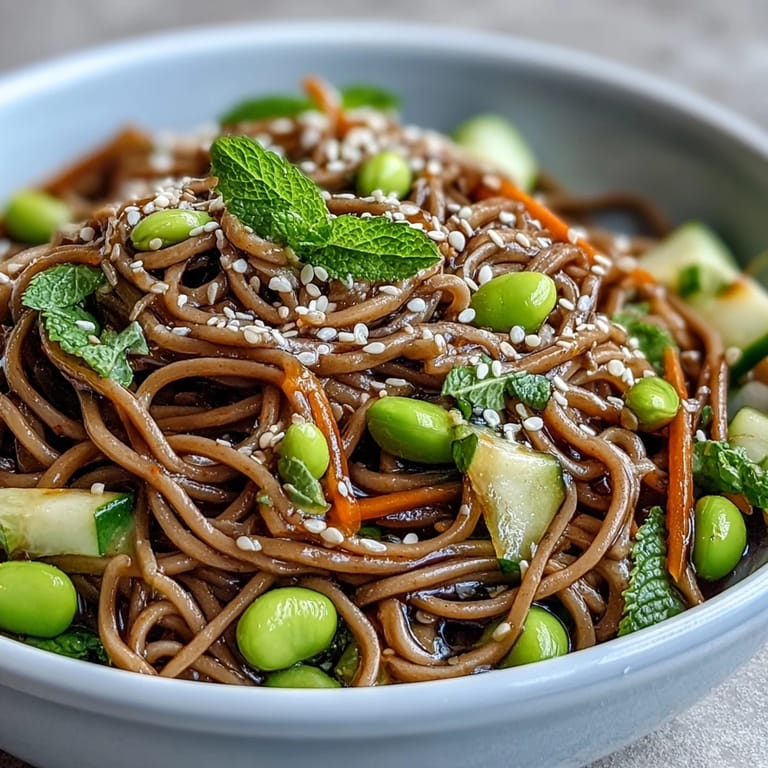
- Divide the dressed noodles among four bowls, then top each one with a handful of edamame, cucumber, carrots, and scallions arranged however feels right to you. Drizzle the remaining dressing over the top and scatter sesame seeds and fresh herbs across everything.
- Serve and savor:
- Eat immediately while the vegetables are still crisp and the noodles are still cool and chewy. This is not a dish that waits well.
 Save
Save There's something almost meditative about assembling this bowl. The repetitive motions of julienning vegetables, the gentle clink of a whisk in a bowl, the way everything comes together into something greater than its parts. It's the kind of meal that tastes better when you've given it your hands-on attention.
The Sesame Dressing Secret
The dressing is honestly where the magic lives. It's not just a condiment tossed on top—it's the backbone that makes every component shine. The combination of toasted sesame oil, tahini, and a whisper of ginger creates this umami-rich base that feels luxurious but somehow still light. I've found that making the dressing first and letting it sit for a few minutes while you prep vegetables actually deepens the flavor, giving the garlic and ginger time to infuse everything.
Why Cold Noodles Work So Well
It took me a while to understand why cold soba noodles appeal to me more than hot ones. Maybe it's the way the chill makes the buckwheat flavor more pronounced, or how the cold vegetables maintain their crispness against the chewy noodles. There's also something refreshing about eating something cool when the world around you is warm—it feels like a small rebellion against discomfort. Cold noodles also mean you can eat this straight from the fridge even hours after assembling it, though honestly, fresh is always better.
Making It Your Own
This bowl is genuinely flexible in ways that make me love it even more. One week I had snap peas instead of carrots, and the crunch was perfect. Another time, someone brought radishes to a potluck and I thinly sliced them into the mix—their peppery bite added a dimension I didn't know it needed. The base stays true, but the details can bend to whatever your kitchen holds.
- Top with grilled tofu, a soft-boiled egg, or crumbled tempeh to bump up the protein and make this a complete meal.
- Try different vegetables like bell peppers, daikon radish, or thinly shaved cabbage depending on the season and what looks good at the market.
- If you want heat, add a drizzle of sriracha or a pinch of chili flakes to the dressing itself.
 Save
Save This soba bowl has quietly become my answer to a dozen different questions: what to make on a hot day, what to bring to a potluck, what to cook when I want something that feels both nourishing and indulgent without fussing. Make it once and I promise it'll find its way back into your regular rotation.
Recipe FAQs
- → Can I make this bowl gluten-free?
Yes, choose soba noodles made from 100% buckwheat and swap regular soy sauce for tamari. Many brands include wheat in their noodle blends, so check labels carefully.
- → How long do leftovers keep?
Store assembled bowls in the refrigerator for up to 3 days. The vegetables will soften slightly but the flavors develop beautifully. Keep dressing separate if you prefer crunchier vegetables.
- → What protein additions work well?
Grilled tofu, pan-seared tempeh, shredded chicken, or soft-boiled eggs make excellent additions. Simply cook your protein separately and arrange on top before serving.
- → Can I use other vegetables?
Absolutely. Snap peas, bell peppers, radishes, shredded cabbage, or steamed broccoli work wonderfully. Aim for colorful, crisp vegetables that complement the nutty noodles.
- → Is the dressing adjustable?
The dressing is highly versatile. Add more honey for sweetness, extra ginger for heat, or additional tahini for creaminess. Thin with water or lime juice to reach your preferred consistency.
- → Should soba noodles be rinsed?
Always rinse soba noodles under cold water after cooking. This removes excess starch, prevents sticking, and cools them down for this refreshing dish.