 Save
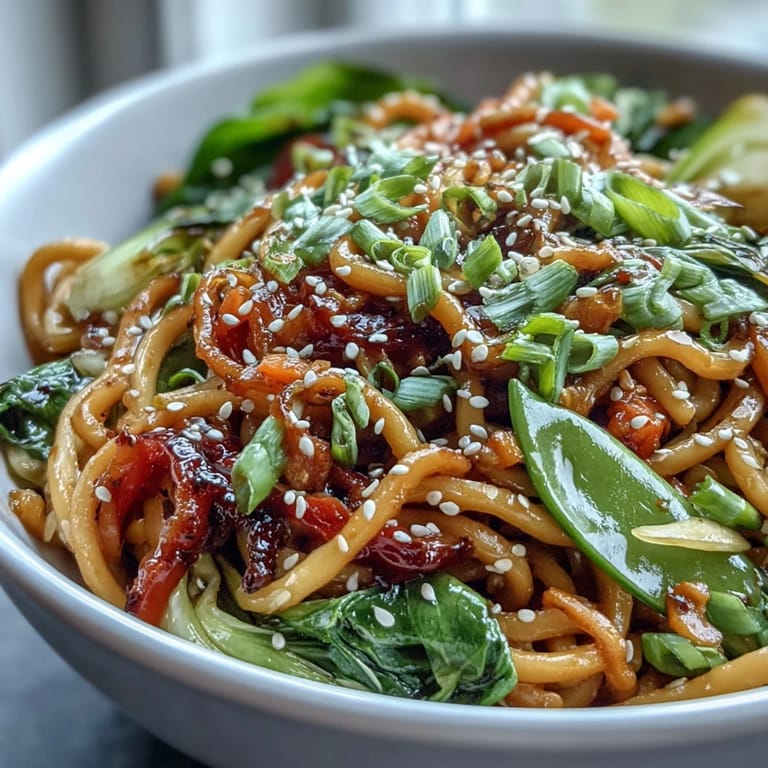
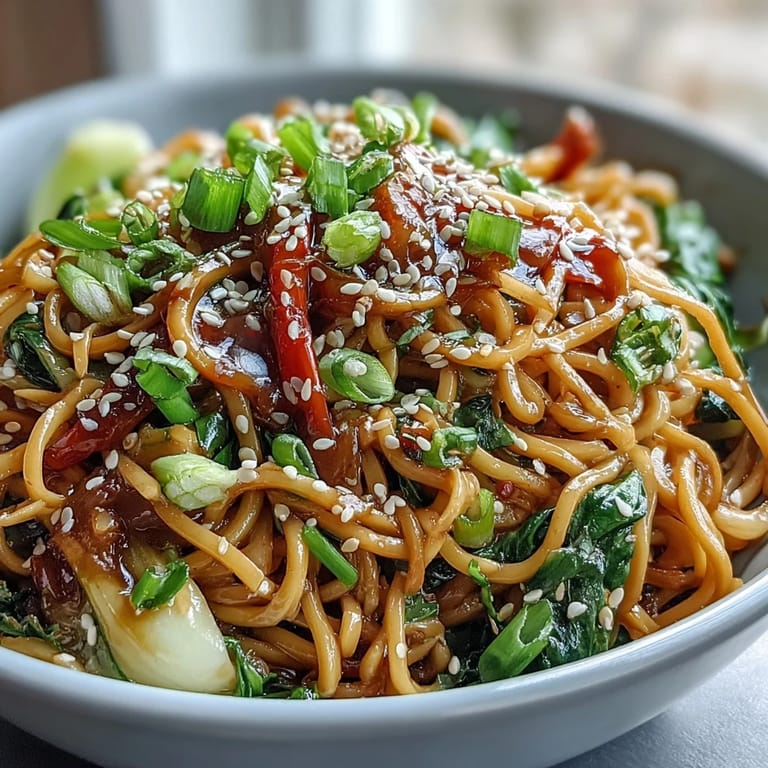
Save There's something almost meditative about the sound of shirataki noodles hitting hot oil in a wok—that gentle sizzle that tells you everything is about to come together beautifully. I discovered this bowl on a Tuesday when I was determined to eat lighter but didn't want to sacrifice flavor or satisfaction, and what started as an experiment became my go-to meal whenever I need something that feels indulgent without the heaviness. The ginger sauce is the real star here, filling your kitchen with that warm, peppery aroma that makes you actually excited about a bowl of noodles.
I made this for a friend who was skeptical about shirataki noodles, convinced they were some kind of culinary trick with no real merit. When she took that first bite and paused—really paused—I knew the ginger sauce had worked its magic, and by the end of the bowl she was asking if I'd write down the recipe. That moment reminded me that the best meals aren't about restriction or sacrifice; they're about flavor and care.
Ingredients
- Shirataki noodles: These delicate, translucent noodles are pure magic if you treat them right—drain and rinse thoroughly, then give them a quick boil and pat them completely dry so they don't absorb excess moisture in the pan.
- Bok choy: Its mild sweetness and tender texture balance the sharp ginger sauce beautifully, and it cooks in literal minutes.
- Red bell pepper: Adds natural sweetness and that satisfying crunch that makes each bite interesting.
- Snow peas: These stay crisp if you don't overcook them, and their delicate flavor lets the sauce shine.
- Carrot: Sliced thin means it softens just enough while keeping a gentle bite.
- Green onions: A bright finish that adds freshness and a hint of onion flavor without overpowering anything.
- Tamari or gluten-free soy sauce: Choose tamari if you need strictly gluten-free; the depth is identical and no one will know the difference.
- Rice vinegar: This brings gentle acidity that lifts the entire sauce without making it sharp or aggressive.
- Toasted sesame oil: Don't skip the toasted kind—regular sesame oil tastes like disappointment in comparison, and this oil is what people will taste and ask about.
- Fresh ginger: Finely grated so it distributes evenly and doesn't leave those fibrous chunks that catch in your teeth.
- Garlic: One clove is enough; more would bully the delicate ginger flavor.
- Maple syrup: Just a touch to round the sauce and balance the vinegar's bite—optional but worth it.
- Chili flakes: For when you want a gentle warmth rather than a shout; adjust to your comfort level.
- Toasted sesame seeds: Buy them already toasted or toast them yourself in a dry pan for 2 minutes—they add nutty flavor and visual appeal.
Tired of Takeout? 🥡
Get 10 meals you can make faster than delivery arrives. Seriously.
One email. No spam. Unsubscribe anytime.
Instructions
- Prepare your noodles properly:
- Drain the shirataki noodles from their liquid, rinse under cold water until the water runs clear, then boil them for exactly 2 minutes. This removes any residual odor and gives them a better texture, then drain and pat them completely dry with paper towels so they don't steam themselves soggy later.
- Make the sauce while everything else waits:
- In a small bowl, whisk together tamari, rice vinegar, sesame oil, ginger, garlic, maple syrup, and chili flakes until everything is combined and the ginger doesn't have any dry pockets. This only takes a minute but tastes like you spent an hour thinking about flavor.
- Stir-fry the harder vegetables first:
- Add the softer vegetables:
- Toss in the bok choy and green onions and keep the heat high for just 1-2 minutes more, watching as they brighten and soften slightly but stay crisp.
- Bring it all together:
- Add your dried shirataki noodles to the pan, pour that gorgeous ginger sauce over everything, and toss for 2-3 minutes so the noodles absorb the sauce and heat through completely. The whole pan should smell incredible right now.
- Finish with intention:
- Divide between bowls and scatter toasted sesame seeds and fresh cilantro or basil on top, letting people see exactly what they're eating and giving them that final pop of freshness.
 Save
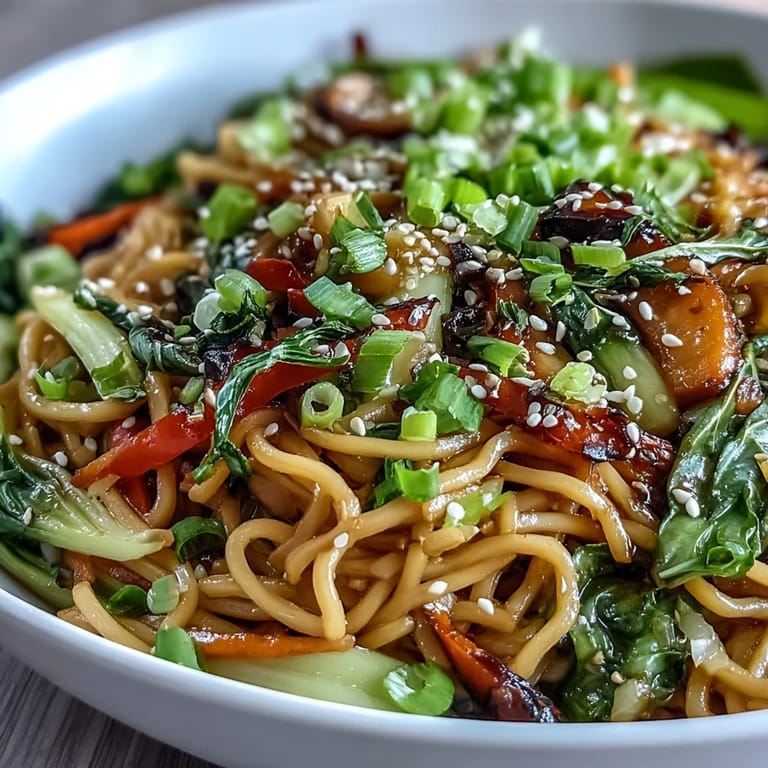
Save The first time I brought this bowl to work, a colleague who'd been doing keto peeked over my shoulder and asked what I was eating—not because it looked strange, but because it smelled extraordinary. We ended up having this little conversation about how healthy food doesn't have to taste like punishment, and she made it that same weekend.
Sauce is Everything
The magic of this bowl lives entirely in the sauce, so don't rush it or use bottled versions thinking you're saving time. Homemade takes maybe 2 minutes and tastes infinitely better, with that sharp ginger bite balanced by sesame oil's richness and a whisper of sweetness. Once you've made this sauce, you'll find yourself drizzling it on roasted vegetables, grains, and things that have absolutely nothing to do with noodles.
Vegetable Flexibility
The vegetable lineup I've given you is just a suggestion, not a restriction—broccoli, mushrooms, snap peas, cabbage, or whatever looks good at the market will work beautifully. I've made this bowl in winter with just what I had in the crisper drawer and spring versions with fresh snap peas, and honestly every version has been wonderful. The key is cutting everything into similar-sized pieces so everything cooks at the same pace and you don't end up with some vegetables raw and others mushy.
Protein and Customization
This bowl as written is wonderfully light, but if you want more substance, grilled tofu, tempeh, or cooked shrimp will make it a complete meal without overshadowing the vegetables and sauce. For extra freshness that cuts through the richness of the sesame oil, squeeze a bit of lime juice over the top right before eating, or add a spoonful of sriracha if you want more heat than the chili flakes provide.
- Top with marinated tofu or tempeh for vegan protein that absorbs the sauce beautifully.
- A squeeze of fresh lime at the end brightens everything without needing extra ingredients.
- Make double the sauce so you have extra to drizzle over the top and ensure every bite tastes perfect.
 Save
Save This bowl became my quiet anchor during a season when I needed meals that felt nourishing but not fussy, and it's still the recipe I reach for when I want to feel good about what I'm eating. There's real comfort in a bowl of food that tastes this good and asks this little of you.
Recipe FAQs
- → What are shirataki noodles?
Shirataki noodles are translucent, gelatinous Japanese noodles made from konjac yam. They're virtually calorie-free, extremely low in carbohydrates, and absorb flavors beautifully, making them ideal for light, healthy bowls.
- → How do I prepare shirataki noodles properly?
Drain and rinse the noodles thoroughly under cold water, then boil them for 2 minutes to remove any natural aroma. Pat them dry with paper towels to remove excess moisture before adding to your stir-fry.
- → Can I add protein to this bowl?
Absolutely. Grilled tofu, tempeh, edamame, or cooked shrimp pair wonderfully. Prepare your protein separately and add it during the final minutes of cooking or use it as a topping.
- → What vegetables work best in this dish?
Bok choy, bell peppers, snow peas, and carrots provide excellent crunch and color. Broccoli, mushrooms, snap peas, or zucchini also work beautifully. Use whatever fresh Asian vegetables you have available.
- → Is this bowl spicy?
The base dish is mild with a gentle warmth from fresh ginger and garlic. The chili flakes are optional—add them to taste or omit entirely for a child-friendly version without heat.
- → How long does this keep in the refrigerator?
Store components separately for best results. The vegetables and noodles keep for 2-3 days when refrigerated in airtight containers. The sauce can be stored for up to a week. Reheat gently to maintain texture.