 Save
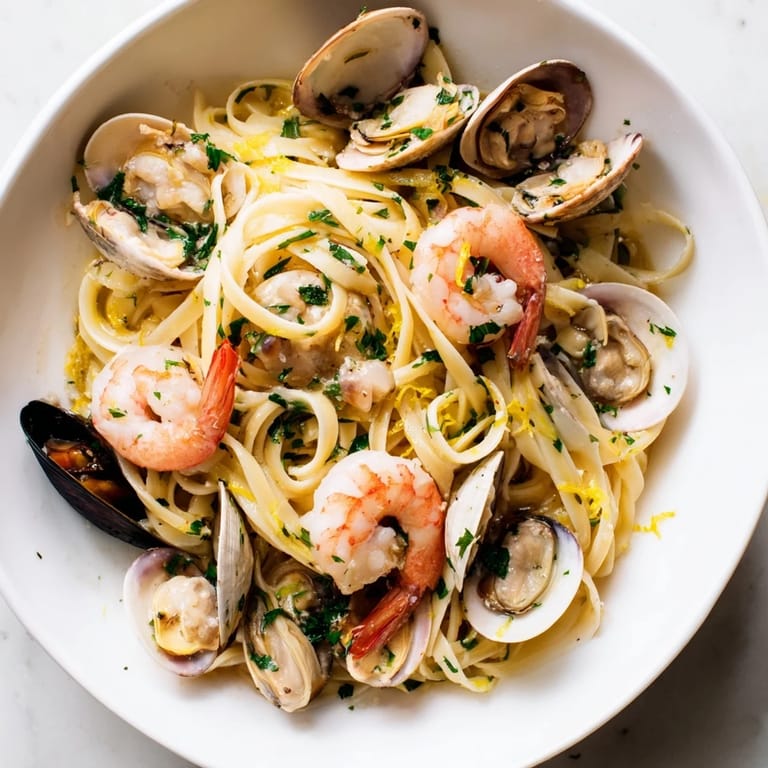
Save My neighbor Maria taught me this dish on a humid August evening when my stove wouldn't stop clicking and her kitchen smelled like the Amalfi Coast. She dropped a bag of clams on my counter, muttered something in Italian about timing, and we cooked together in silence except for the sound of shells opening. I learned more in those twenty minutes than I ever did reading cookbooks. The trick, she said, was never to rush the garlic and always to listen for the shells. Now every time I make this, I think of her hands moving fast and the way she tasted the sauce with a piece of torn bread.
I made this for my brother's birthday once, and he showed up late, which is typical. By the time he walked in, the clams had just opened and the whole apartment smelled like lemon and butter and the sea. He didn't even take his coat off before grabbing a fork. We ate standing up at the counter, twirling linguine and cracking shells, and he told me it was better than the place we went to in Venice, which probably wasn't true but felt true in that moment.
Ingredients
- Large shrimp, peeled and deveined: These cook fast and turn sweet when they hit the hot pan, so buy them already prepped if you can or your prep time doubles.
- Fresh clams, scrubbed: Tap them before cooking and toss any that don't close, they should smell like clean ocean, not fishy or sour.
- Fresh mussels, scrubbed and debearded: Pull that fuzzy beard off right before cooking, and like the clams, they'll open when they're ready, it's like a little kitchen miracle every time.
- Dried linguine: The flat shape holds onto that silky sauce better than spaghetti, and cooking it just to al dente means it finishes perfectly when tossed in the pan.
- Extra virgin olive oil: This is your flavor base, so use something you'd actually want to taste, not the dusty bottle from three years ago.
- Garlic cloves, thinly sliced: Slicing instead of mincing gives you sweet, golden pieces that don't burn as fast and perfume the whole dish.
- Small shallot, finely chopped: It adds a subtle sweetness that garlic alone can't, and it melts into the sauce so you barely know it's there.
- Red pepper flakes: Just a pinch wakes everything up without making it spicy, but skip it if you're cooking for kids or people who panic at heat.
- Dry white wine: Use something crisp and clean like Pinot Grigio, never cooking wine, because you'll taste the difference and so will anyone you serve.
- Fish or chicken stock: Fish stock is ideal but chicken works in a pinch, just make sure it's low sodium so you control the salt at the end.
- Unsalted butter: This is what makes the sauce glossy and rich, stirred in at the end when the heat is low so it emulsifies instead of separating.
- Zest of half a lemon: The zest gives you bright, floral citrus oil that the juice alone can't, and it makes the whole dish smell alive.
- Fresh lemon juice: Brightens everything and cuts through the richness, but add it off the heat or it can turn bitter.
- Salt and freshly ground black pepper: Taste before you season because the shellfish and stock add their own salt, and finish with cracked pepper right before serving.
- Chopped fresh parsley: Not just a garnish, it adds a grassy freshness that balances all the butter and wine.
- Lemon wedges: Let people squeeze their own at the table, some like it tart, some don't.
Tired of Takeout? 🥡
Get 10 meals you can make faster than delivery arrives. Seriously.
One email. No spam. Unsubscribe anytime.
Instructions
- Boil the Pasta:
- Get your salted water roaring before you drop the linguine in, and set a timer for two minutes less than the package says. Reserve some pasta water before draining, it's starchy and salty and will save your sauce if it gets too tight.
- Start the Aromatics:
- Warm the olive oil over medium heat until it shimmers, then add your garlic and shallot, stirring gently so they soften and turn golden without any brown edges. If you smell burning, you've gone too far and need to start over.
- Sear the Shrimp:
- Crank the heat up a notch and lay the shrimp in the pan without crowding them, one minute per side until they curl and blush pink. Pull them out before they're fully cooked because they'll finish later and you don't want rubber.
- Steam the Shellfish:
- Tumble in the clams and mussels, pour the wine over them, and cover the pan with a lid so the steam does the work. After a few minutes, the shells will pop open one by one, and you'll feel like a magician.
- Build the Sauce:
- Add the stock and let it bubble gently for a couple of minutes to concentrate the flavors. Slide the shrimp back in and let everything get acquainted.
- Toss the Pasta:
- Drop the drained linguine into the skillet along with a splash of pasta water, the butter, lemon zest, and juice, then toss everything with tongs until it's glossy and cohesive. Taste it now and adjust the salt and pepper before it hits the plates.
- Serve Hot:
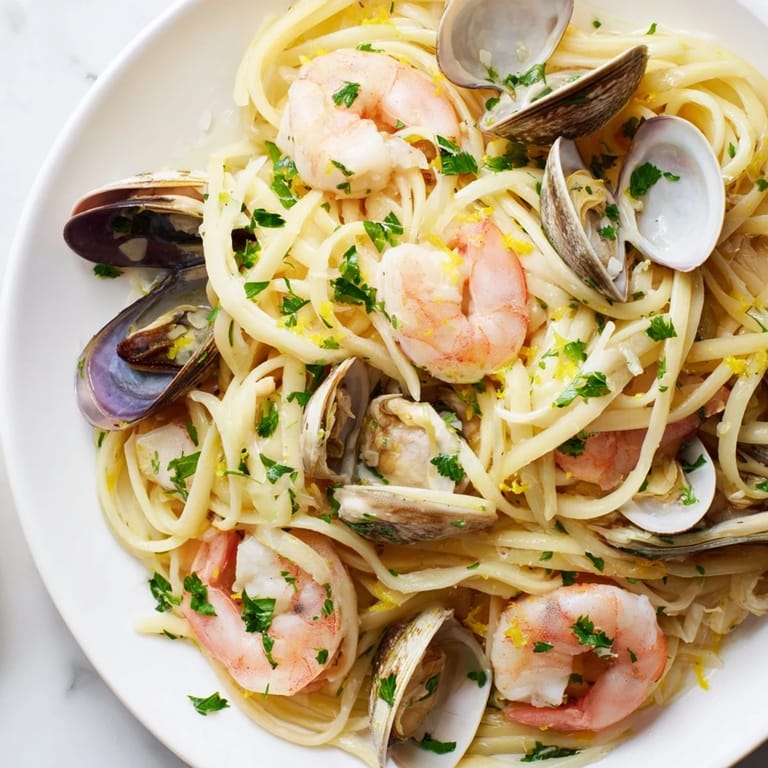
- Divide the linguine and shellfish among bowls, making sure everyone gets a mix of shrimp, clams, and mussels. Scatter parsley on top and tuck a lemon wedge on the side.
 Save
Save The first time I served this to a group, I panicked because two clams didn't open and I thought I'd poisoned everyone. My friend laughed and said that's just how shellfish works, and we kept eating and talking and pouring more wine. It became the dish I make when I want people to feel taken care of, when I want the kitchen to feel like the center of everything. There's something about passing bowls of pasta and shellfish that makes a table feel less like dinner and more like a gathering.
Choosing Your Seafood
Buy your shellfish the day you're cooking it, or at most the day before, and store it in the coldest part of your fridge covered with a damp towel. Shrimp should smell clean and sweet, and clams and mussels should be tightly closed or close up when you tap them. If your fishmonger looks at you funny when you ask questions, find a new fishmonger. Fresh seafood makes this dish sing, and frozen shrimp are fine in a pinch but the texture is never quite the same.
Wine and Stock Choices
Use a wine you'd actually drink, not something labeled cooking wine, because that stuff is loaded with salt and tastes like regret. Pinot Grigio, Vermentino, or Sauvignon Blanc all work beautifully, and if you have some left in the bottle, pour it into glasses while you cook. Fish stock is worth hunting down for the depth it adds, but low sodium chicken stock is a solid backup and won't make anyone miss the fish version unless they're a chef.
Making It Your Own
This recipe is forgiving and wants you to play with it. Swap in scallops or rings of calamari if that's what looks good at the market, or add a handful of halved cherry tomatoes when you pour in the stock for a pop of color and sweetness. Some people like a splash of cream to make it richer, and I won't judge you for it, though purists will. If you want it spicier, double the red pepper flakes, and if you want it more lemony, add extra zest at the end.
- Try stirring in a few torn basil leaves right before serving for a summery twist.
- A pinch of saffron in the stock turns this into something fancy enough for a special occasion.
- Serve with crusty bread to soak up every drop of that sauce, because leaving it in the bowl is basically a crime.
 Save
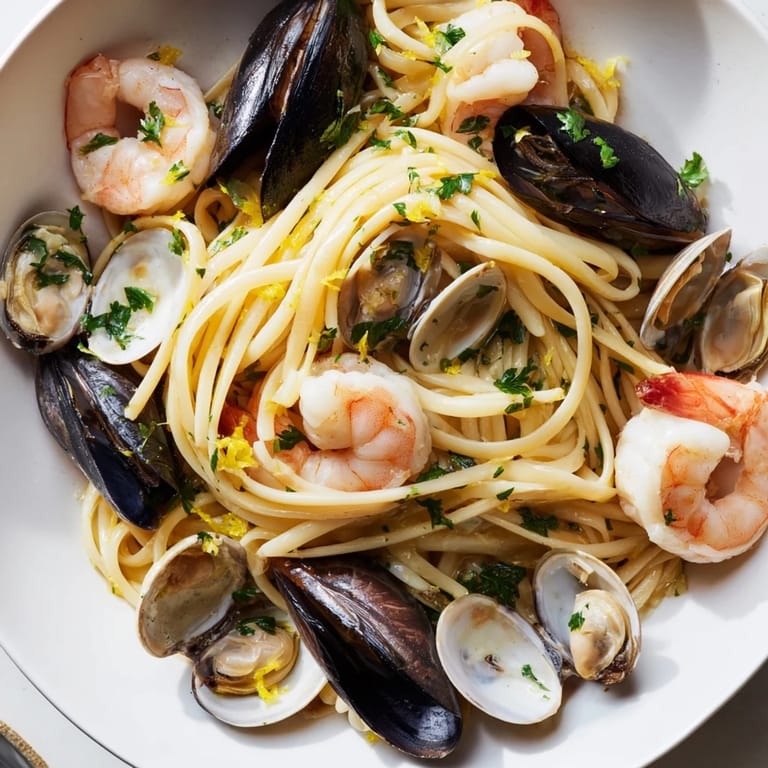
Save This dish taught me that cooking doesn't have to be precious or complicated to feel special. It just has to taste like you cared enough to do it right.
Recipe FAQs
- → How do I know if clams and mussels are fresh?
Look for tightly closed shells. Discard any that are cracked or open before cooking. After cooking, discard any shells that remain closed, as they were not safe to eat.
- → Can I prepare this dish ahead of time?
You can prep ingredients in advance, but cook the pasta and seafood just before serving for best texture. The sauce can be partially prepared while the linguine cooks.
- → What white wine works best for this dish?
Use a dry, crisp white wine like Pinot Grigio, Vermentino, or Sauvignon Blanc. Avoid overly sweet wines that will unbalance the delicate seafood flavors.
- → How do I prevent rubbery shrimp?
Cook shrimp briefly—about 1 minute per side until just pink. They continue cooking slightly after removal, so avoid overcooking. Return them to the pan at the end for gentle reheating.
- → What can I substitute for the seafood?
Calamari, scallops, or a combination of your preferred shellfish work well. Keep total weight similar and adjust cooking times slightly based on thickness and type of seafood used.
- → Why is pasta water added to the dish?
Pasta water contains starch that helps create a light, silky sauce coating. It allows the noodles and seafood to come together harmoniously without being too heavy.