 Save
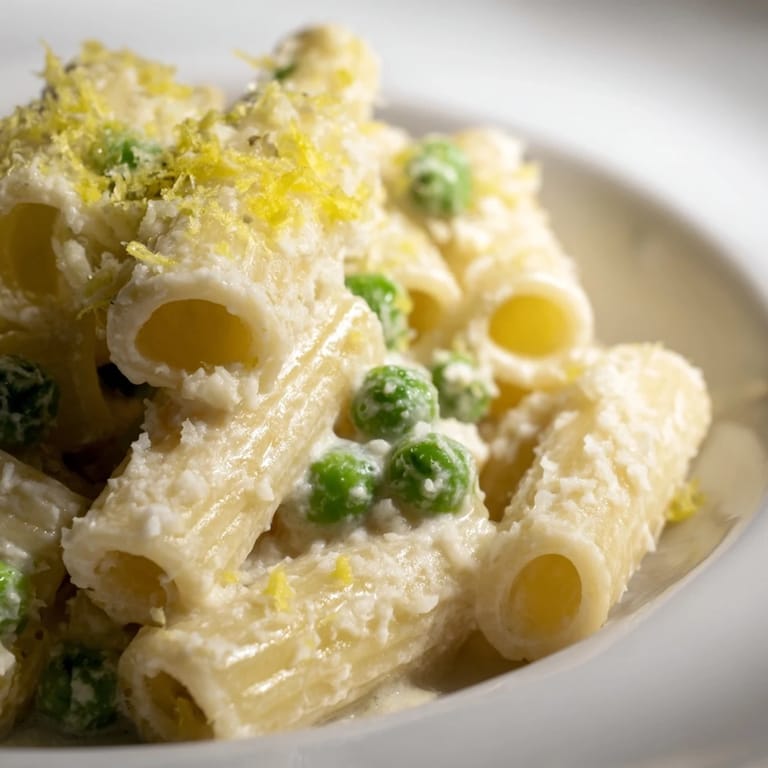
Save The first time I made this pea and lemon ricotta pasta, it was an accidental Tuesday night rescue mission. I had half a container of ricotta staring at me from the fridge and a bag of frozen peas I'd forgotten about. What happened in twenty minutes completely changed my opinion about quick weeknight dinners—sometimes the most unplanned meals end up being the ones we remember most fondly.
Last spring, my sister came over looking completely defeated after a brutal week at work. I threw this together while she sat at my counter, complaining about her boss. By the time we sat down to eat, she was three forkfuls in before she even realized she'd stopped talking. Sometimes food just needs to be simple, fast, and ridiculously comforting to do its job properly.
Ingredients
- 400 g rigatoni: The ridged surface grabs that creamy ricotta sauce beautifully, though penne works if that's what you have
- 250 g ricotta cheese: Whole milk ricotta creates the silkiest sauce—part skim can turn slightly grainy
- 1 lemon, zested and 2 tbsp juice: Room temperature lemons release more juice, and microplane zest captures all those aromatic oils
- 2 tbsp extra virgin olive oil: This bridges the gap between the ricotta and pasta water into something velvety
- 1 small garlic clove, grated: Grating distributes the garlic evenly throughout the sauce without any harsh bites
- 40 g grated Parmesan: Adds savory depth that keeps the lemon from feeling too sharp
- 200 g frozen or fresh peas: Even frozen peas sweeten up beautifully with just two minutes in boiling water
- Salt and black pepper: Ricotta needs more salt than you'd expect—taste as you go
Tired of Takeout? 🥡
Get 10 meals you can make faster than delivery arrives. Seriously.
One email. No spam. Unsubscribe anytime.
Instructions
- Get your pasta water going:
- Bring a large pot of salted water to boil—the water should taste like the sea. This is your only chance to season the pasta itself.
- Cook the pasta and blanch the peas:
- Add rigatoni and cook until al dente. Drop in the peas during the last 2 to 3 minutes, then scoop out that pasta water before draining.
- Whisk together the ricotta sauce:
- In a large bowl, combine ricotta, lemon zest, lemon juice, olive oil, grated garlic, Parmesan, salt, and pepper. Mix until completely smooth.
- Combine everything:
- Add the hot pasta and peas directly into the ricotta bowl. Toss vigorously, adding pasta water until everything's glossy and coated.
- Serve it up:
- Plate immediately while it's creamy and hot. Top with extra Parmesan, fresh herbs, or another hit of lemon zest if you're feeling fancy.
 Save
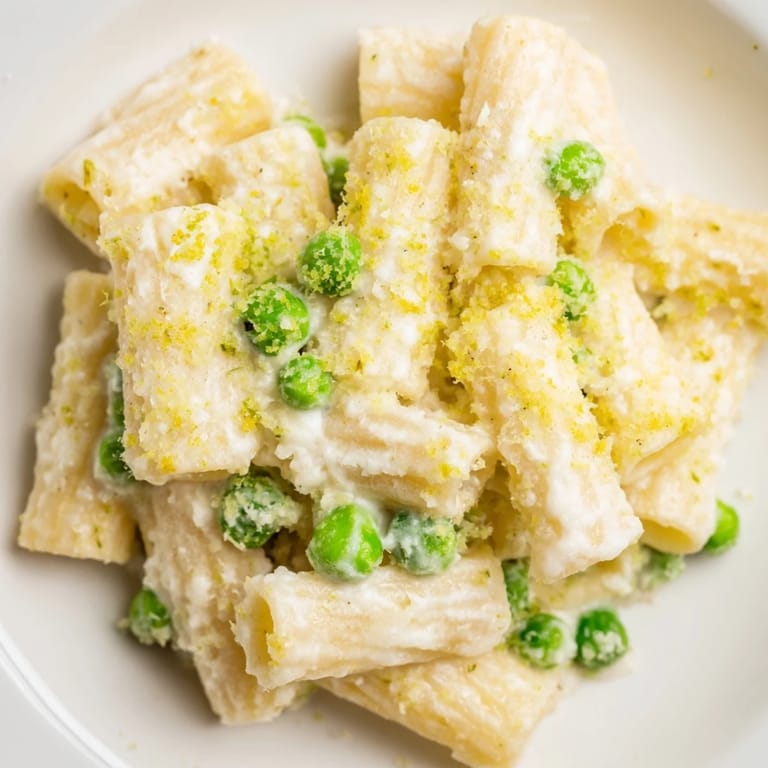
Save This recipe has become my go to when friends announce they're coming over with zero notice. I once made it for four people using only what I had in the pantry and fridge. They all asked for the recipe, and I had to admit I'd literally thrown it together while they were walking up the stairs. Sometimes the best dishes are born from absolute necessity.
Making It Your Own
I've learned that this pasta welcomes variations with open arms. A handful of fresh basil or mint completely changes the vibe—basil makes it feel more Italian, while mint leans almost Middle Eastern. During summer, fresh peas straight from the pod need barely thirty seconds in the water.
Getting The Sauce Consistency Right
The first few times I made this, I struggled with clumps of ricotta refusing to coat the pasta. The trick turned out to be adding that splash of pasta water directly into the ricotta mixture before tossing with the pasta. Something about the starchy hot water melts the ricotta into something almost luxurious.
What To Serve Alongside
This pasta is surprisingly filling on its own, but a crisp green salad with an acidic vinaigrette cuts through the richness. Grilled asparagus or sautéed zucchini would be perfectly at home here too. And honestly, some crusty bread to mop up any extra sauce is never a bad idea.
- A chilled white wine like Pinot Grigio complements the lemon beautifully
- Keep red pepper flakes on the table for anyone craving heat
- The leftovers reheat surprisingly well with just a splash of water
 Save
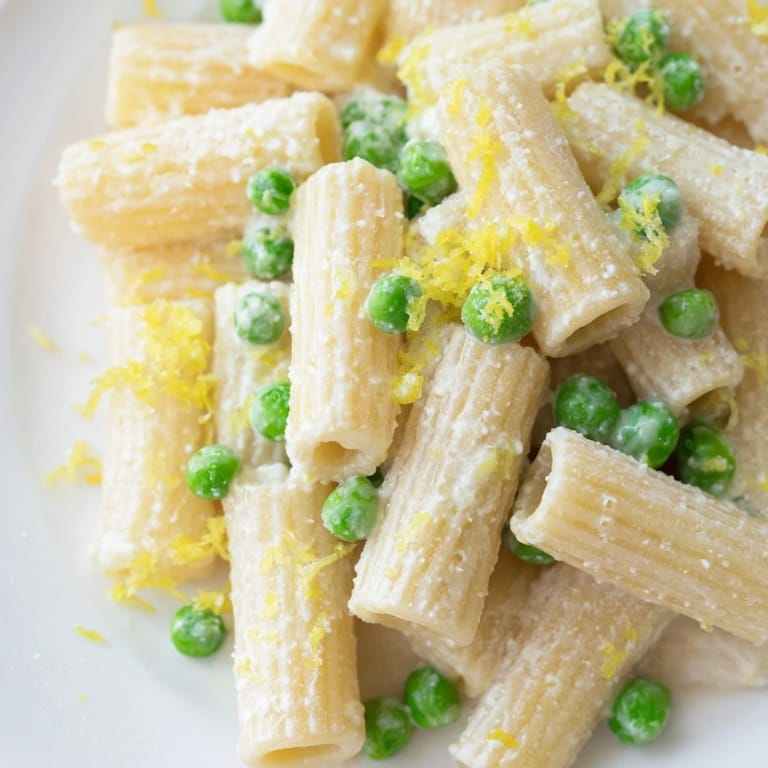
Save Twenty minutes from start to finish, and this pasta tastes like something you'd linger over at a tiny restaurant in Rome. That's the kind of weeknight magic we could all use more of.
Recipe FAQs
- → Can I use fresh peas instead of frozen?
Yes, absolutely. Fresh peas work wonderfully and may require slightly less cooking time. Blanch them for 2-3 minutes until tender before draining with the pasta.
- → What can I substitute for ricotta?
Mascarpone, cream cheese, or goat cheese work well as alternatives. For a vegan option, use plant-based ricotta or cashew cream mixed with lemon juice and garlic.
- → How do I get the sauce to coat evenly?
Add the hot pasta directly to the ricotta mixture and toss while warm. Use reserved pasta water gradually to loosen the sauce until it's silky and clings to each piece of pasta.
- → Can I make this ahead?
This dish is best served immediately while warm. However, you can prep components in advance—make the ricotta mixture ahead and cook pasta when ready to serve.
- → What pasta shapes work best?
Rigatoni is ideal for catching the creamy sauce, but penne, fusilli, or farfalle are excellent alternatives. Avoid very thin pastas that may become mushy.
- → How can I add more flavor?
Try adding a pinch of red chili flakes for heat, toasted pine nuts for crunch, or fresh mint and basil for herbaceous notes. A touch of nutmeg complements the lemon beautifully.