 Save
Save My neighbor surprised me with these orange rolls one Sunday morning, and I spent the entire breakfast interrogating her about how she'd managed something so pillowy and fragrant without looking frazzled. She laughed and revealed her secret: the dough had been sitting in her fridge since the night before, doing all the heavy lifting while she slept. That conversation changed how I think about weekend baking—sometimes the best morning magic happens when you're not even awake.
I made these for a holiday breakfast with my sister, and she arrived early just to watch them bake. The smell hit her the moment she opened my front door—we didn't even exchange proper greetings, just stood there breathing in that orange-butter warmth like it was the whole point of the season. She's requested them every time she visits now, which I take as the highest compliment.
Ingredients
- All-purpose flour: The foundation of these rolls, and you'll want to measure by weight if you can—it keeps the dough from becoming dense or dry.
- Instant dry yeast: Check your yeast's expiration date; stale yeast is why some breads never rise, and it's such a quiet sabotage.
- Whole milk, lukewarm: If it's too hot, you'll kill the yeast; too cold, and nothing happens—aim for the temperature of a comfortable bath.
- Unsalted butter: Use real butter here; it's what gives these rolls their tender crumb and that rich, golden color.
- Fresh orange zest: This is non-negotiable—zest two large oranges and don't be shy about it, the aroma alone is worth the effort.
- Eggs at room temperature: They incorporate more smoothly into the dough and create a softer crumb.
- Granulated sugar for filling: Paired with butter and more zest, it creates pockets of sweetness throughout.
- Powdered sugar and fresh orange juice for glaze: Whisk these until silky, and drizzle while the rolls are still warm so it soaks in slightly.
Tired of Takeout? 🥡
Get 10 meals you can make faster than delivery arrives. Seriously.
One email. No spam. Unsubscribe anytime.
Instructions
- Combine your dry ingredients:
- Whisk flour, sugar, yeast, and salt together in a large bowl. This distributes the yeast evenly so every part of your dough will rise.
- Mix the wet base:
- In another bowl, warm the milk slightly, then add melted butter, room-temperature eggs, and that orange zest—you'll see flecks of brightness throughout.
- Bring it together:
- Pour wet into dry and stir until a shaggy, sticky dough forms; don't worry if it looks rough at this stage.
- Knead until smooth:
- By hand or with a mixer, knead for 7-8 minutes until the dough becomes elastic and springs back when you poke it. This develops the gluten that makes rolls tender.
- Let it rise:
- Place in a greased bowl, cover with plastic wrap, and leave in a warm spot for 1-2 hours until it's doubled—this is when the yeast does its magic.
- Shape your rolls:
- Punch down the dough gently, roll it out to a 10x16-inch rectangle on a floured surface, then spread softened butter, sugar, and orange zest across it.
- Roll tightly:
- Starting from the longer edge, roll the dough into a tight log; use a sharp knife or even dental floss to cut it into 12 even pieces without squashing them.
- Arrange and refrigerate:
- Place rolls in a greased 9x13-inch baking dish, cover tightly with plastic wrap, and refrigerate overnight—the cold slows fermentation perfectly.
- Wake them up:
- The next morning, remove from the fridge and let sit at room temperature for 45-60 minutes until puffy and visibly risen.
- Bake golden:
- Preheat oven to 350°F and bake for 22-25 minutes until the tops are deep golden brown and the edges are set but still soft.
- Make your glaze:
- While rolls bake, whisk powdered sugar with fresh orange juice and a pinch of zest until it's smooth and pourable.
- Finish with a drizzle:
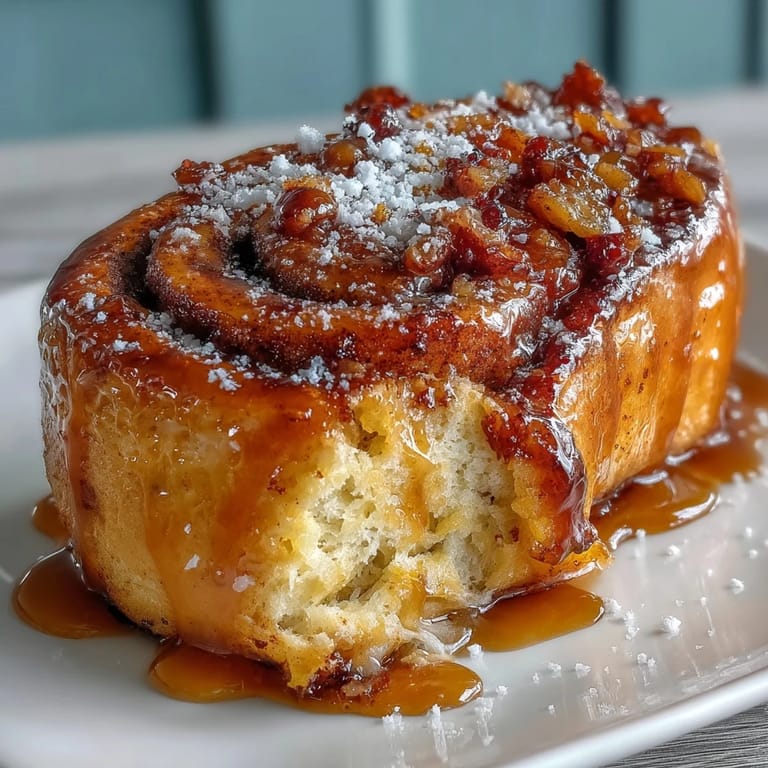
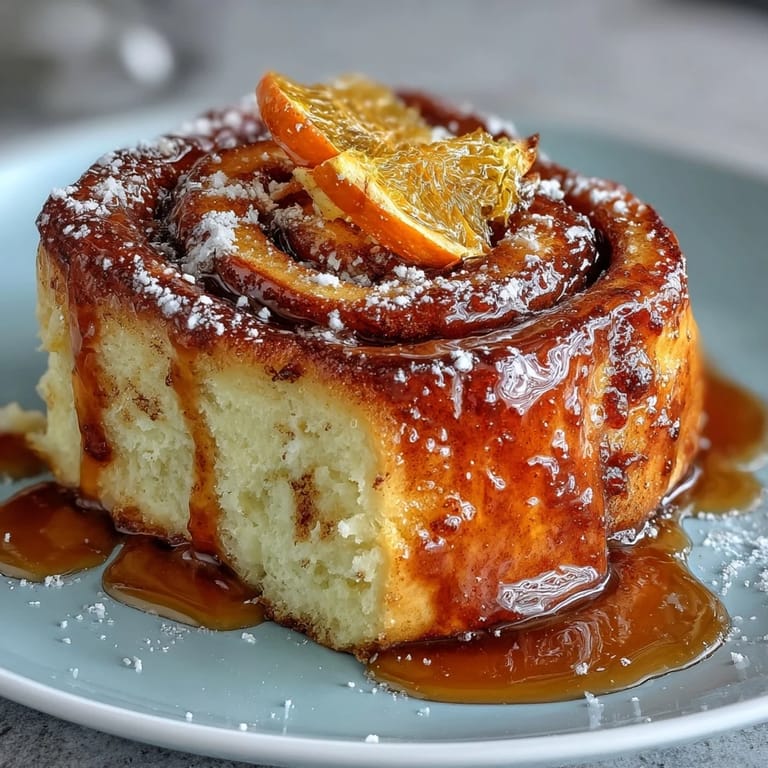
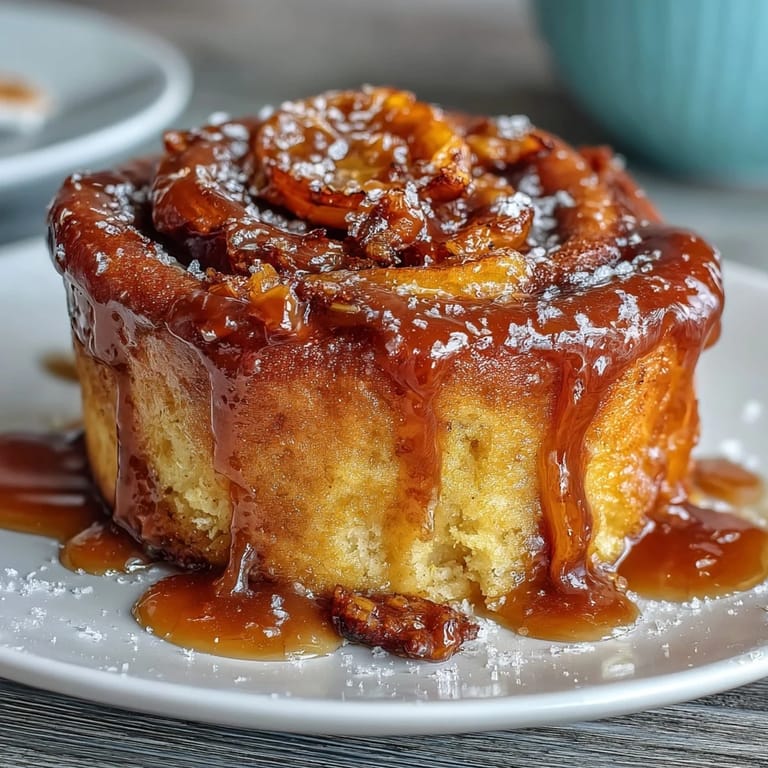
- Pull warm rolls from the oven and drizzle glaze generously over the top—it will pool slightly and soak in, creating little sweet pockets.
 Save
Save There's something almost meditative about these rolls—mixing the dough on a quiet evening, then waking to that citrus-butter perfume without any real work left to do. They've become my go-to when I want to feel like I've done something impressive without the stress, and honestly, that's when cooking feels most like a gift to myself.
Why Overnight Doughs Are Kitchen Magic
When you refrigerate dough overnight, the cold slows fermentation and lets flavors deepen—you're essentially letting time do the heavy lifting while you sleep. The butter also stays firmer, so when you bake, it creates beautiful layers rather than just blending into the dough. I've noticed that overnight rolls always taste richer and more complex than their same-day cousins, even though the ingredient list is identical.
The Secret of Fresh Citrus Zest
Orange zest is pure flavor concentrate—those tiny bits of peel hold more brightness than juice alone ever could. I learned this when I once tried substituting zest with orange juice to save time, and the rolls tasted flat and one-dimensional. Now I zest everything fresh, right before mixing, and I always use a microplane grater instead of a box grater because the pieces stay finer and distribute more evenly through the dough and filling.
Timing and Temperature Tips
The morning proof is crucial—rushing this step means dense, gummy rolls, while giving them time creates that perfect texture. I always preheat my oven a few minutes early so it's completely stable when the rolls go in, and I use my kitchen's warmest spot (usually near a sunny window in winter) for that final rise. If your house runs cool, you can even place rolls on top of your fridge, which often retains warmth from the compressor.
- If rolls seem sluggish in the morning, they're probably just cold—let them sit a few minutes longer rather than baking them too early.
- A light tent of aluminum foil during the last few minutes of baking prevents over-browning if your oven runs hot.
- These freeze beautifully for up to three weeks; wrap individually and reheat in a 300°F oven for five minutes.
 Save
Save These rolls transformed how I think about weekend hosting—they let you do the actual work when you're relaxed, then show up perfect when you need them most. That's the kind of recipe worth keeping around.
Recipe FAQs
- → Can I prepare the dough without a stand mixer?
Yes, the dough can be kneaded by hand for about 7–8 minutes until smooth and elastic, achieving similar results.
- → What is the purpose of refrigerating the rolls overnight?
Refrigeration slows fermentation, enhancing flavor complexity and making morning preparation easier with a well-risen dough.
- → Can I add spices to the filling?
A pinch of cardamom or cinnamon can be added to the filling for subtle warmth and an aromatic twist.
- → How should the rolls be served?
The rolls are delicious warm, drizzled with the orange glaze, and pair wonderfully with coffee or tea.
- → Is it possible to substitute milk in the dough?
For extra citrus flavor, substitute half of the milk with fresh orange juice without compromising texture.