 Save
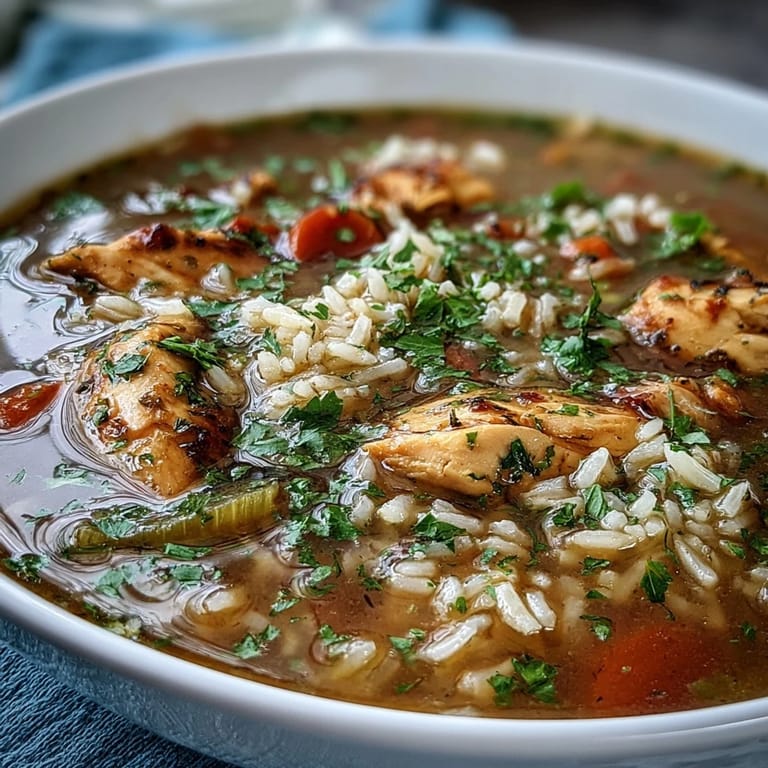
Save There's something almost meditative about standing over a pot while everything comes together in one place. I discovered this chicken and rice soup on a Tuesday when I was too tired to juggle multiple pans, and somehow that single pot became the whole story—onions softening into sweetness, broth turning golden, and chicken becoming so tender it practically melted. What started as a lazy-day solution turned into the kind of meal I now make whenever I need to feel genuinely nourished without the cleanup drama.
I made this for my neighbor last winter when she was recovering from surgery, and watching her eat an entire bowl without stopping taught me something about how the simplest food can feel like the most generous gift. She called the next day just to ask how I did it, and I realized it wasn't fancy—it was just honest.
Ingredients
- Boneless, skinless chicken breasts (2, about 400 g), cut into bite-sized pieces: These cook quickly and become wonderfully tender in the simmering broth, and cutting them into smaller pieces means they distribute throughout the soup instead of sinking to the bottom.
- Medium onion (1), finely chopped: The foundation of flavor here—when you sauté it first, it sweetens and mellows, building the savory base everything else will rest on.
- Carrots (2), peeled and sliced: They stay slightly firm while cooking, adding natural sweetness and that satisfying texture contrast in each spoonful.
- Celery stalks (2), sliced: This is the quiet ingredient that makes everything taste more developed, even though no one will call it out by name.
- Garlic cloves (3), minced: Add these after the onions soften so they release their aroma but don't turn bitter—timing here actually matters.
- Long-grain white rice (2/3 cup or 120 g), rinsed: Rinsing removes excess starch so your rice stays individual and the broth stays clear rather than cloudy.
- Low-sodium chicken broth (6 cups or 1.5 liters): Use low-sodium because you control the salt, and that matters once everything concentrates during simmering.
- Olive oil or unsalted butter (1 tablespoon): Either works depending on your mood—oil keeps it dairy-free and lighter, butter adds richness.
- Dried thyme (1 teaspoon): This herb feels like home in chicken soup, earthy and grounding without overpowering.
- Bay leaf (1): Removes before serving, but while it's in there it deepens everything subtly.
- Black pepper (1/2 teaspoon): Freshly ground tastes better than pre-ground, so if you have a mill, this is the moment to use it.
- Salt (3/4 teaspoon), or to taste: Start with this amount and adjust at the end—your taste buds are the final judge.
- Fresh parsley (2 tablespoons), chopped: Stir this in at the very end so it stays bright green and adds that fresh note that makes you feel like you actually cared about your health.
- Lemon wedges, for serving (optional): A squeeze brightens everything and cuts through the richness in the most elegant way.
Tired of Takeout? 🥡
Get 10 meals you can make faster than delivery arrives. Seriously.
One email. No spam. Unsubscribe anytime.
Instructions
- Start with the aromatics:
- Heat your oil or butter in a large pot over medium heat, then add the onion, carrots, and celery. Let them sauté for about 5 minutes, stirring now and then, until the edges of the onion start turning translucent and everything smells like dinner is actually happening.
- Wake up the garlic:
- Add your minced garlic and cook for just 1 minute—you're looking for that moment when it smells incredible but before it starts to brown, which would make it taste bitter.
- Introduce the chicken:
- Stir in your bite-sized chicken pieces and let them cook for 2 to 3 minutes until the outside loses that raw, pale look. They don't need to be cooked all the way through yet since they'll finish cooking in the broth.
- Combine everything:
- Add the rinsed rice, chicken broth, thyme, bay leaf, salt, and pepper all at once, stirring to make sure nothing sticks to the bottom. This is when you'll really see the pot coming alive.
- Let it simmer gently:
- Bring everything to a boil, then immediately turn it down to a gentle simmer and cover the pot. Cook for 20 to 25 minutes, stirring occasionally, until the rice is tender and the chicken is cooked through—you'll know because it won't fall apart when you stir.
- Clean up and taste:
- Fish out that bay leaf, then taste the soup. Add more salt or pepper if it needs it, because this is your chance to make it exactly how you like it.
- Finish with fresh herbs:
- Stir in the fresh parsley right before ladling into bowls, so it stays vibrant and reminds you that this came from real care.
 Save
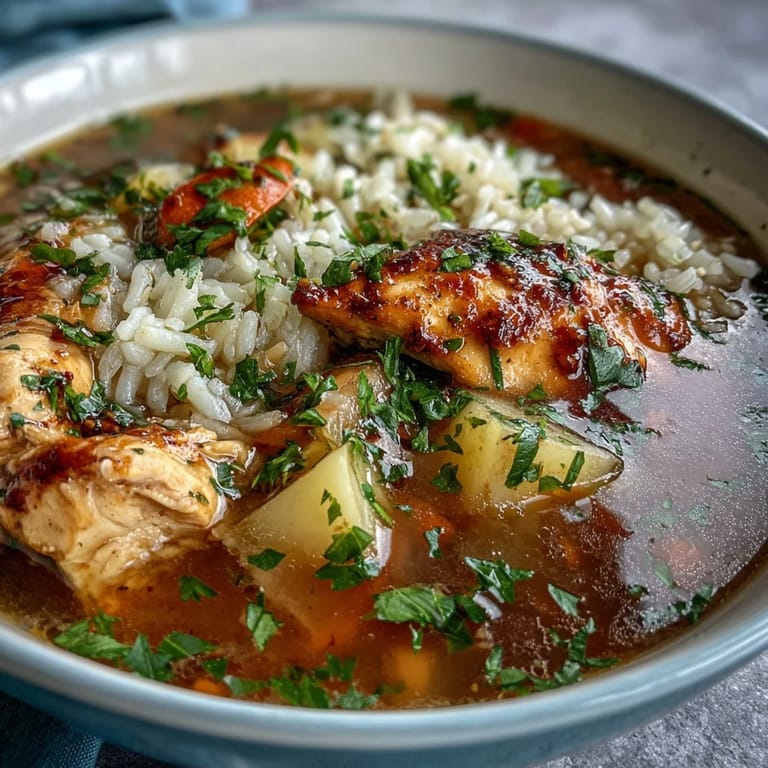
Save My daughter asked for this soup three times in one week, which told me everything I needed to know about whether it actually worked. Food that gets requested again isn't fancy or impressive—it's just real.
The Magic of One-Pot Cooking
There's a reason this style of cooking has stayed around forever: when everything cooks together, flavors actually get to know each other. The broth picks up every hint of herb and vegetable, the rice drinks in all that seasoned liquid, and the chicken becomes part of the whole story instead of just a separate protein on top. You're not trying to time three different elements—you're just managing one thing, which means you can actually pay attention and adjust as needed.
What to Do With Leftovers
This soup gets thicker as it sits because the rice keeps absorbing liquid, which some people love and others find too dense. I keep extra broth in the fridge just for reheating—it takes two minutes to warm through and suddenly it's soup again instead of rice porridge. It stays good for three days covered in the refrigerator, and honestly, it often tastes even better the next day when all those flavors have had time to become friends.
Ways to Make It Your Own
The beauty of this soup is that it doesn't mind changes—it actually welcomes them. Add spinach or kale in the last few minutes if you want something green, or throw in a Parmesan rind while it simmers for a depth that surprises you (remove it before serving). If you're in a brown rice mood, go ahead and use that instead, just add 15 to 20 extra minutes to the simmering time. You could also swap out the thyme for sage if you're feeling different, or add a splash of lemon juice at the end if you want brightness.
- Stir in chopped spinach or kale during the last 5 minutes for color and nutrients.
- A Parmesan rind simmered in the broth adds umami depth you can't quite name but absolutely taste.
- Frozen peas can go in at the very end if you want something sweet to balance the savory.
 Save
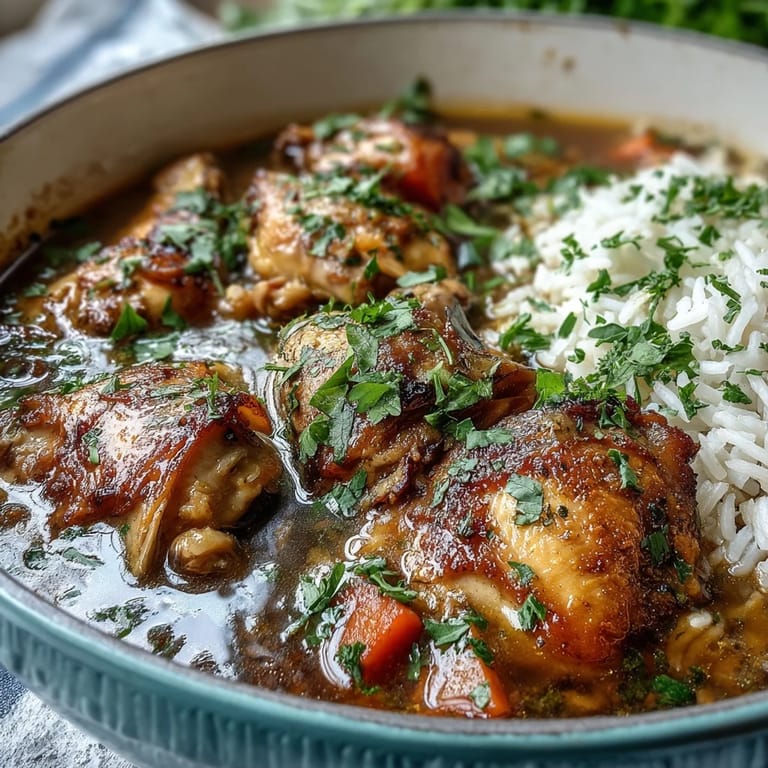
Save This soup reminds me that sometimes the best meals aren't about complexity—they're about one pot, good ingredients, and enough time to let them all become something warmer than the sum of their parts. Make it when you need it.
Recipe FAQs
- → Can I use brown rice instead of white rice?
Yes, brown rice can be substituted but requires a longer simmering time of about 15 to 20 minutes to achieve tenderness.
- → How do I prevent the soup from becoming too thick upon reheating?
Add additional broth or water when reheating to thin out the dish as the rice continues to absorb liquid over time.
- → What herbs enhance the flavor in this soup?
Dried thyme and bay leaf infuse the broth with a savory aroma. Fresh parsley added at the end brightens the flavors.
- → Is it possible to make this dairy-free?
Use olive oil instead of butter to keep the dish free from dairy ingredients.
- → Can I add leafy greens to this dish?
Yes, spinach or kale can be stirred in during the last five minutes of cooking for added nutrients and color.
- → What cooking tools are needed to prepare this dish?
A large pot or Dutch oven, a knife, cutting board, and ladle are sufficient for preparation and serving.