 Save
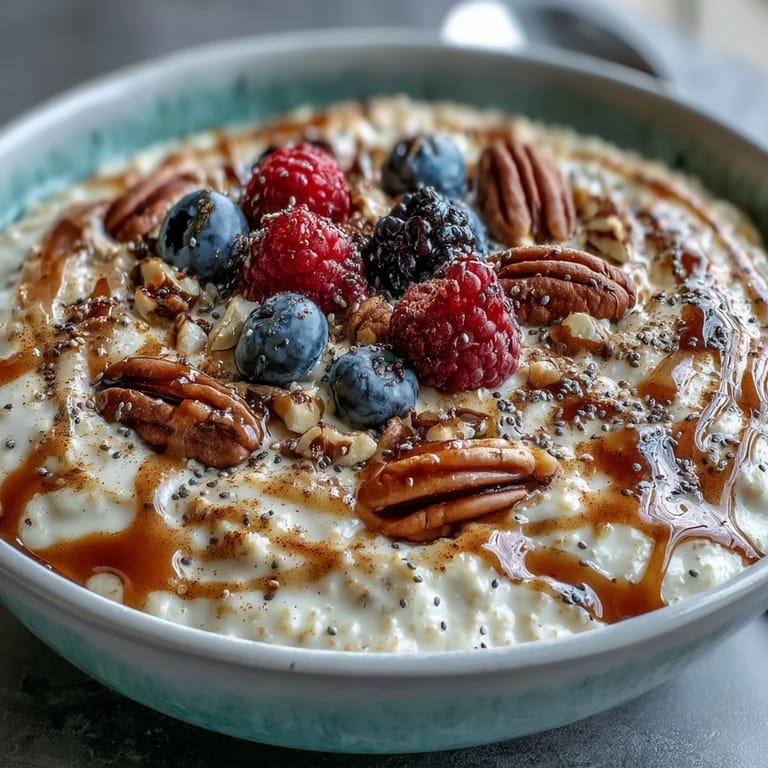
Save There's something about the smell of millet toasting in a warm saucepan that stops me mid-morning rush. My neighbor mentioned she'd been making millet porridge for years, swearing it kept her fuller longer than oatmeal ever did. Curious, I picked up a bag at the market and decided to give it a try one chilly October morning. What emerged was this golden, creamy bowl that tasted nothing like the bland grain I'd imagined—it was actually luxurious, especially when I stirred in a splash of milk and crowned it with jewel-toned berries.
I made this for my book club one Saturday morning, and honestly, it was the quiet moment everyone needed before diving into our discussion. One friend, who usually skips breakfast, went back for seconds and asked if I could email her the recipe right then. It became our standing invitation—whenever I host, someone inevitably texts, "Are you making the millet thing?" There's something about sharing a warm bowl that builds real connection.
Ingredients
- Millet: This ancient grain cooks into something almost creamy without any cream, and rinsing it first removes any dusty coating that can taste slightly bitter.
- Water and milk: The combination of both creates a porridge that's neither too thick nor too thin—start with these amounts and adjust based on how you like your texture.
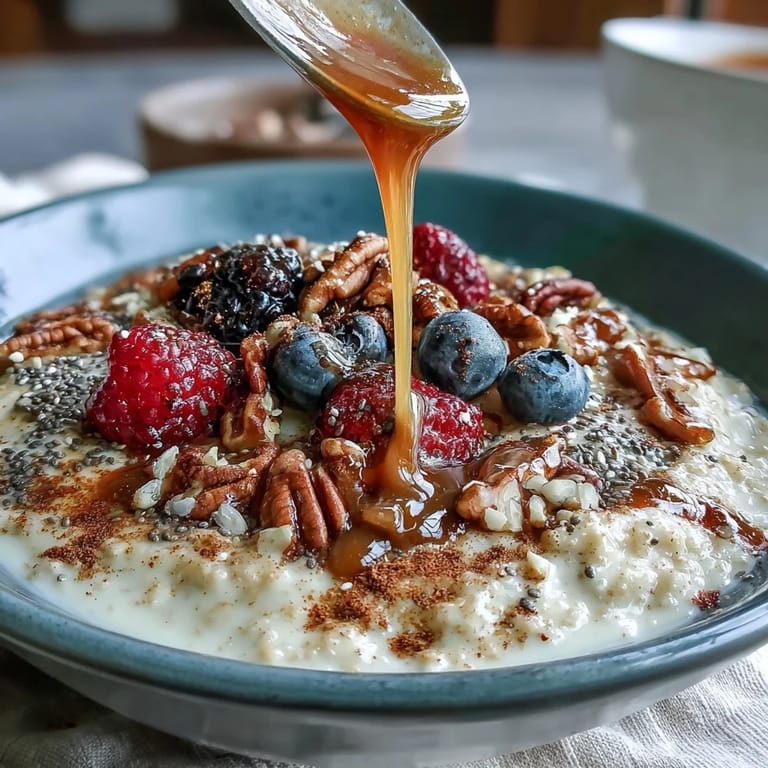
- Maple syrup or honey: Add this at the end so it dissolves evenly and doesn't caramelize on the bottom of the pan.
- Ground cinnamon, nutmeg, and cardamom: These three together create a warmth that feels almost meditative—don't skip the cardamom, it's the secret note that makes people ask what you did differently.
- Mixed berries: Fresh or frozen work equally well, though frozen berries add a cooling contrast if you warm them gently first.
- Nuts and seeds: These are optional but they add a textural moment that makes each spoonful interesting.
Tired of Takeout? 🥡
Get 10 meals you can make faster than delivery arrives. Seriously.
One email. No spam. Unsubscribe anytime.
Instructions
- Rinse and start the base:
- Rinse your millet under cool water—you'll notice how the grains shine once they're clean. In a medium saucepan, combine the rinsed millet with water and a tiny pinch of salt, then bring it to a boil over medium-high heat.
- Simmer gently:
- Once it's bubbling, lower the heat to a gentle simmer, cover with a lid, and let it cook for about 15 minutes, stirring occasionally so nothing sticks to the bottom. You'll notice the water slowly disappearing and the millet starting to soften.
- Introduce the milk and spices:
- Pour in your milk—whether dairy or plant-based—and sprinkle in the cinnamon, nutmeg, and cardamom. Stir everything together, cover again, and cook for another 10 minutes until the millet becomes creamy and tender.
- Sweeten and taste:
- Remove the pan from heat and stir in your maple syrup or honey. Taste it now and adjust the sweetness if needed—this is your moment to make it perfect for your palate.
- Plate and top:
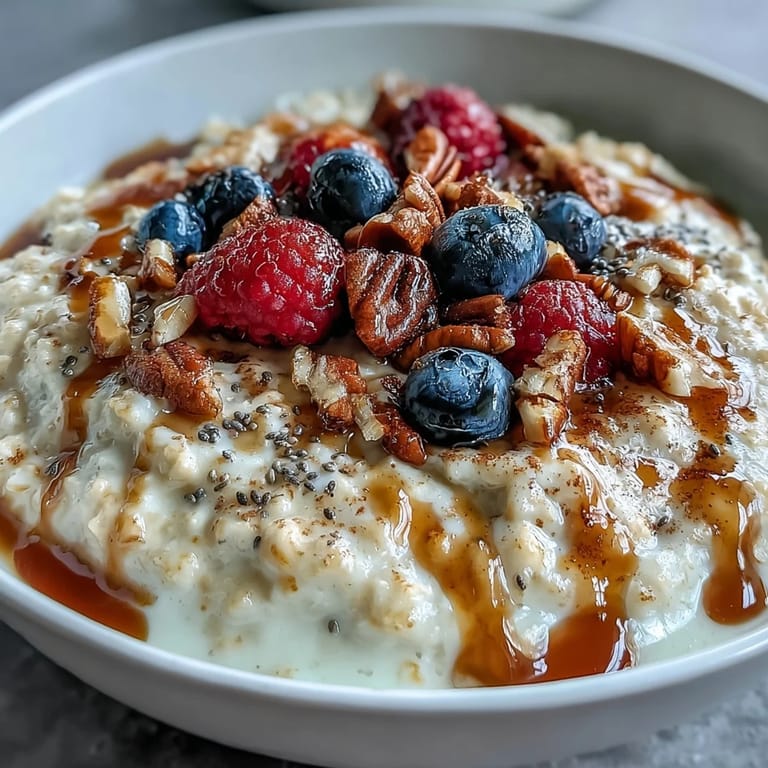
- Spoon the warm porridge into bowls and scatter your berries, nuts, and seeds across the top. The warmth of the porridge will soften the berries slightly while keeping them vibrant.
 Save
Save My daughter, who usually refuses anything she considers "healthy," asked for this three mornings in a row—not because I tricked her, but because it genuinely tastes like comfort. That moment when a child chooses something nourishing without being prompted taught me that good food speaks for itself.
The Magic of Millet
Millet doesn't get the attention it deserves in modern kitchens, maybe because we're so used to oats and quinoa. But this tiny grain has been feeding civilizations for thousands of years, and once you taste how creamy it becomes without needing much fat, you'll understand why. It's naturally mild, which means it won't fight the spices you're adding—instead, it becomes a canvas for warmth and flavor.
Spice Layering Secrets
The way cinnamon, nutmeg, and cardamom work together is almost mathematical—cinnamon brings sweetness and familiarity, nutmeg adds depth and earthiness, and cardamom brings this floral, almost mysterious brightness that ties everything together. I learned this the hard way by trying different combinations until I found the ratio that felt balanced. The key is adding them with the milk rather than at the beginning, so they infuse gently into the finished porridge rather than cooking down too much.
Making It Your Own
This recipe is genuinely flexible, and that's part of its charm. Some mornings I skip the cardamom and add a touch of vanilla instead; other times I'll use finely grated ginger instead of nutmeg. The berries can rotate with the seasons—I use whatever looks vibrant at the market. Here's what really matters to make this recipe work for you:
- Don't rush the initial simmering phase, because that's when the millet absorbs water and begins to soften into creaminess.
- Taste as you go with sweetness—some mornings you might want more honey, other mornings less, depending on the berries and your mood.
- Remember that this porridge keeps well in the refrigerator for 3 days and reheats beautifully with a splash of milk stirred in.
 Save
Save This breakfast has become my answer to mornings that need something gentle and grounding. It fills you up, settles your stomach, and somehow makes everything that comes after feel more manageable.
Recipe FAQs
- → Is millet porridge gluten-free?
Yes, millet is naturally gluten-free, making this porridge suitable for those with celiac disease or gluten sensitivity. Always verify that your millet is certified gluten-free if cross-contamination is a concern.
- → Can I make this ahead of time?
Absolutely. The porridge stores well in the refrigerator for up to 4 days. Reheat with a splash of milk to restore creaminess, and add fresh berries just before serving.
- → What milk works best in this porridge?
Any milk works beautifully—dairy milk creates richness, while oat, almond, or coconut milk offer plant-based alternatives. Coconut milk adds extra creaminess and subtle sweetness.
- → Why rinse millet before cooking?
Rinsing removes millet's natural bitter coating called saponin. A quick rinse under cold water ensures a clean, mild flavor that lets the spices and berries shine.
- → Can I use frozen berries?
Yes, frozen berries work perfectly. Gently warm them in a small pan before topping to release their juices and enhance their natural sweetness.
- → How do I know when millet is fully cooked?
The millet should be tender and creamy, with most of the liquid absorbed. If it still feels crunchy or has a hard center, continue cooking with additional liquid in 2-minute intervals.