 Save
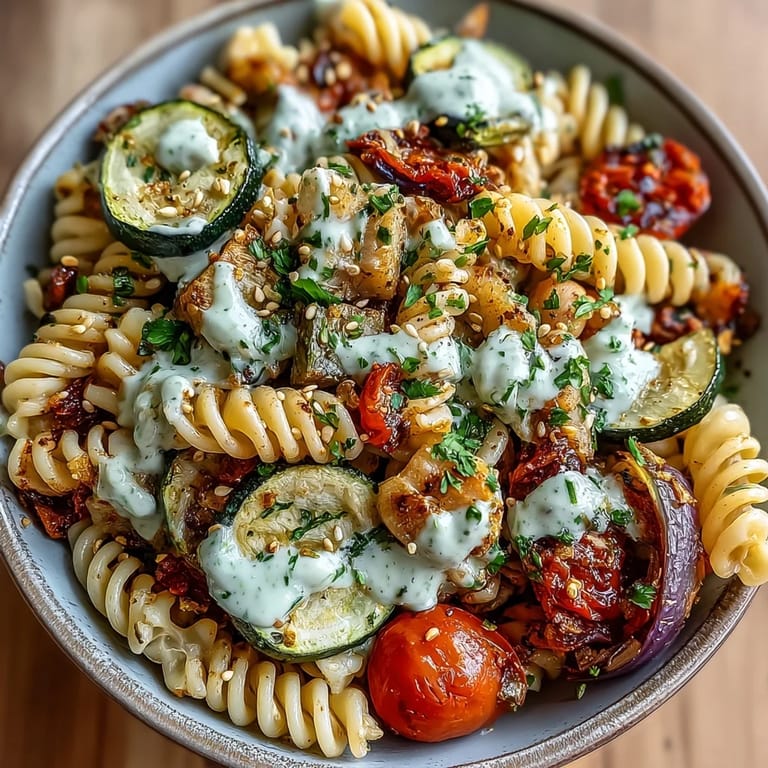
Save My friend texted me one Tuesday asking for something filling but light, and I found myself pulling out chickpea pasta for the first time. The box sat on my counter for weeks before that moment, intimidating in its unfamiliarity, until she needed feeding. What emerged from that spontaneous cooking session was so vibrant and satisfying that I've made it countless times since, each bowl a little different depending on what's in my crisper.
I made this for a potluck once where everyone brought something heavy and creamy, and this bright, grounded bowl somehow became the thing people kept coming back to. One guest asked for the recipe right there at the table, pen in hand, and I realized it wasn't about being fancy—it was about how the flavors actually made you feel awake and nourished at the same time.
Ingredients
- Chickpea pasta: This stuff is nothing like regular pasta in the best way—it's denser, nuttier, and holds sauce beautifully while keeping you satisfied longer.
- Zucchini: It roasts down and gets slightly caramelized at the edges, losing that watery quality it sometimes has raw.
- Red bell pepper: The natural sweetness intensifies in the oven, creating little pockets of richness throughout the bowl.
- Red onion: Slicing it thin means it softens just enough to lose its harsh bite without disappearing entirely.
- Cherry tomatoes: Halving them prevents them from rolling around and lets the heat concentrate their flavor.
- Olive oil: Don't skimp here—it's what coaxes out the vegetable flavors and creates those golden, slightly crispy edges.
- Smoked paprika: This ingredient is the secret—it adds depth that makes people ask what that smoky something is.
- Tahini: Raw tahini works, but roasted tahini has a deeper, more forgiving flavor if you're new to it.
- Lemon juice: Fresh is non-negotiable; it brightens the sauce and prevents it from tasting heavy.
- Maple syrup: Just a touch balances the tahini's earthiness and the lemon's bite without making it dessert.
- Warm water: Temperature matters—cold water makes the sauce seize up and become grainy.
- Garlic: Minced fine so it distributes evenly through the sauce instead of hitting you in unexpected chunks.
- Fresh parsley: The final scattered handful is your permission to taste something green and alive.
- Sesame seeds: Optional but they add a toasted crunch that makes the whole thing feel intentional.
Tired of Takeout? 🥡
Get 10 meals you can make faster than delivery arrives. Seriously.
One email. No spam. Unsubscribe anytime.
Instructions
- Heat your oven and prep:
- Get the oven to 220°C and line a baking sheet—this prevents sticking and makes cleanup less of a grudge. Parchment paper is your friend here.
- Season and spread the vegetables:
- Toss everything in that big bowl with oil and spices until it looks evenly coated, then spread it out single layer on the sheet. Don't overcrowd it; they need space to actually roast instead of steam.
- Roast until golden:
- Twenty to twenty-five minutes, stirring halfway through so the pieces on the edges don't turn to charcoal. You're looking for edges that are slightly caramelized and flesh that gives a little when you poke it.
- Cook the pasta:
- Follow the box instructions but taste it a minute early—chickpea pasta can go from al dente to mushy faster than regular pasta. Drain it and set it aside, but don't rinse it; that starch helps the sauce cling.
- Make the tahini sauce:
- Whisk tahini with lemon juice, maple syrup, minced garlic, and a pinch of salt, then slowly add warm water while whisking until it's pourable but still substantial. If it breaks and looks grainy, you've either gone too fast with the water or the water was too cold—start over with a fresh spoonful of tahini and add water more gradually.
- Combine everything:
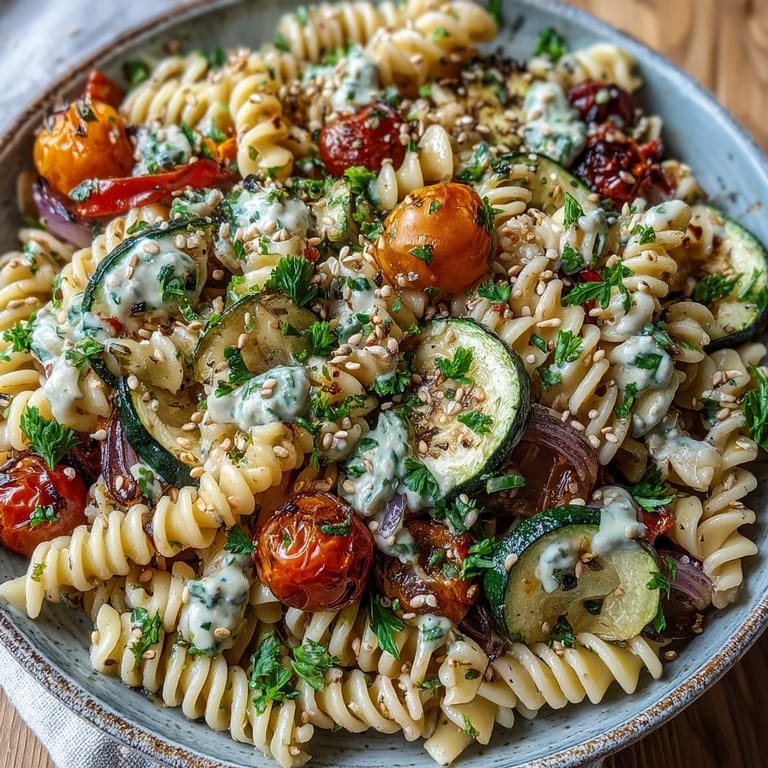
- Toss the warm pasta and roasted vegetables together gently in that large bowl, then drizzle the sauce over and fold everything together. The warmth helps the sauce coat everything evenly.
- Serve and garnish:
- Divide into bowls and scatter parsley and sesame seeds over top just before eating. The garnish isn't decoration—it adds freshness and texture that matters.
 Save
Save There was an evening when I made this bowl for myself after a long day, ate it standing at the counter, and realized I'd been too tired to sit down properly but the food had made me feel human again anyway. That's when it shifted from being a recipe I made to something I reached for when I needed to feel taken care of by my own hands.
Why This Pasta Matters
Chickpea pasta isn't just a swap for regular pasta—it's a different experience entirely. The protein and fiber density means your blood sugar doesn't spike and crash the way it does with white flour, and you stay satisfied for hours afterward. I've noticed that when I eat this, I'm not hunting for snacks three hours later, which matters more than the nutritional numbers ever could on paper.
Vegetables as the Real Star
Roasting transforms vegetables in a way that nothing else does—the dry heat concentrates flavors instead of diluting them like boiling would. The slightly caramelized edges aren't just prettier; they taste sweeter and more complex, like the vegetable realized its full potential. Once you've tasted vegetables roasted this way, you'll start doing it for everything.
Making It Your Own
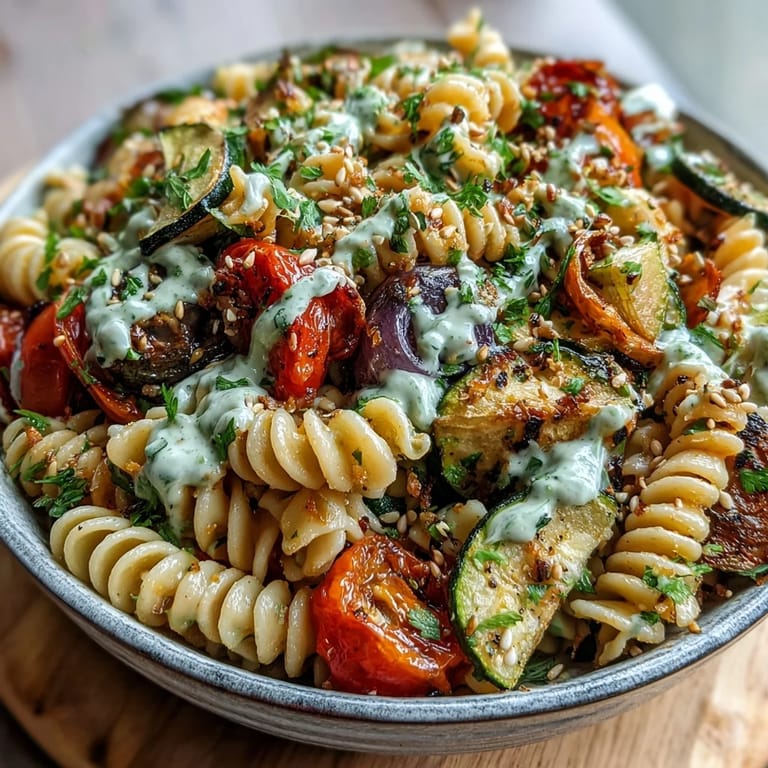
This bowl is endlessly flexible once you understand the formula: sturdy pasta, roasted vegetables, creamy sauce, bright garnish. Winter versions might include broccoli and Brussels sprouts, while summer brings eggplant and zucchini flowers if you're feeling fancy. The tahini sauce is the glue that holds any combination together, so nail that and everything else falls into place.
- Add cooked chickpeas or grilled tofu cubes if you want the protein content even higher.
- Swap maple syrup for agave or even a pinch of honey if you have it on hand.
- Make extra sauce because people will want to drizzle it on everything once they taste it.
 Save
Save This bowl has become my answer when someone asks what to eat when you want to feel good afterward. Make it once and it stops being a recipe and starts being something you know by heart.
Recipe FAQs
- → Is chickpea pasta gluten-free?
Most chickpea pasta brands are naturally gluten-free, made solely from chickpea flour. However, always check packaging as some manufacturers process facilities that also handle wheat products.
- → Can I make this ahead?
The roasted vegetables and pasta store well for 3-4 days when refrigerated in airtight containers. Keep the tahini sauce separate and add just before serving to maintain optimal texture.
- → What vegetables work best?
Hardy vegetables that roast well are ideal. Try eggplant, broccoli florets, cauliflower, sweet potato cubes, or Brussels sprouts. Softer vegetables like tomatoes should be added halfway through roasting.
- → How do I prevent tahini sauce from separating?
Whisk vigorously while gradually adding warm water. If separation occurs, add another teaspoon of warm water and continue whisking until smooth and emulsified.
- → Can I add more protein?
Canned chickpeas, grilled tofu cubes, tempeh, or even shredded chicken all complement this dish beautifully. Add your protein source during step 6 when tossing everything together.