 Save
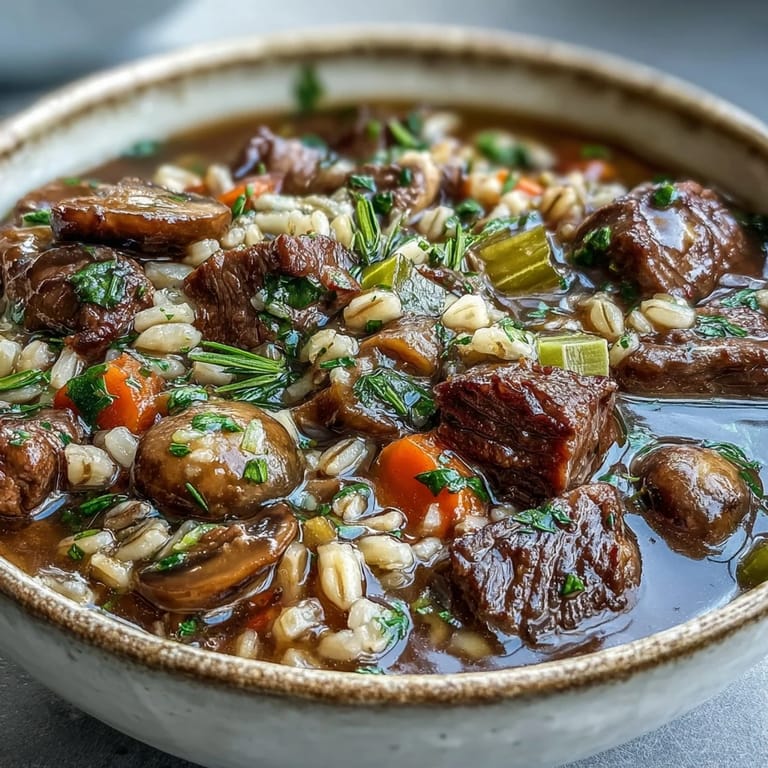
Save The first time I made this vegetable beef soup, snowflakes were dancing outside my kitchen window, transforming the backyard into a winter wonderland. There's something magical about the aroma of beef and vegetables slowly simmering while barley plumps up, absorbing all those rich flavors. My tiny apartment filled with a warmth that went beyond temperature - the kind that wraps around you like a familiar blanket. As I stirred the pot, watching the steam rise in delicate swirls, I knew this would become one of my cold-weather traditions.
Last winter, my neighbor John was recovering from surgery, and I brought over a container of this soup with some crusty bread. Weeks later, he confessed he'd dreamed about that soup twice and finally had to ask for the recipe. We laughed about how food memories can be so powerful, especially when you're feeling vulnerable. Now whenever I make a batch, I always set aside a portion for him - our little neighborhood tradition that started from that first shared meal.
Ingredients
- Beef stew meat: Look for meat with good marbling as those little streaks of fat melt during cooking, creating rich flavor pockets throughout the broth.
- Pearl barley: Don't skip rinsing it - I once did and found the soup slightly cloudy with a hint of starchiness that wasn't ideal.
- Cremini mushrooms: These brown beauties have a deeper, earthier flavor than white button mushrooms, though either works wonderfully in this recipe.
- Bay leaf: It may seem insignificant, but I made this once without it and immediately noticed something was missing from the flavor profile.
- Beef broth: Quality matters here as it's the foundation of your soup - I've learned homemade is best, but a good store-bought option with minimal additives works nearly as well.
Tired of Takeout? 🥡
Get 10 meals you can make faster than delivery arrives. Seriously.
One email. No spam. Unsubscribe anytime.
Instructions
- Brown that beef properly:
- Take your time here - don't crowd the pan and let each piece develop a deep golden crust before turning. That beautiful caramelization creates flavor compounds that will infuse your entire soup.
- Build your flavor base:
- When you sauté the onions, carrots and celery in the same pot that held the beef, scrape up all those brown bits stuck to the bottom - that's concentrated flavor gold right there.
- Let mushrooms do their thing:
- Give mushrooms enough space and time to release their moisture and then begin to brown. You'll know they're ready when they shrink considerably and the sizzling sound changes.
- Time for aromatics:
- Garlic burns quickly, which is why it goes in after the other vegetables have softened. You'll know it's perfectly done when the kitchen fills with that irresistible fragrant aroma.
- The slow simmer magic:
- This isn't a recipe to rush - that gentle bubble beneath the lid transforms tough beef into tender morsels while barley slowly expands, drinking in all the savory goodness around it.
- The final uncovered simmer:
- This step concentrates the broth slightly and ensures perfect texture. The soup should coat the back of a spoon without being too thick or stew-like.
 Save
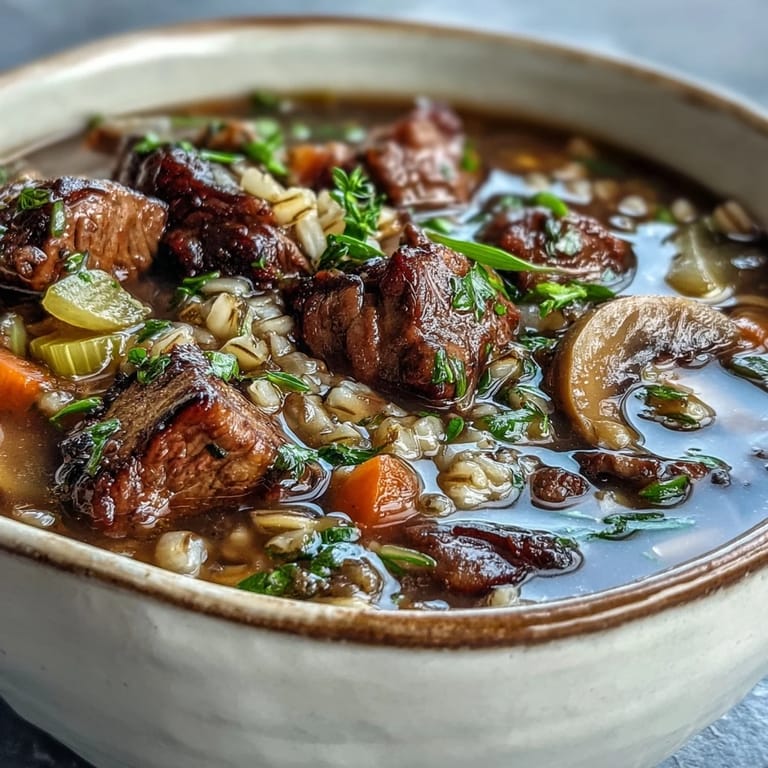
Save My brother stopped by unexpectedly one evening as this soup was simmering away. He took one step inside, closed his eyes and inhaled deeply before saying, "This smells like home." We hadn't grown up with this exact recipe, but something about the blend of herbs, beef, and vegetables triggered that sense of belonging we all crave. We ended up talking for hours at my kitchen table, steam from our bowls fogging up his glasses, connecting over memories while creating new ones around this hearty meal.
Storing and Freezing
The barley continues absorbing liquid even after cooking, so when storing leftovers in the refrigerator, I've learned to separate portions I plan to eat within 2-3 days from those I'll freeze. The refrigerated soup thickens considerably - sometimes I add a splash of broth when reheating to restore the original consistency, though my husband actually prefers the thicker day-two texture. When freezing portions, I leave about an inch of headspace in containers to allow for expansion.
Making It Your Own
Sometimes I play with this recipe depending on what my garden is offering or what mood I'm in. During summer, I might add fresh green beans in the last fifteen minutes or swap the potato for sweet potato in autumn for a subtle sweetness. My vegetarian daughter loves when I make her a separate batch using mushroom broth and extra portobello mushrooms in place of the beef - the earthiness of multiple mushroom varieties creates surprising depth. The soup becomes a canvas for seasonal inspiration, always recognizable but never exactly the same twice.
Serving Suggestions
This soup deserves good company on the table, transforming from a simple meal to something that feels special with thoughtful accompaniments. I've served it with everything from rustic sourdough to fluffy herb biscuits, but my absolute favorite pairing is a slice of Irish soda bread slathered with salted butter - something about the slightly sweet, dense texture against the savory soup creates perfect harmony.
- For a complete meal, serve alongside a simple green salad dressed with lemon vinaigrette - the brightness cuts through the richness of the soup beautifully.
- A glass of medium-bodied red wine like Merlot or Chianti complements the beef and mushroom flavors without overwhelming them.
- If serving for guests, consider small bowls of toppings like freshly grated Parmesan, chopped fresh herbs, or a swirl of good olive oil for everyone to customize their bowl.
 Save
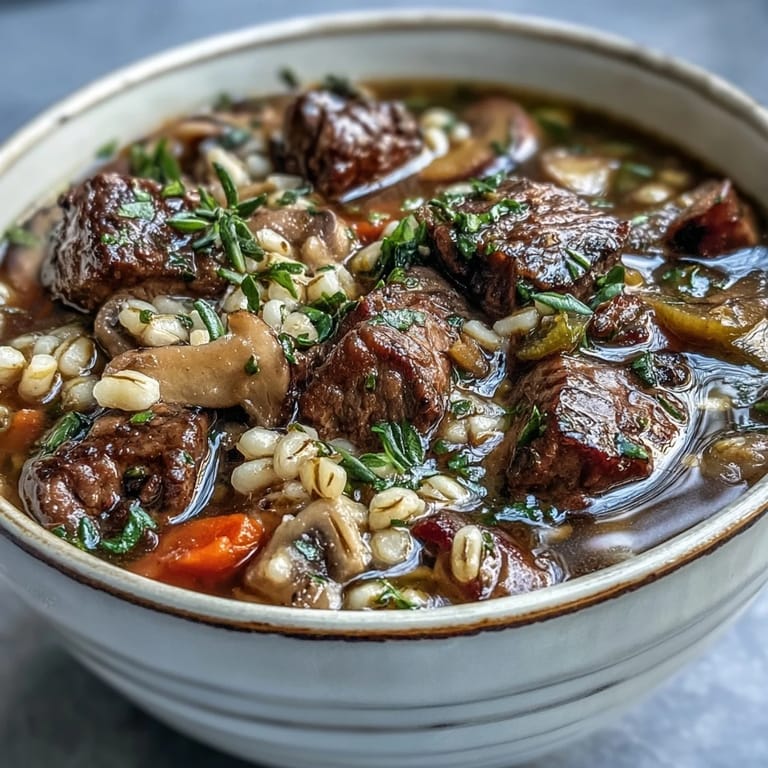
Save This soup has become my kitchen ambassador, speaking a universal language of comfort that needs no translation. Whether shared with friends during game night or delivered to a new parent too exhausted to cook, it never fails to communicate what sometimes words cannot.
Recipe FAQs
- → How long does barley take to cook in soup?
Pearl barley typically requires 45-60 minutes of simmering to become tender. The slow cooking allows it to release starch, naturally thickening the soup while developing a pleasant, chewy texture.
- → Can I make this ahead of time?
Absolutely. This soup actually tastes better the next day as flavors continue to develop. Store in the refrigerator for up to 4 days or freeze for 3 months. The barley may absorb more liquid, so add extra broth when reheating.
- → What cut of beef works best?
Chuck or stew meat with some marbling is ideal as it becomes tender during long simmering. Lean cuts may become tough. Browning the meat first adds depth and richness to the finished bowl.
- → Is this suitable for freezing?
Yes, freeze in portion-sized containers for up to 3 months. Thaw overnight in the refrigerator and reheat gently on the stovetop, adding additional broth if needed as the barley continues to absorb liquid.
- → Can I use quick-cooking barley instead?
Pearl barley provides the best texture, but quick barley works in a pinch. Add it during the last 15-20 minutes of cooking and adjust timing accordingly. The texture will be slightly less creamy but still enjoyable.
- → What vegetables can I add or substitute?
Try parsnips, turnips, or rutabaga for earthy sweetness. Leafy greens like kale or spinach add nutrition and color. Green beans or peas work well too. Adjust cooking times based on the vegetables you choose.