 Save
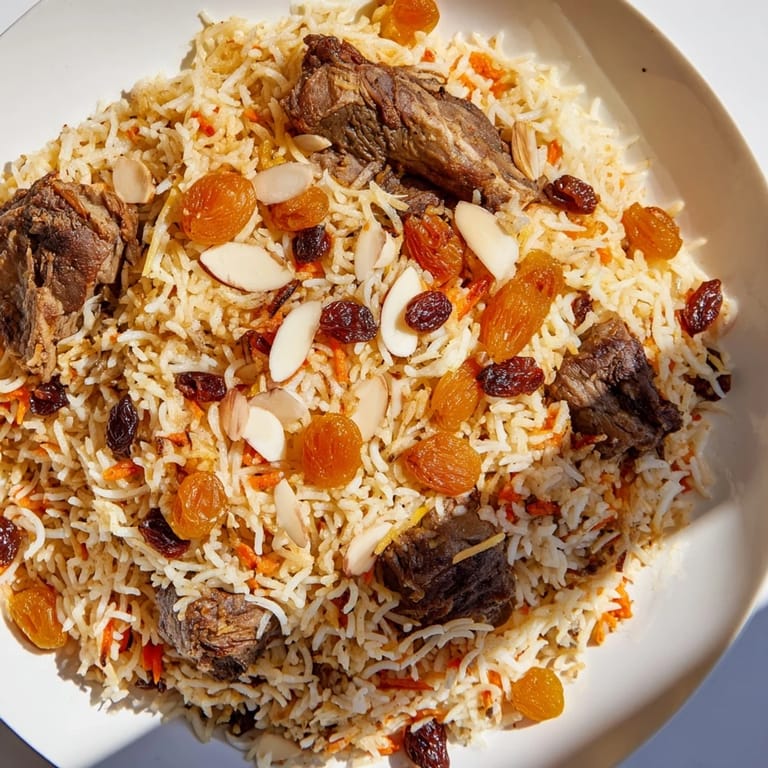
Save The first time I made kabsa, my kitchen filled with a fragrance so layered and complex that my partner kept wandering in asking what smelled so incredible. It wasn't just one spice singing out—it was the whole orchestra of cumin, cardamom, cinnamon, and cloves building something warm and deeply comforting. I'd been intimidated by the ingredient list, thinking it seemed fussy for a rice dish, but that day taught me that what looked complicated on paper was actually just patience and a heavy pot working together. This is the kind of dish that transforms an ordinary evening into something that feels celebratory without needing an occasion.
I made this for a small dinner party on a cold evening, and what struck me most wasn't the compliments—though there were plenty—but how people slowed down while eating. Nobody rushed. There was this natural quiet that happens when food tastes genuinely nourishing, when every bite feels intentional. One guest asked for the recipe, and I realized then that some dishes carry their own kind of hospitality.
Ingredients
- Bone-in lamb or chicken pieces (1 kg): The bones aren't just flavor—they create a rich, silky broth that becomes the soul of your rice, so don't swap for boneless meat.
- Vegetable oil (1 tbsp): Just enough to get the onions golden without making the whole dish greasy.
- Large onion, finely sliced: This is your flavor foundation—the sweetness comes from caramelizing it properly, so don't rush this step.
- Garlic, minced (3 cloves): Adds a gentle punch that builds under the spices rather than shouting over them.
- Ground cumin (2 tsp): Warm and earthy, this is what gives kabsa its recognizable backbone.
- Ground coriander (2 tsp): Brings a subtle citrus note that brightens everything without being obvious about it.
- Ground cinnamon (1 ½ tsp): Trust this—cinnamon in savory rice is traditional and it creates an almost imperceptible sweetness that hooks people.
- Ground black pepper (1 ½ tsp): Not just seasoning; it's part of the spice architecture and should be generous.
- Ground turmeric (1 tsp): Gives the rice its warm golden hue and adds an earthy undertone.
- Ground cardamom (1 tsp): This one's precious—it has this floral, almost minty complexity that you'll notice in the best way.
- Ground cloves (½ tsp): A little goes a long way, but it's essential for that authentic deep flavor.
- Ground allspice (½ tsp): Just a whisper of warm spice that ties everything together.
- Dried bay leaves (2) and dried black lime (1, pierced): These are the secret weapons that make people think you spent hours on this—the black lime especially adds a haunting subtle tanginess.
- Medium tomatoes, chopped (2), and medium carrot, grated: Vegetables cook down into the broth, adding body and natural sweetness without texture that could interfere with the rice.
- Basmati rice, rinsed and soaked (3 cups): Rinsing removes starch so your rice stays separate and fluffy, and soaking means it cooks evenly without becoming mushy.
- Chicken or lamb stock (5 cups): Use homemade if you can—it's the difference between good and unforgettable.
- Golden raisins (½ cup): Scattered over the rice, they add pockets of sweetness and a beautiful visual contrast.
- Slivered almonds, toasted (½ cup): Toasting them yourself brings out their sweetness and adds a crucial textural crunch.
- Fresh parsley and salt to taste: The parsley is optional but it adds brightness and a fresh herbal note that cuts through the richness.
Tired of Takeout? 🥡
Get 10 meals you can make faster than delivery arrives. Seriously.
One email. No spam. Unsubscribe anytime.
Instructions
- Get Your Aromatics Going:
- Heat the oil over medium-high heat and add your sliced onion, letting it cook until the edges turn golden and the kitchen smells sweet. This takes about 8 minutes and you'll want to stir occasionally so it caramelizes evenly without burning.
- Build the Flavor Base:
- Add your minced garlic and cook just until you can smell it—about a minute—then add the meat pieces and let them brown on all sides, which takes roughly 8 minutes total. This develops a crust that locks in flavor.
- Bloom the Spices:
- Now add all those spices, bay leaves, and that precious black lime, stirring constantly for 1 to 2 minutes until the kitchen smells like a spice market and the mixture looks dark and fragrant. This step matters—you're waking up the oils in the spices.
- Add the Vegetables:
- Stir in your chopped tomatoes and grated carrot, cooking for about 5 minutes until they start to break down and marry with the spices. You'll notice the whole pot starting to smell like something special.
- Braise the Meat:
- Pour in your stock, bring everything to a boil, then immediately lower the heat, cover, and let it simmer gently for 35 to 40 minutes if using chicken or 60 minutes for lamb, until the meat is so tender it nearly falls apart. This is where patience turns humble ingredients into something luxurious.
- Prepare for the Final Act:
- Once the meat is tender, carefully remove it to a warm plate, keeping it aside while you finish the rice. The broth now carries all that meat flavor.
- Combine Rice and Broth:
- Stir your drained soaked rice and a pinch of salt into the broth, then nestle the meat back into the pot, distributing it evenly. Scatter the raisins over the top—they'll plump up as they cook.
- Cook the Rice to Perfection:
- Cover the pot and reduce heat to low, cooking for 25 to 30 minutes until the rice is tender, fluffy, and has absorbed all the liquid. Resist the urge to peek—every time you lift that lid, you're letting out heat.
- The Grand Finale:
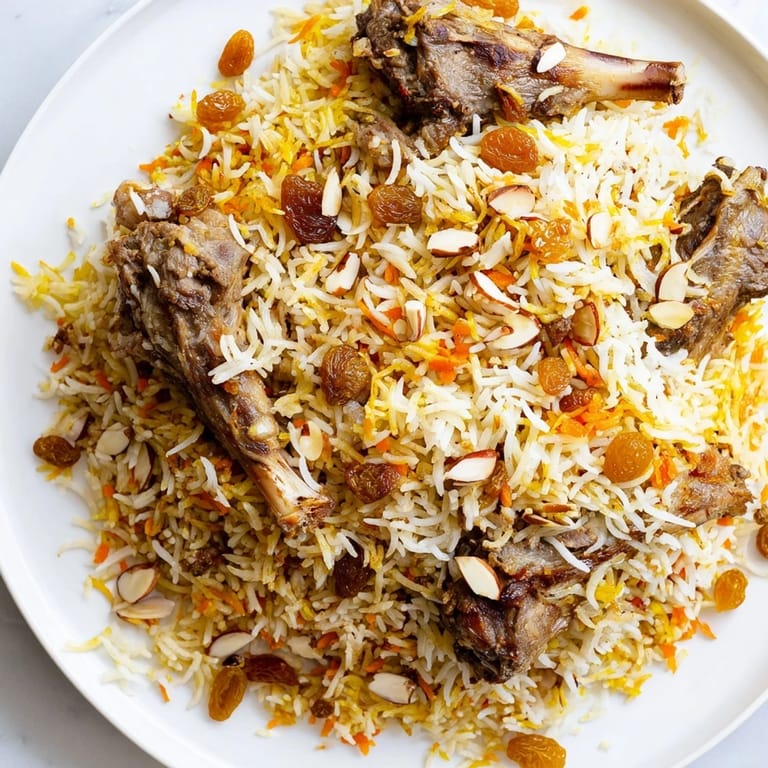
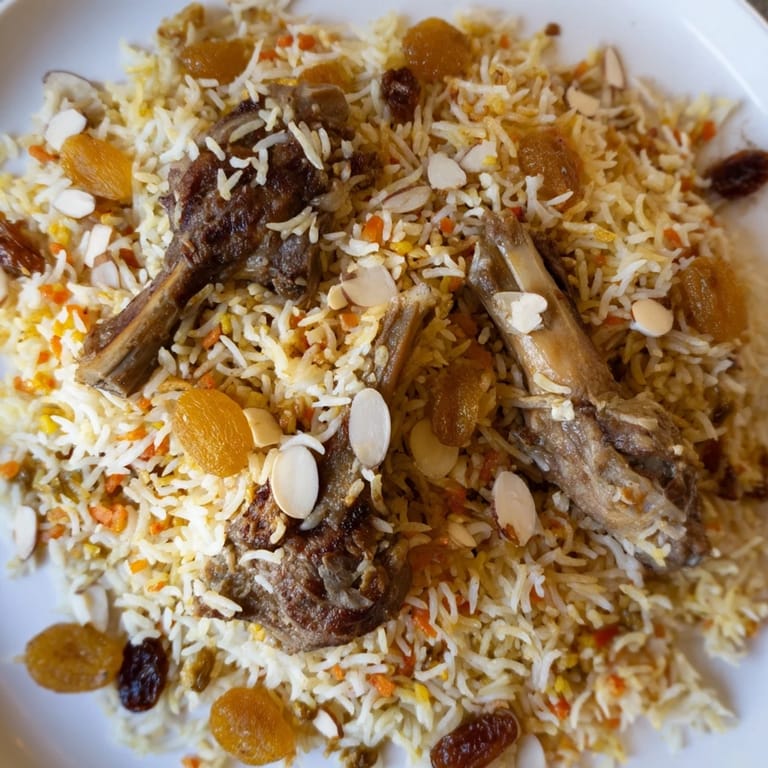
- Remove the bay leaves and black lime, then gently fluff everything with a fork, being careful not to break the grains. Transfer to a beautiful platter and shower it with your toasted almonds and fresh parsley.
 Save
Save What I love most about kabsa is that it's never just dinner—it's an excuse to gather people around something warm and fragrant. The way it brings everyone to the table is almost as important as how it tastes.
About the Spices
The first time I made this, I almost bought pre-mixed spice blends, but something made me buy them individually instead. That decision changed everything. Whole spices toasted in a dry pan for 30 seconds before grinding would be even better, but ground spices work beautifully too—just make sure they're fresh. I've learned that spices lose their potency sitting in the cupboard, so if yours have been there longer than a year, they might be working overtime without actually doing much. The beauty of kabsa is that these spices aren't meant to be obvious individually—they're supposed to blend into something that's warm and embracing, like a scarf wrapped around you on a cool evening.
Choosing Your Meat
Lamb is traditional and creates a richer, deeper broth, but chicken makes this lighter and more weekday-friendly. I've made it both ways and honestly prefer switching between them depending on my mood and the season. Beef would work too if that's what you have on hand—just know it'll need the full 60 minutes of cooking time like lamb. The bones are your secret weapon no matter what you choose, so keep them in.
Making It Your Own
Once you've made this a couple of times, you'll start understanding how it works and where you can play. I've added dried apricots instead of raisins on occasion, or extra almonds because I'm that person. Some versions include a handful of fresh mint stirred in at the end, which adds brightness. The core technique stays the same—caramelize, bloom the spices, braise the meat, cook the rice in that precious broth—but the little personalization is where it becomes yours.
- If you have rose water, a teaspoon stirred into the finished rice adds an unexpected floral elegance that's very Middle Eastern.
- Toast your almonds in a dry pan while the rice cooks—it only takes a couple of minutes and the flavor difference is noticeable.
- Serve with cooling yogurt on the side and a simple tomato-cucumber salad to cut through the richness.
 Save
Save Kabsa feels fancy but it's actually forgiving and intuitive once you've made it once. It's the kind of dish that makes you feel capable in the kitchen and makes everyone who eats it feel cared for.
Recipe FAQs
- → What type of meat works best for this dish?
Bone-in lamb or chicken pieces provide rich flavor and tender texture, enhancing the overall dish.
- → How important are the spices in this preparation?
The spices such as cumin, coriander, cardamom, and black lime are essential, contributing depth and aromatic complexity.
- → Can this dish be made without black lime (loomi)?
Yes, loomi adds authentic tangy notes but can be omitted without compromising the core flavors.
- → What is the purpose of toasting the almonds and raisins?
Toasting almonds enhances their crunch and flavor, while raisins add subtle sweetness that balances the spices.
- → How should the rice be prepared before cooking?
Rinsing and soaking basmati rice helps achieve fluffy texture and ensures even cooking alongside the meat and spices.
- → Is this dish suitable for a halal diet?
Yes, the dish uses halal meats and ingredients, aligning with halal dietary requirements.