 Save
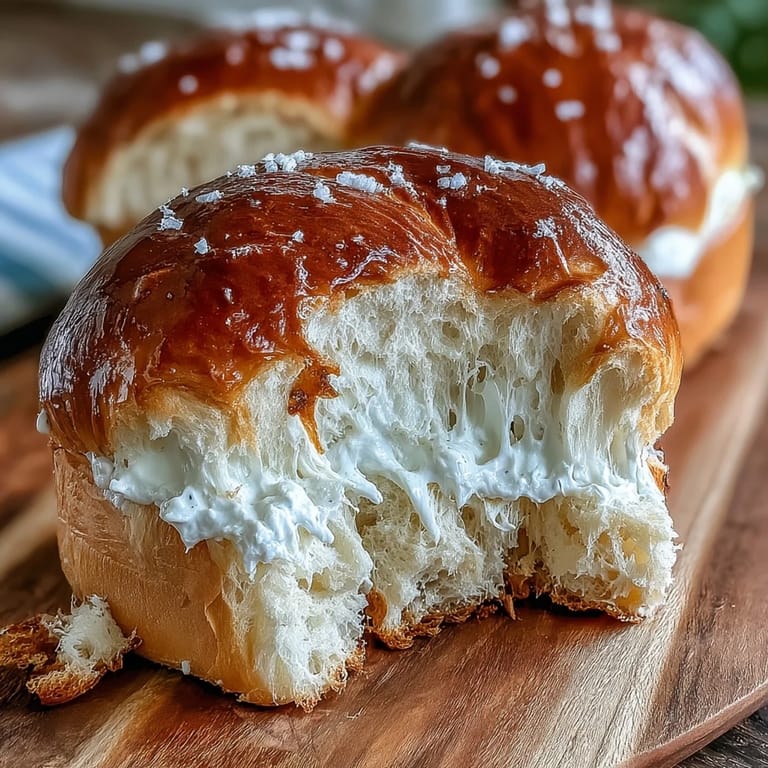
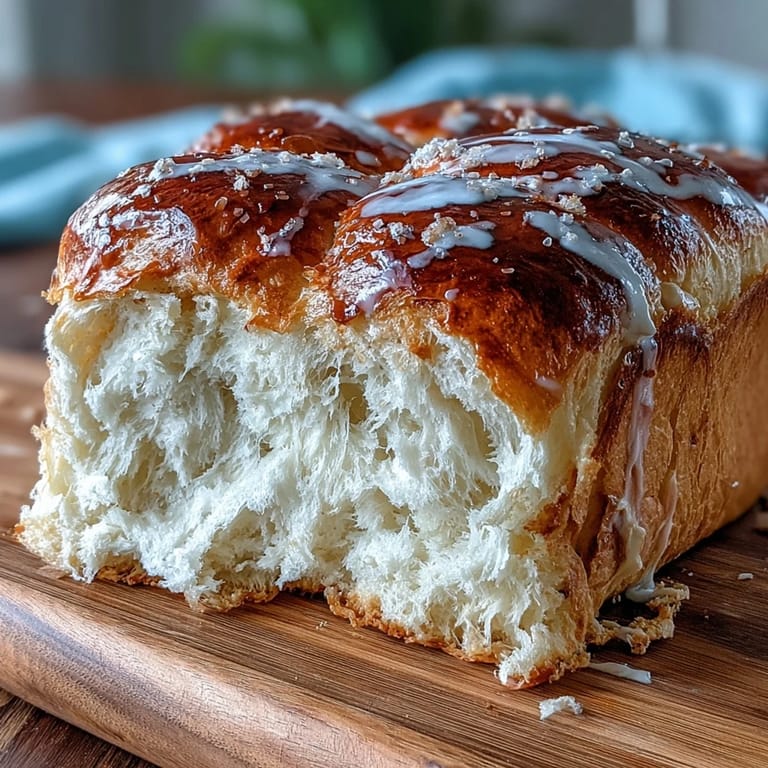
Save Few things conjure the sense of quiet satisfaction I get from baking Japanese Milk Bread on a chilly afternoon. There’s a calm that settles in the kitchen as the scent of sweet dough rises, and the warmth from the oven seems to soften even the sharpest moods. The Tangzhong method, though a bit of an extra step, is a kind of magic that transforms simple flour and milk into a pillowy loaf. The first time I tried it, the anticipation was almost thrilling—would it really be as lofty as promised? Watching the loaf crest its pan, golden and proud, I realized there’s something quietly triumphant about homemade bread.
One Sunday, laughter echoed from the living room as I kneaded dough in the kitchen, bits of flour dusting my sleeves. I called to my partner to come feel how velvety-smooth the dough was getting—there’s joy in the transformation, and in sharing it live, even before the loaf exists. When we finally pulled the bread from the oven, we couldn’t wait for it to cool, breaking off steaming ends and letting the butter melt in. That memory isn’t attached to any occasion, just an ordinary weekend rendered special by bread. Those are the kitchen moments I treasure most.
Ingredients
- Bread flour: High-protein content creates the signature stretchy, feathery crumb—don’t try to swap it for all-purpose for the real deal.
- Milk: Using whole milk brings creamy richness and a hint of sweetness—warmed just so, it helps everything blend together beautifully.
- Butter: Softened butter weaves richness through the loaf; adding it after a shaggy dough forms gives you that soft, pull-apart structure.
- Sugar: A small addition for a gentle sweetness and for helping the bread brown to that caramel top.
- Instant yeast: Reliable, quick, and fuss-free—you can add it right in with flour, no blooming needed.
- Salt: Brings humble balance, enhancing all the other flavors; be mindful not to let it touch the yeast directly at first.
- Egg: At room temperature, it enriches the dough, giving color and softness without making it heavy.
- Tangzhong (cooked flour paste): The star technique—this paste is what turns simple dough into a cloud; don’t rush its cooling step.
- Milk for brushing: Gives the finished loaf a glossy golden crown—spread lightly just before baking.
Tired of Takeout? 🥡
Get 10 meals you can make faster than delivery arrives. Seriously.
One email. No spam. Unsubscribe anytime.
Instructions
- Make the Tangzhong:
- Combine flour, water, and milk in a saucepan and whisk constantly over medium heat. In about three minutes, it will thicken into a soft paste—take it off the heat and let it cool until just warm before using.
- Start the Dough:
- In your largest mixing bowl, stir together bread flour, sugar, salt, and instant yeast. Add the cooled Tangzhong, lukewarm milk, and egg, then mix with a spoon or dough hook until you’ve got a shaggy, sticky mass.
- Knead and Enrich:
- Add softened butter and knead thoroughly—by hand or mixer—until your dough feels silky, elastic, and only slightly tacky, which can take up to 15 minutes.
- First Rise:
- Pop the dough into a greased bowl and cover it. Set it somewhere warm and cozy until it doubles in size, usually about an hour—it should feel pillowy to the touch.
- Shape the Loaf:
- Press down the dough to deflate, then divide it into three pieces. Roll each flat, fold in the sides, and roll up tight before lining them up seam-side down in a greased loaf pan.
- Second Rise:
- Let the shaped dough rest under a cloth until it nears the top edge of the pan—between 30 to 45 minutes, enough for one last, patient anticipation.
- Bake:
- Brush the top gently with milk, then bake in a 350°F (175°C) oven for about 30 minutes, or until gloriously golden and the loaf sounds hollow when tapped.
- Cool and Enjoy:
- Allow the bread to rest in its pan for 10 minutes, then turn it onto a rack to cool completely before slicing—if you can resist.
 Save
Save  Save
Save There was an evening when, after sharing this bread still warm, my little kitchen disappeared and it felt like we were somewhere else entirely—a five-star bakery, perhaps, or back in a childhood memory. The sense of accomplishment and connection lingered longer than the last bite, and I realized homemade bread can make any setting feel extraordinary.
What Makes Tangzhong Special
Cooking a bit of flour with water and milk ahead of time hydrates the flour more than regular mixing ever could. That single step is what lifts Japanese Milk Bread above the rest, letting it stay soft, plush, and almost bouncy for days—no fussy preservatives needed.
Ways to Customize This Loaf
Once you’ve nailed the base recipe, tweaking is irresistible. A spoonful of vanilla or a little heavy cream can take things in a luxurious direction, and occasionally I’ll scatter a touch of black sesame or shredded cheese over the top for a twist. This dough is forgiving and happy to adapt to what you love most—don’t be afraid to play around.
Making Bread Days Even Better
Some days, baking feels like an act of care—both for yourself and anyone lucky enough to share a slice. Sneaking the heel of the loaf warm from the oven is a kitchen ritual worth keeping, and the slow rhythm of breadmaking fits perfectly into a relaxed weekend routine.
- Cover leftovers tightly to keep them from drying out.
- You can toast slices even if they’re a couple days old—they’ll still taste freshly made.
- Never underestimate how happy a thick cut with soft butter can make someone.
 Save
Save 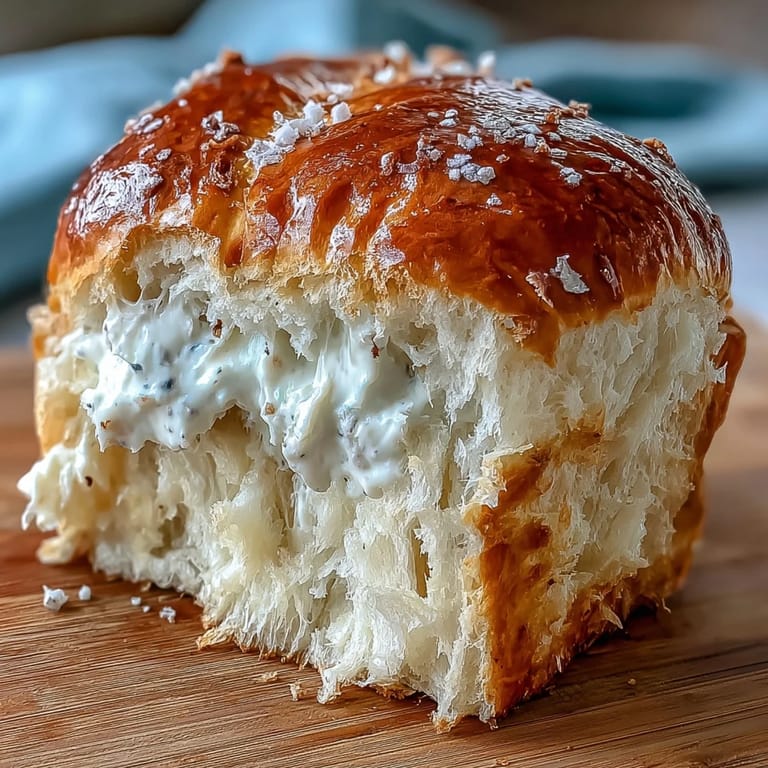 Save
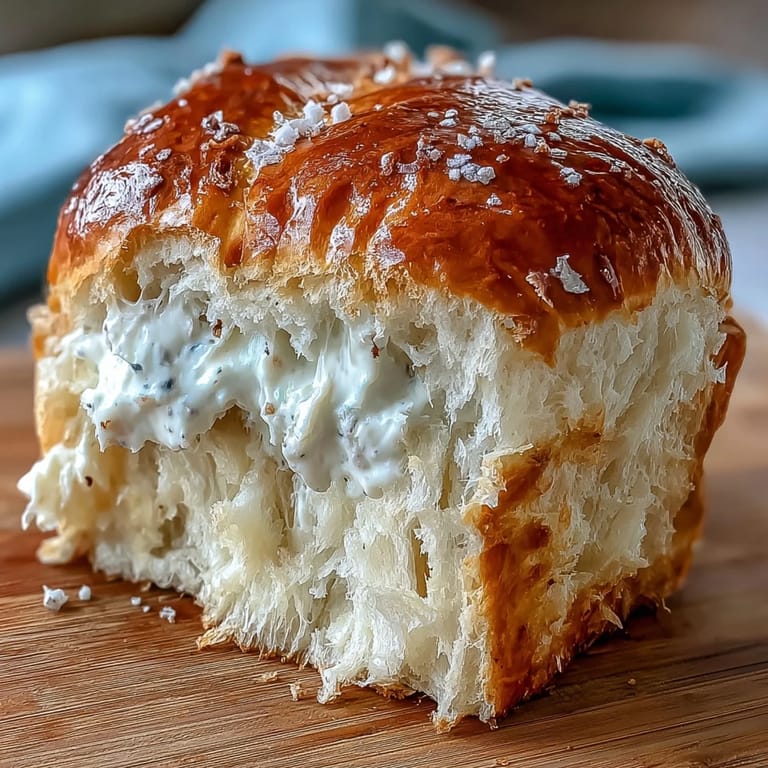
Save Homemade Japanese Milk Bread transforms any meal into something memorable, whether you’re making a fancy sandwich or just enjoying toast in your pajamas. Share it, gift it, or hoard it—there’s no wrong way to enjoy that homemade cloud.
Recipe FAQs
- → What does the Tangzhong do?
Tangzhong is a cooked flour-and-liquid starter that gelatinizes starches, helping the crumb retain moisture. It yields a softer, finer-textured loaf that stays fresh longer.
- → Can I swap whole milk for a substitute?
Use a mix of milk and water for a lighter crumb, or replace part of the milk with heavy cream for extra richness and softness. Non-dairy milks will alter texture slightly.
- → How do I know when the dough is kneaded enough?
The dough should become smooth, elastic, and slightly tacky but not sticky. Perform the windowpane test: stretch a small piece until thin without tearing to confirm gluten development.
- → What are ideal rising conditions?
Keep the dough in a warm, draft-free spot around 75–85°F (24–29°C). First rise takes about an hour until doubled; second rise should nearly reach the top of the pan, roughly 30–45 minutes.
- → How should I store the loaf to maintain softness?
Cool completely, then store in an airtight container or wrap tightly in plastic at room temperature. For longer storage, slice and freeze; thaw slices and toast or warm gently.
- → Any tips for a glossy top?
Brush the loaf with milk before baking for a subtle sheen. For a deeper gloss, use an egg wash (beaten egg with a splash of water) but that will slightly change color and finish.