 Save
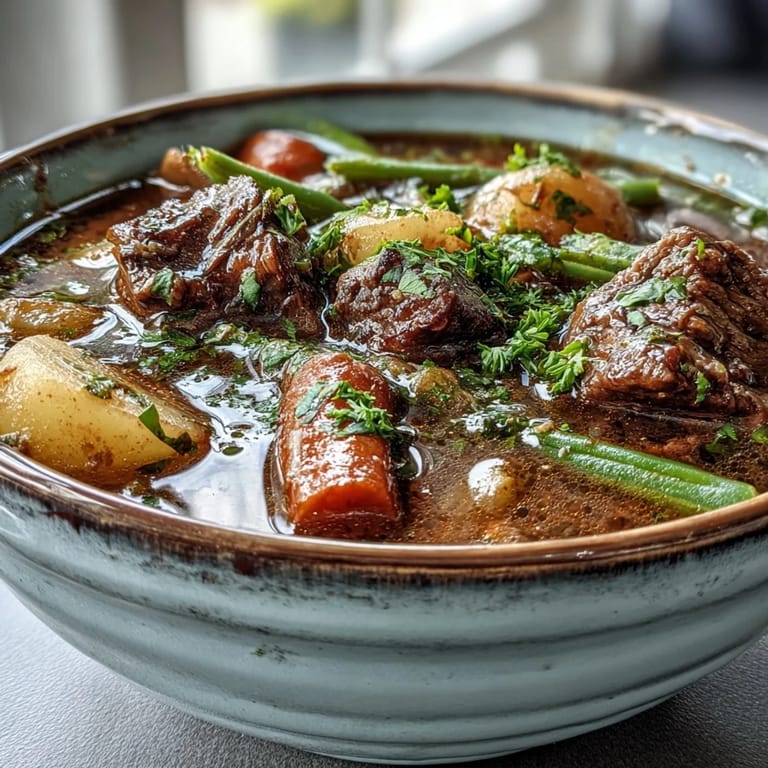
Save The morning's first frost left icy patterns on my kitchen window as I pulled out my grandmother's Dutch oven for beef soup. There's something deeply satisfying about watching simple ingredients transform into something magnificent as they simmer. This beef and vegetable soup became my winter sanctuary years ago during a particularly brutal January when the power went out, but our gas stove still worked. Huddled around steaming bowls, my family forgot our modern inconveniences while savoring each spoonful.
Last winter, my neighbor broke her ankle slipping on ice, and I remember carrying over a container of this soup. Her husband called later that evening saying it was the first time shed smiled all day. We laughed when he admitted hed eaten two bowls before she even had a chance at seconds. Now whenever I make this soup, I always make extra for unexpected moments that need a bit of comfort.
Ingredients
- Beef chuck: The magic happens when these tough cubes transform into tender morsels after slow simmering, releasing collagen that enriches the entire broth.
- Root vegetables: I learned from a chef friend that cutting carrots, potatoes and parsnips roughly the same size ensures they cook evenly and finish at the same time.
- Fresh herbs: The parsley at the end isnt just pretty green confetti, its brightness cuts through the richness and wakes up all the flavors that have been melding together.
- Beef broth: I once tried making this with water instead of broth during a pantry emergency and regretted it immediately, those concentrated savory notes are absolutely essential.
Tired of Takeout? 🥡
Get 10 meals you can make faster than delivery arrives. Seriously.
One email. No spam. Unsubscribe anytime.
Instructions
- Brown the beef properly:
- Patience pays dividends here as you let each chunk develop a deep brown crust before stirring. Youll hear a satisfying sizzle as the meat hits the hot oil, releasing those magical caramelized flavors that form the backbone of our soup.
- Build the flavor base:
- When those vegetables hit the pot where the beef was browned, scrape up all those browned bits stuck to the bottom with your wooden spoon. Those little caramelized treasures dissolve into your soup, creating layers of flavor that make people ask for your secret ingredient.
- The long simmer:
- As steam rises and windows fog, let everything bubble gently for that full hour and fifteen minutes. This isnt just about cooking, its about transformation as the beef surrenders its toughness and the vegetables release their essence into the broth.
- Final touches:
- Adding those bright green peas at the end preserves their color and texture against the deeper, earthier elements. Watch how they pop visually against the rich background of the soup, a promise of freshness in each spoonful.
 Save
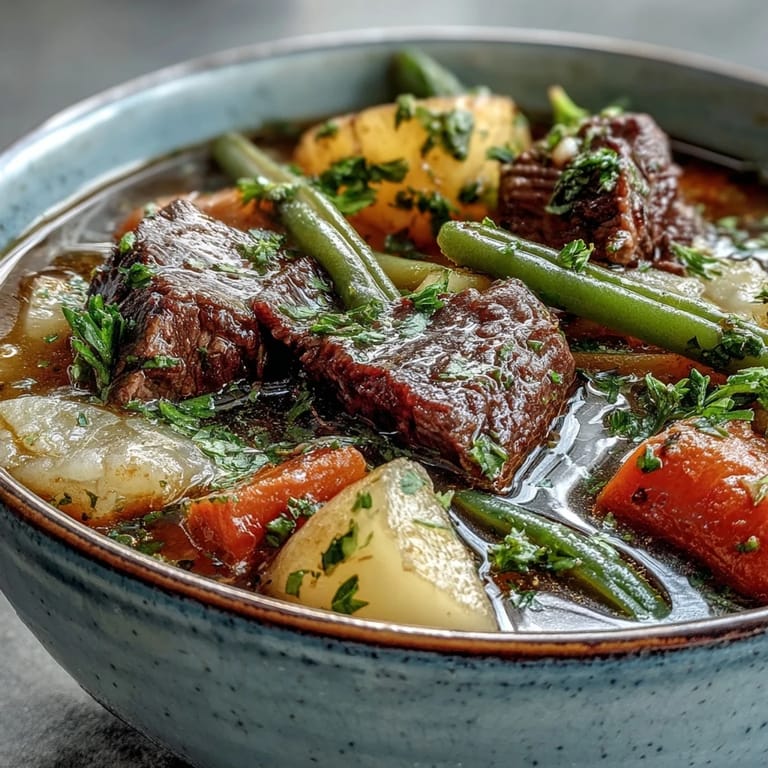
Save One snowy evening, I brought a pot of this soup to our neighborhood potluck, setting it down among fancy appetizers and elaborate casseroles. I watched as people kept returning to the soup, dipping chunks of bread into their bowls and closing their eyes with each spoonful. An elderly gentleman who rarely spoke at these gatherings approached me later, eyes bright, to share how it reminded him of his mothers cooking during wartime in Europe. Food memories run deep, especially with something as elemental as beef soup.
Make-Ahead Magic
The remarkable thing about this soup is how it improves overnight in the refrigerator. The flavors meld and deepen as if the ingredients are still conversing with each other in the darkness of your refrigerator. I often make a double batch specifically so we can experience this transformation, with the second-day servings always prompting more appreciation than the first. Something about time allows the herbs to fully release their essence while the beef continues to tenderize even after the heat is gone.
Seasonal Adaptations
During summer months when root vegetables arent at their prime, I switch to seasonal garden bounty like zucchini, yellow squash, or fresh corn kernels. These lighter vegetables transform this into something almost different but equally satisfying. Autumn brings opportunities for butternut squash or sweet potatoes, creating a slightly sweeter profile that pairs beautifully with the savory beef. Each season writes its own version of this recipe in my kitchen, marking time through flavors rather than dates.
Serving Suggestions
The way you serve this soup can elevate it from comforting to memorable. I keep a small jar of good olive oil with a few sprigs of fresh herbs infusing it specifically for drizzling over bowls right before serving, creating aromatic magic as it hits the hot soup.
- For rustic charm, serve in wide, shallow bowls with a slice of crusty sourdough balanced half in the soup and half hanging over the edge.
- A small dish of flaky sea salt and freshly cracked pepper allows each person to make final adjustments to their individual bowl.
- Prepare extra chopped herbs in a small bowl alongside the soup pot so everyone can add their preferred amount of freshness.
 Save
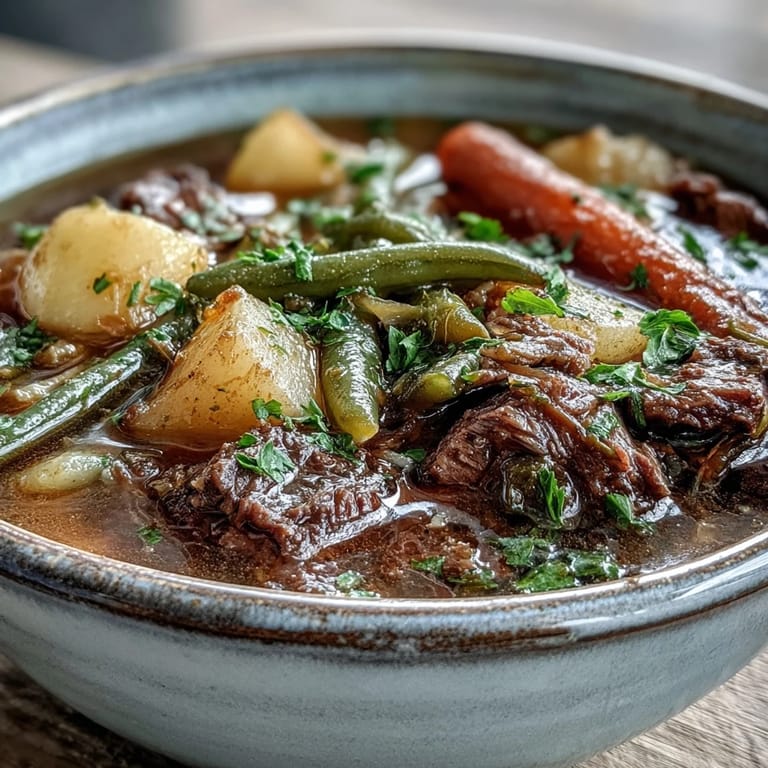
Save This soup has taught me that true nourishment goes beyond ingredients or nutrition facts. Its about creating moments where people feel cared for, where conversation flows easily over steaming bowls, and where memories are made one spoonful at a time.
Recipe FAQs
- → How long does it take to make this soup?
The total time is about 2 hours and 10 minutes, including 25 minutes of prep and 1 hour 45 minutes of active cooking time. Most of that is hands-off simmering.
- → Can I freeze this soup?
Yes, this soup freezes well for up to 3 months. Cool completely before transferring to freezer-safe containers. Thaw overnight in the refrigerator before reheating.
- → What cut of beef works best?
Beef chuck is ideal because it becomes tender during long simmering. You can also use stew meat or round, but chuck offers the best flavor and texture for this type of preparation.
- → Can I make this in a slow cooker?
Absolutely. Brown the beef first, then add all ingredients to your slow cooker. Cook on low for 7-8 hours or on high for 4-5 hours until the beef is tender. Add peas during the last 30 minutes.
- → What vegetables can I substitute?
Feel free to swap sweet potatoes, turnips, or rutabaga for the potatoes. Other good additions include leeks, diced tomatoes with green chilies for extra depth, or spinach stirred in at the end.
- → How should I store leftovers?
Refrigerate in an airtight container for up to 4 days. The flavors often taste even better the next day as the ingredients continue to meld together. Reheat gently on the stovetop.