 Save
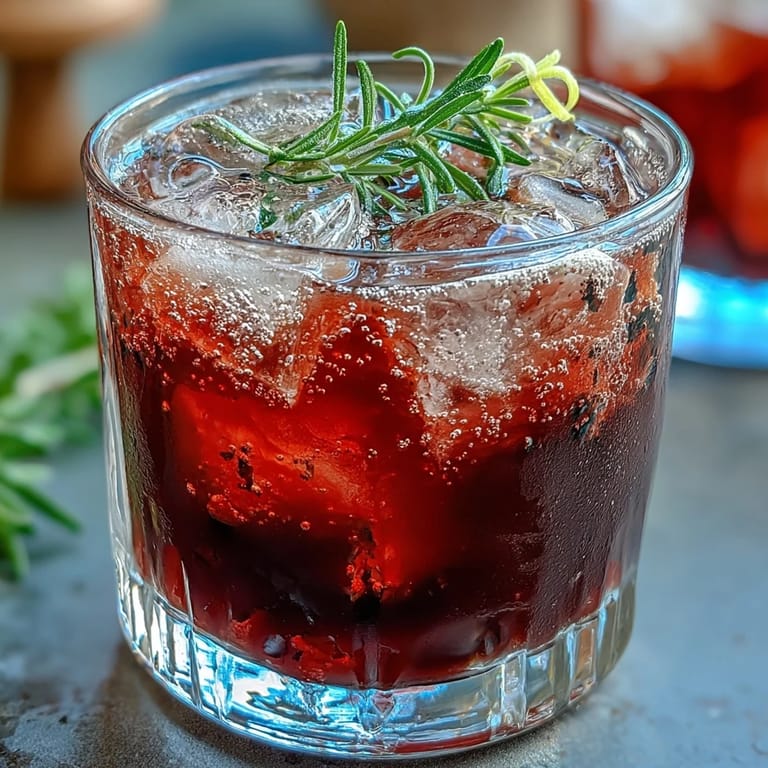
Save Last winter, a friend brought a bottle of crème de cassis to my apartment, and I was immediately taken by its deep ruby color and that tart, almost mysterious flavor. We'd been experimenting with bourbon cocktails all season, but something about the black currant kept calling me back to the shaker. The rosemary sprig was a late addition, honestly a lucky accident when I grabbed it from the kitchen counter thinking about a different drink entirely. That first sip changed everything—suddenly I had a cocktail that felt both elegant and deeply comforting, like autumn decided to shake hands with winter.
I made this for my neighbor one snowy evening after she'd mentioned missing cocktail bars, and watching her eyes light up when she caught that first herbal note from the rosemary was the kind of small kitchen magic that reminds you why you bother with the shaker in the first place. She asked for the recipe immediately, and now whenever I see her, she tells me she's made it at least a dozen times. That's when I knew this wasn't just a drink I'd stumbled into—it was something worth sharing.
Ingredients
- Barrel-aged bourbon (2 oz): The oak aging gives this spirit a smooth complexity that grounds the brightness of the black currant, so don't reach for anything too young or thin here.
- Black currant liqueur (1 oz): Crème de cassis is the classic choice, and that particular tartness is irreplaceable—it's what makes this cocktail feel grown-up and purposeful.
- Freshly squeezed lemon juice (0.75 oz): Fresh juice matters more than you might think; bottled loses that punchy acidity that keeps everything balanced.
- Simple syrup (0.5 oz): A touch of sweetness to marry the tart and the spirit, nothing more.
- Rosemary sprig (1 small, plus garnish): The secret weapon that transforms this from a good drink into something people remember; the essential oils released by clapping are what make the whole thing sing.
- Ice cubes: Use the clearest ice you can—it's a small detail that says you care.
- Black currants or lemon twist (for garnish): A visual flourish that whispers what's inside before you even taste it.
Tired of Takeout? 🥡
Get 10 meals you can make faster than delivery arrives. Seriously.
One email. No spam. Unsubscribe anytime.
Instructions
- Wake up the rosemary:
- Hold the sprig between your palms and clap gently—you'll feel the oils release and suddenly smell like a garden. That's your signal you're doing it right.
- Build the cocktail:
- Drop the rosemary into your shaker, then measure and pour the bourbon, black currant liqueur, lemon juice, and simple syrup in order. Everything should smell like an interesting secret at this point.
- Shake with intention:
- Fill the shaker with ice and shake hard for a solid fifteen seconds—the cold and vigorous movement will marry these flavors and chill everything properly. You should hear the ice rattle against the metal like a small percussion moment.
- Strain carefully:
- Double strain into a rocks glass filled with fresh ice to remove any rosemary fragments or ice shards, leaving behind just pure, clean cocktail. The double strain is the difference between rough and refined.
- Finish with flourish:
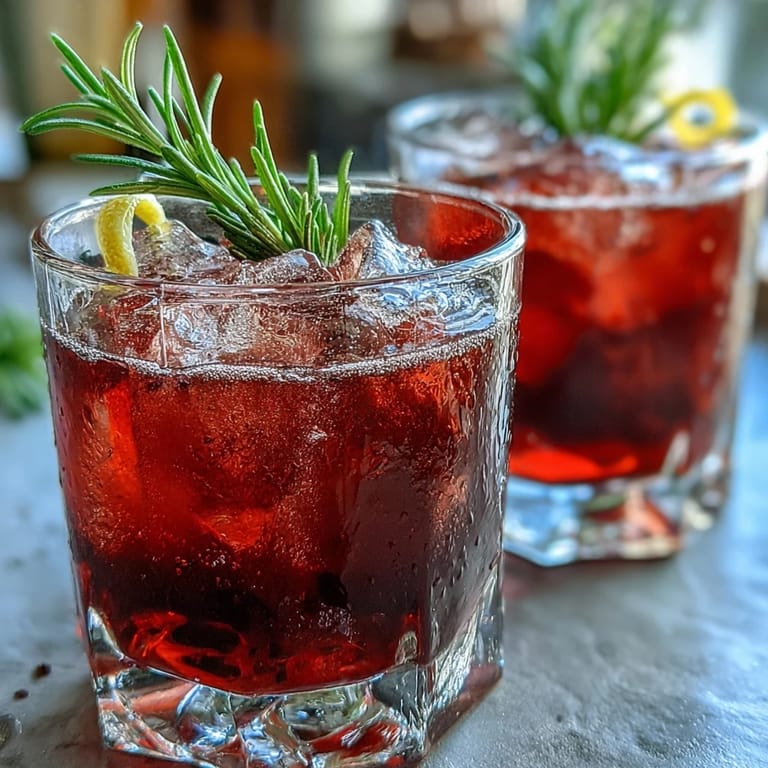
- Lay a fresh rosemary sprig across the top and add black currants or a lemon twist if you're feeling it. Step back and admire—you've just created something people will ask about.
 Save
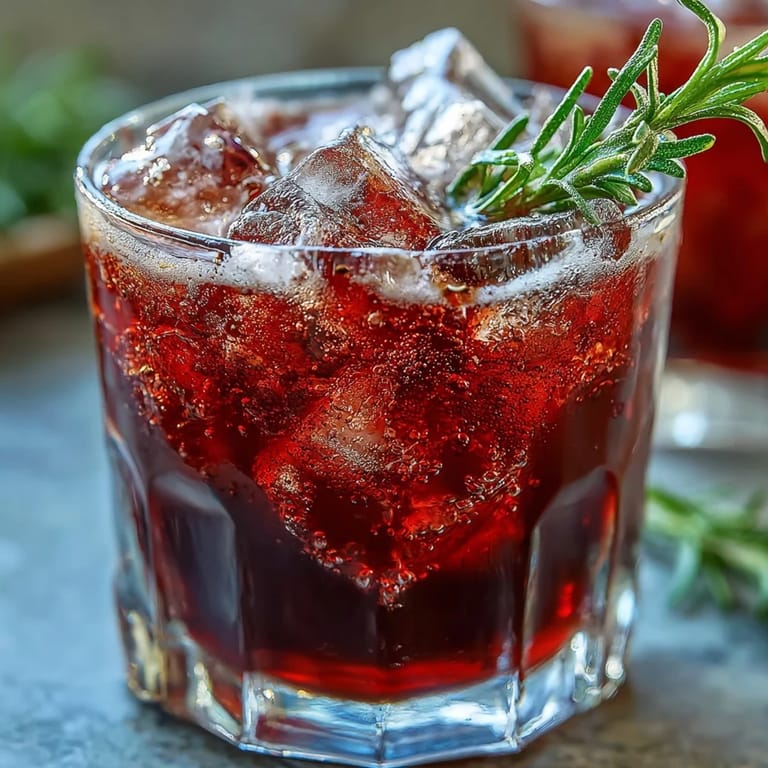
Save There's a moment in winter, usually around four in the afternoon when the light starts getting thin and the day feels like it's already defeated itself, when holding a cocktail like this in your hands becomes a small act of defiance. The warmth of the bourbon, the tartness of the currant, and that herbal whisper of rosemary together are like a conversation with yourself about why taste and care matter even on the smallest scale.
When Black Currant Becomes Your Secret Language
Black currant is one of those ingredients that doesn't get its due respect—it sits in liqueur bottles looking mysterious and expensive, when really it's just deeply, genuinely delicious. The first time I tasted it unmasked, I understood why French bartenders have been using crème de cassis for a century. It's tart without being harsh, dark without being heavy, and it plays beautifully with spirits that have seen some time in oak. Once you realize what it can do, you start reaching for it in unexpected ways.
Rosemary, the Quiet Amplifier
People always want to know if they can swap the rosemary for something else, and my honest answer is yes, you can, but why would you? Thyme would be earthier, sage would be heavier, lavender would push toward floral—but rosemary is the Goldilocks choice, adding aromatics without overwhelming anything. The moment you clap it and smell that distinctive piney warmth, you understand why it's been treasured in kitchens and bars for centuries. It's not just decoration; it's an instruction to your palate about what comes next.
Building Blocks of Balance
This cocktail works because it respects proportions—the bourbon gives body, the liqueur gives character, the lemon gives brightness, and the rosemary gives intrigue. Too much of any single element and the whole thing tips toward becoming something else entirely. It's why I measure everything and don't eyeball, even after making this dozens of times. The five-minute window from bottle to glass gives you just enough time to feel like you've created something without the fuss of cooking.
- Try making a batch simple syrup infused with rosemary if you're making these for a group—dissolve equal parts sugar and water over heat, add a few sprigs, cool, strain, and you've just elevated the whole experience.
- If black currant liqueur genuinely isn't available where you are, homemade black currant syrup made from frozen berries, sugar, and water works beautifully, though you'll want to use a touch less since it lacks the alcohol base.
- Serve this in a proper rocks glass chilled in the freezer beforehand—it's a small gesture that keeps everything cold and tastes noticeably better than room temperature glassware.
 Save
Save This cocktail is for moments when you want to slow down and actually taste something, when five minutes of intention feels like the right amount of time. Make it for yourself on a quiet afternoon, or make it for someone you want to impress—either way, you'll find yourself coming back to it.
Recipe FAQs
- → What does black currant liqueur taste like?
Black currant liqueur, often called crème de cassis, delivers a deep tart-sweet flavor profile with dark berry notes and subtle earthiness. It adds rich color and complex fruit flavor that balances beautifully against bourbon's warmth.
- → Why clap the rosemary sprig?
Clapping the rosemary between your hands releases the herb's essential oils, amplifying its fragrant aroma and flavor. This gentle bruising technique infuses the cocktail with pronounced rosemary notes without making the taste overly herbal or bitter.
- → Can I make this without black currant liqueur?
Yes, you can substitute with homemade black currant syrup, blackberry liqueur, or even pomegranate juice. The flavor profile will shift slightly, but you'll still achieve that tart dark fruit element that makes this drink distinctive.
- → What's the best bourbon to use?
A barrel-aged bourbon with moderate proof works beautifully. Look for bourbon aged 4-6 years with vanilla and caramel notes. The barrel aging provides complementary oak flavors that harmonize with the rosemary and black currant.
- → Should I shake or stir this cocktail?
Shake this drink vigorously for 15 seconds. The shaking chills the bourbon, dilutes it slightly, aerates the citrus, and fully incorporates the rosemary oils. Straining twice ensures you catch any rosemary needles or ice shards for a smooth finish.
- → How can I adjust the sweetness?
Start with 0.5 oz simple syrup and taste before straining. Add more if you prefer a sweeter drink, or reduce it to emphasize the tart currant and bourbon. You can also skip the syrup entirely if using a sweeter bourbon.